却死在了自己人的刀枪之下
“he would die by the weapons of his own people.”
THE DIALOGUE REEL
没能死在战场之上
“that instead of dying on the battlefield,”
却死在了 自己人 的刀枪之下
“he would die by the weapons of his own people.”
“I'll arrest that beast Pang Fuliang right now to honor General Zhenwu's memory!”
“Dying in battle is an honor, but being slaughtered by our own people is an intolerable humiliation that demands vengeance.”
In traditional Chinese warrior ethos, dying on the battlefield (战死沙场) is viewed as the ultimate honor, whereas dying from internal betrayal (死于内讧) is seen as a supreme tragedy and indignity.
LEARNING CHUNKS & PARTICLES
one of us; insiders; one's own people
Widely used in both spoken and written Chinese to refer to members of the same group, faction, or family.
under the blades and spears; by the weapons of
A literary or dramatic set phrase describing violent death or suffering caused by armed conflict.
VOCABULARY & EXPRESSIONS
Parallel Spoken Cinema Scenes (语义近邻切片)
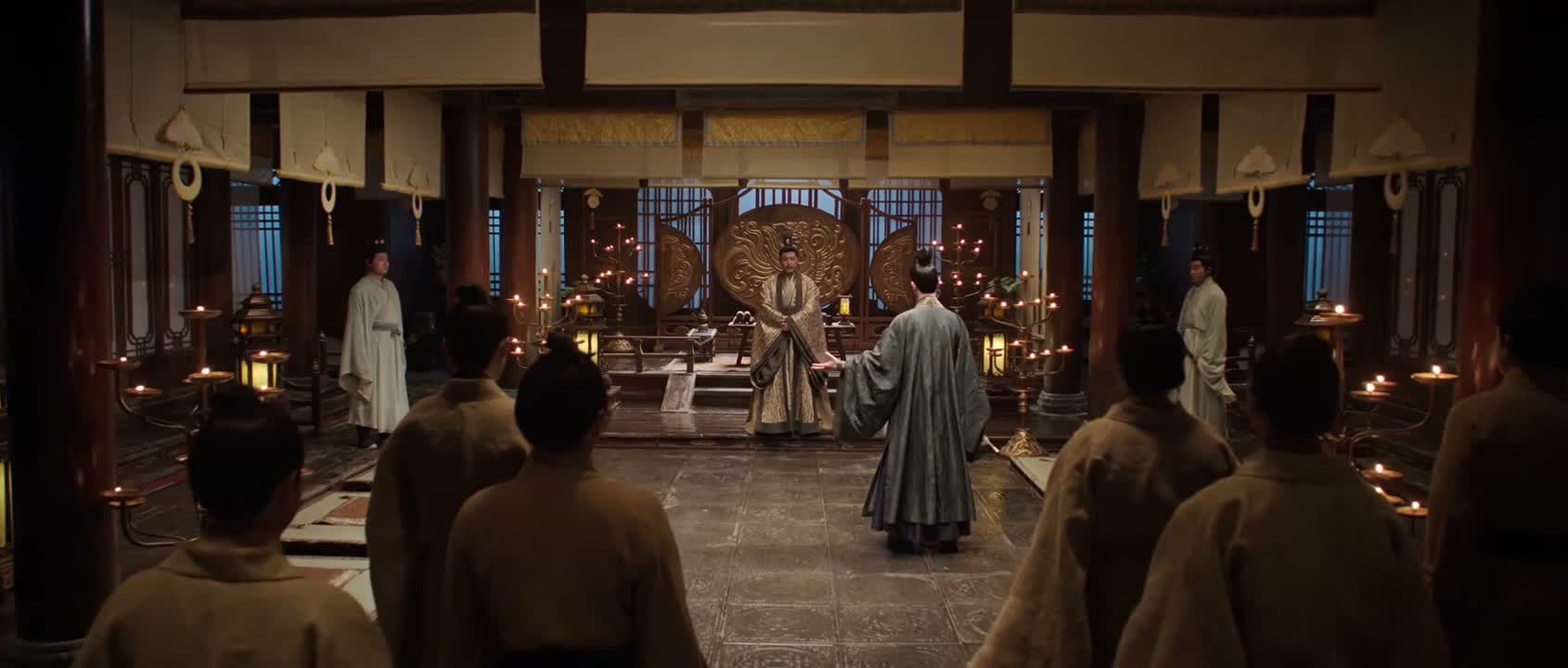
“he'd die at the hands of his mates?”

“But someone on your own side will. You're wrong.”
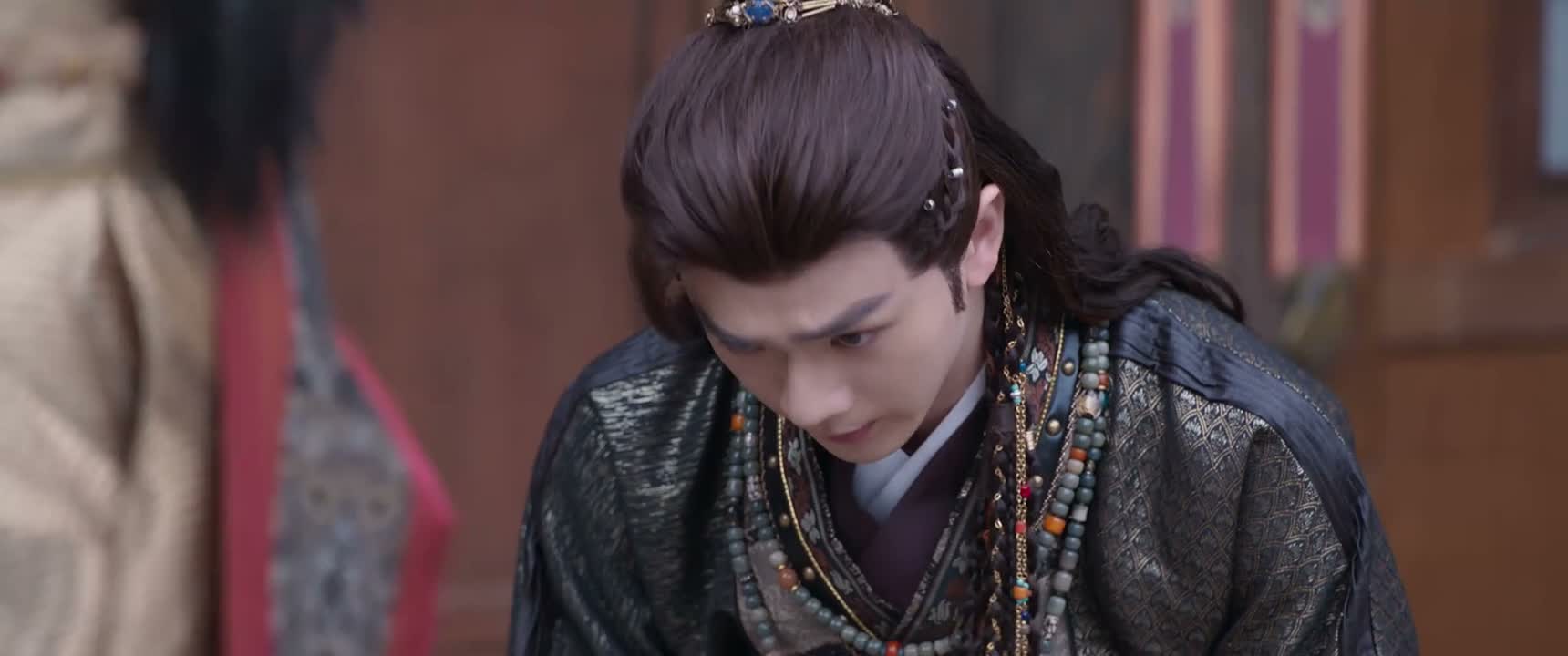
“yet we're already falling out with each other.”