是想被上一任太后比下去吗
“want to be outshone by the previous Empress Dowager?”
THE DIALOGUE REEL
难道
“Do you”
是想被上一任太后 比下去 吗
“want to be outshone by the previous Empress Dowager?”
“Are you really going to let your predecessor look stronger and more capable than you?”
Palace figures were intensely conscious of historical standing and public face; being seen as inferior to a rival or predecessor was an unbearable loss of face.
LEARNING CHUNKS & PARTICLES
to be outdone / to be overshadowed
A very common colloquial directional complement structure used to express losing in a competitive comparison.
predecessor / previous term
Widely used for previous officeholders, leaders, or even romantic ex-partners in modern slang.
Forms a sharp rhetorical question meant to provoke rather than elicit simple confirmation.
VOCABULARY & EXPRESSIONS
Parallel Spoken Cinema Scenes (语义近邻切片)
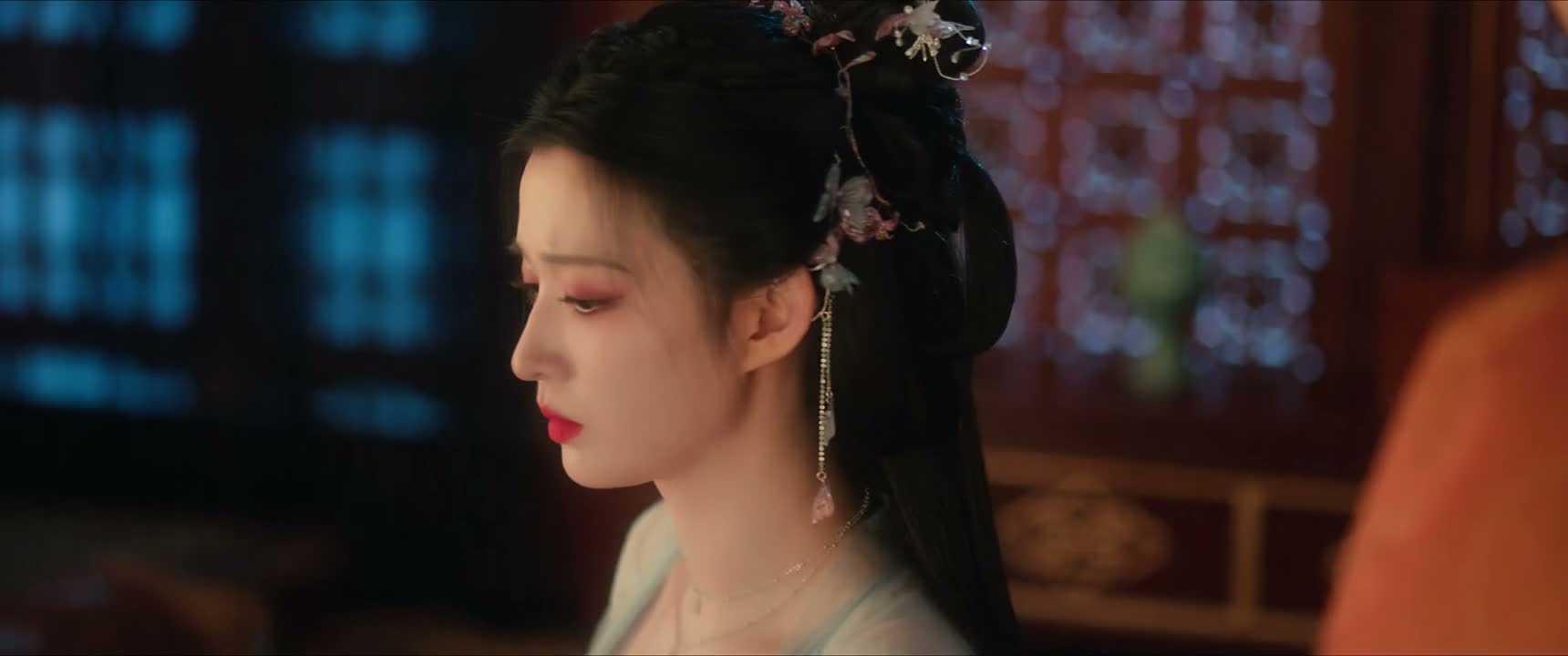
“Is it the Empress Dowager who opposes it,”

“but she is still the mighty Empress Dowager,”
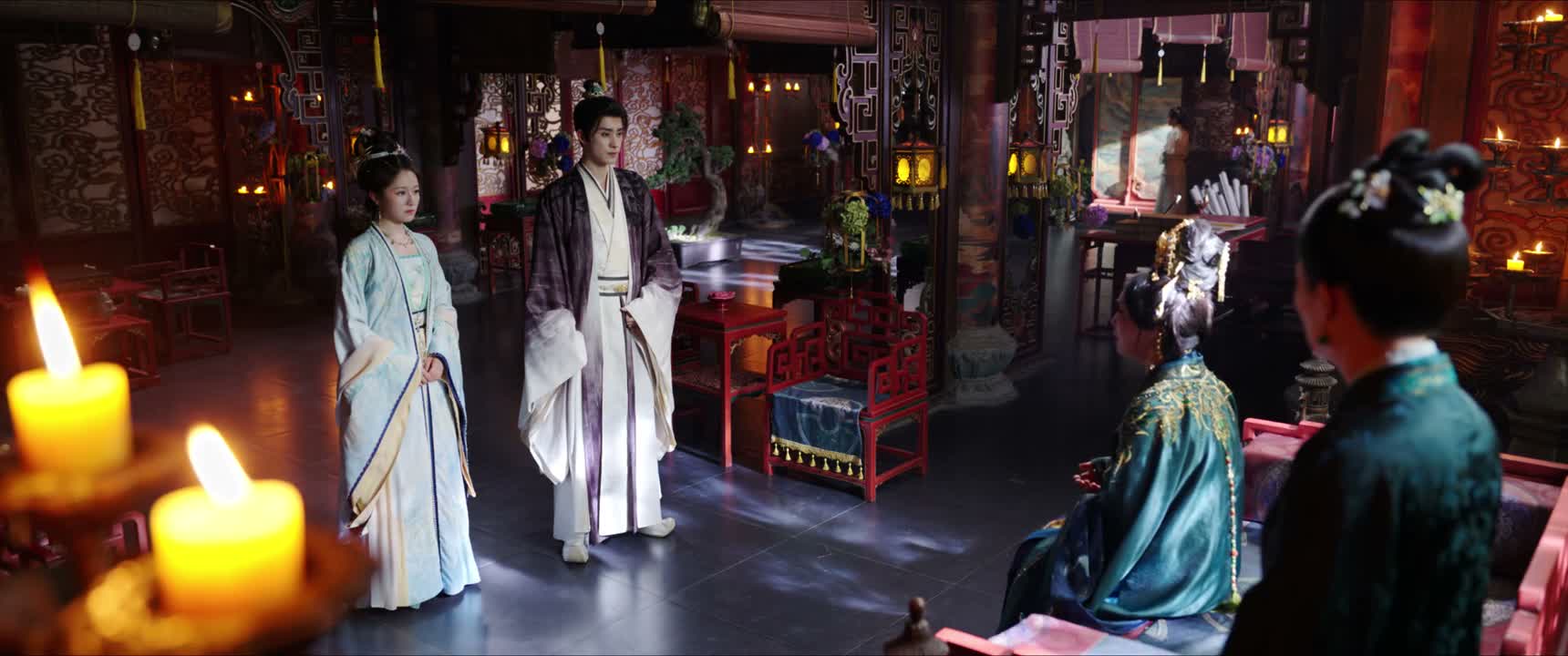
“but also the Empress Dowager of our country.”
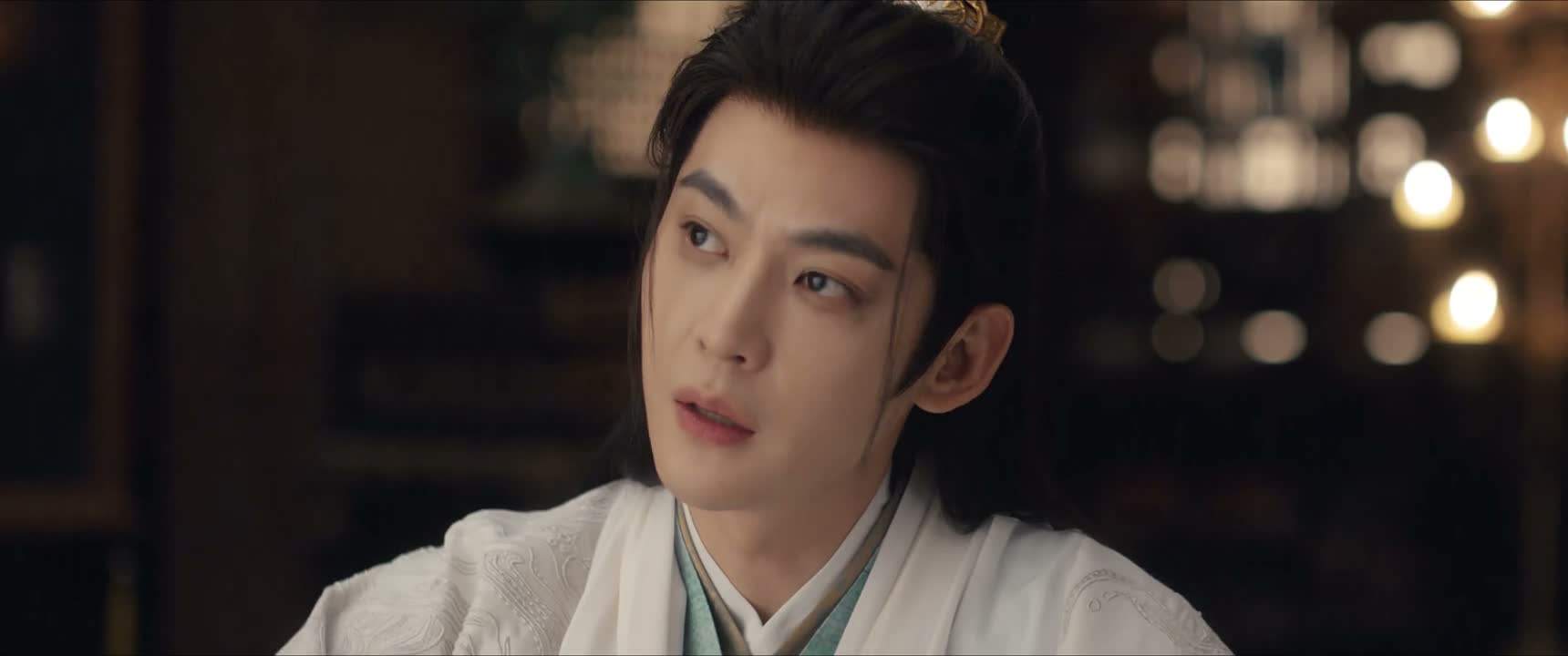
“wanting to challenge the Empress Dowager.”

“It seems the Empress Dowager means to make an example of him.”
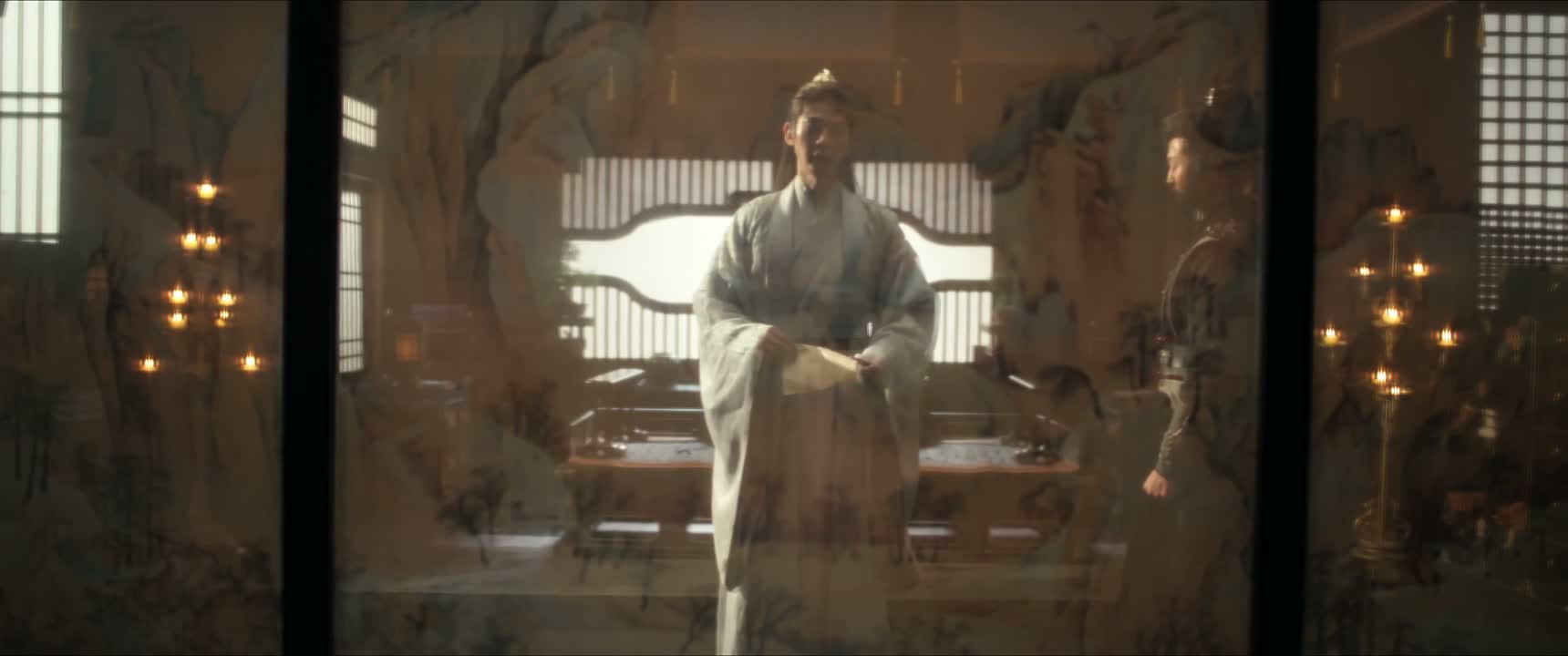
“Let the Empress Dowager and Emperor fight it out.”