MC
MandarinClips Cinema Corpus
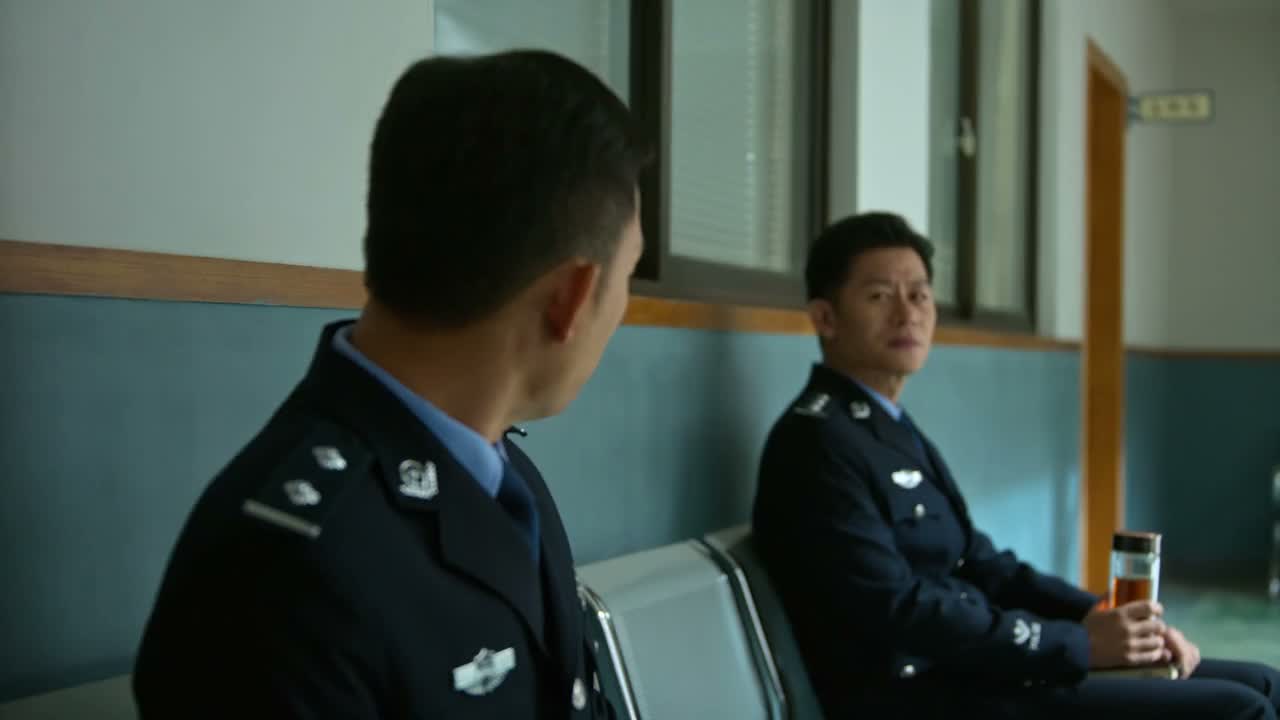
《How Dare You!?》 S1·E10 (14:57) HSK 5
zěn me cái néng zhī dào tā yuàn bù yuàn yì a

怎么才能知道它愿不愿意啊

“how you know whether it's willing or not?”

《How Dare You!?》 S1·E10
TIMECODE: 14:57 · 1080P MASTER AUDIO

THE DIALOGUE REEL

1+1+1 SPOKEN CONTINUITY
[-1] PREVIOUS TURN gū niáng kě shuō shuō

姑娘可说说

“Miss, can you tell me”

zěn me cái néng zhī dào tā yuàn bù yuàn yì a CURRENT FOCUS

怎么才能知道 它 愿不愿意 啊

“how you know whether it's willing or not?”

[+1] FOLLOW-UP TURN fǎn zhèng wǒ jiù shì jué de

反正我就是觉得

“I just feel”

Subtitles synced to millisecond timecode Browse Show Clips →
Scene: Social & Dating
Function: SEEKING ADVICE
Tone: INQUISITIVE
Emotion: CONFUSION
WHAT THEY REALLY MEAN (PRAGMATIC SUBTEXT)

Direct spoken expression in this communicative setting.

💡 Cultural Insight: Affirmative-Negative Construction

Using paired verbs like '愿不愿意' is the quintessential Chinese method to pose an open, unbiased inquiry about preference or consent.

INTENT TAGS: #inquiry #consultation #uncertainty #clarification
🧩

LEARNING CHUNKS & PARTICLES

2 CHUNKS · 1 PARTICLES
怎么才能 SPOKEN CHUNK

how can one... / what is the way to...

Used to ask for practical methods or solutions to achieve a particular goal.

愿不愿意 SPOKEN CHUNK

whether (someone is) willing or not

Affirmative-negative question structure used to express uncertainty regarding consent.

Modal Particle「啊」 (a) CHANGE OF STATE

Softens the inquiry, making the question sound more approachable and genuine.
🏮

VOCABULARY & EXPRESSIONS

2 EXPR · 1 GRAMMAR
CROSS-CINEMA CORPUS BOARD · PARALLEL SCENES

Parallel Spoken Cinema Scenes (语义近邻切片)

EXPLORE BY SEMANTIC SIMILARITY
《How Dare You!?》 S1·E10 (14:57) · Authentic Cinema Dialogue Corpus