MC
MandarinClips Cinema Corpus
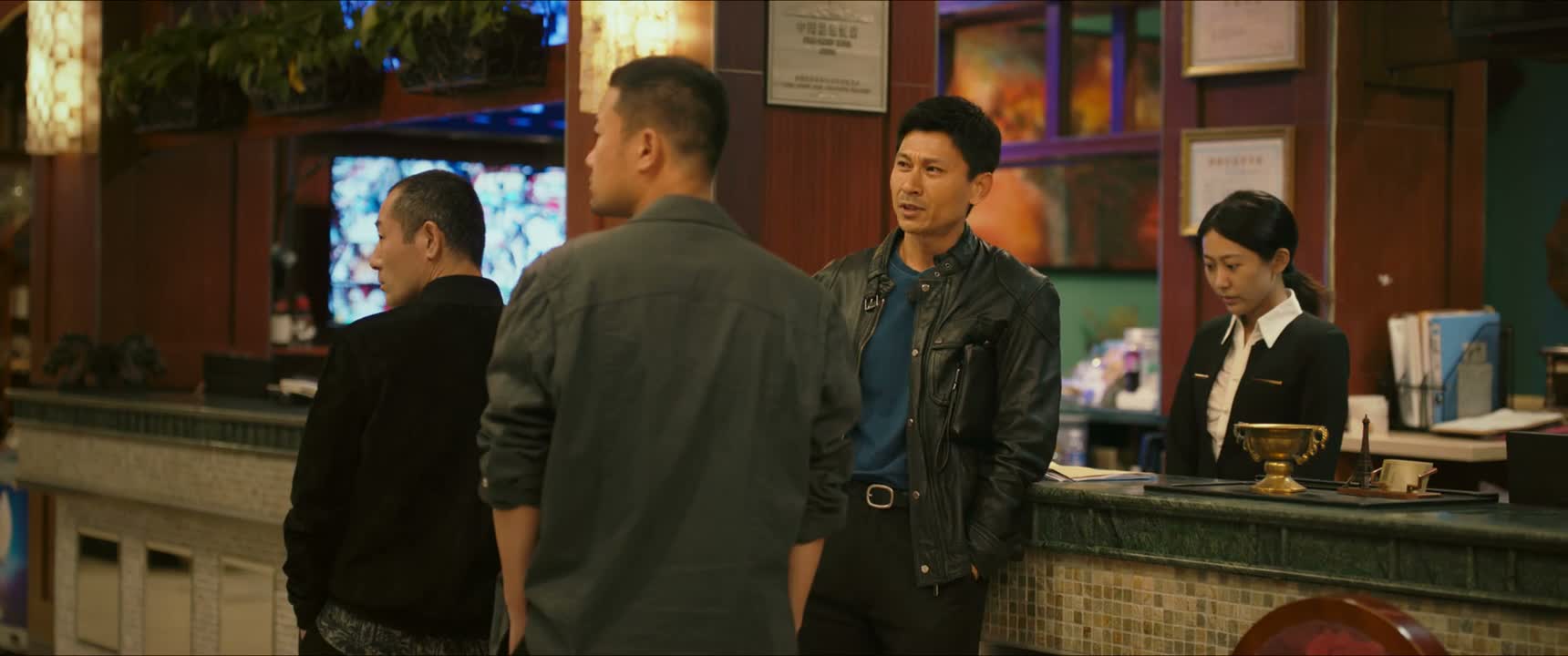
《The Dark Romance》 S1·E3 (23:57) HSK 2
pǎo nǎ qù le zhè jǐ tiān méi jiàn zhe rén

跑哪去了 这几天没见着人

“Where have you gone? I haven't seen you for days.”

《The Dark Romance》 S1·E3
TIMECODE: 23:57 · 1080P MASTER AUDIO

THE DIALOGUE REEL

1+1+1 SPOKEN CONTINUITY
[-1] PREVIOUS TURN wēi gē

巍哥

“[Police] Wei.”

pǎo nǎ qù le zhè jǐ tiān méi jiàn zhe rén CURRENT FOCUS

跑哪去了 这几天 没见 着人

“Where have you gone? I haven't seen you for days.”

[+1] FOLLOW-UP TURN wǒ chū wài qín ne

我出外勤呢

“I've been on field duty.”

Subtitles synced to millisecond timecode Browse Show Clips →
Scene: Workplace
Function: INQUIRING WHEREABOUTS
Tone: CASUAL
Emotion: CURIOSITY
WHAT THEY REALLY MEAN (PRAGMATIC SUBTEXT)

Direct spoken expression in this communicative setting.

💡 Cultural Insight: Casual Workplace Rapport

Colleagues with close working relationships often ask about absences with affectionate, blunt phrasing like '跑哪去了' rather than formal inquiries.

INTENT TAGS: #inquiry #casual_greeting #workplace_banter #checking_in
🧩

LEARNING CHUNKS & PARTICLES

2 CHUNKS · 1 PARTICLES
跑哪去了 SPOKEN CHUNK

where did (you) run off to

A highly colloquial way to ask someone where they went when you haven't seen them around.

见着人 SPOKEN CHUNK

to catch sight of someone

Commonly used in negative sentences like '没见着人' to express not seeing someone around.

Modal Particle「了」 (le) CHANGE OF STATE

Marks a completed change of state, indicating the action of disappearing or going somewhere has already occurred.

🏮

VOCABULARY & EXPRESSIONS

2 EXPR · 0 GRAMMAR
CROSS-CINEMA CORPUS BOARD · PARALLEL SCENES

Parallel Spoken Cinema Scenes (语义近邻切片)

EXPLORE BY SEMANTIC SIMILARITY
《The Dark Romance》 S1·E3 (23:57) · Authentic Cinema Dialogue Corpus