其实一个人也挺好的
“being alone is actually quite nice.”
THE DIALOGUE REEL
有的时候
“Sometimes,”
其实 一个人也挺好的
“being alone is actually quite nice.”
“As long as one is healthy and happy.”
“I don't need a relationship to validate my happiness; I am doing fine on my own.”
In contemporary Chinese society, remaining unmarried often invites subtle social or family inquiry, making self-justification through emotional independence a frequent conversational trope.
LEARNING CHUNKS & PARTICLES
actually / in fact
Commonly placed at the beginning of a clause to introduce a gentle counterpoint or personal realization.
being single / by oneself
A very common colloquial way to refer to living or being on one's own without a partner.
is actually quite good / pretty nice too
Used to express mild contentment or to suggest that an alternative situation is equally acceptable.
Affirms the descriptive evaluation and softens the assertion, lending an introspective mood.
VOCABULARY & EXPRESSIONS
Parallel Spoken Cinema Scenes (语义近邻切片)
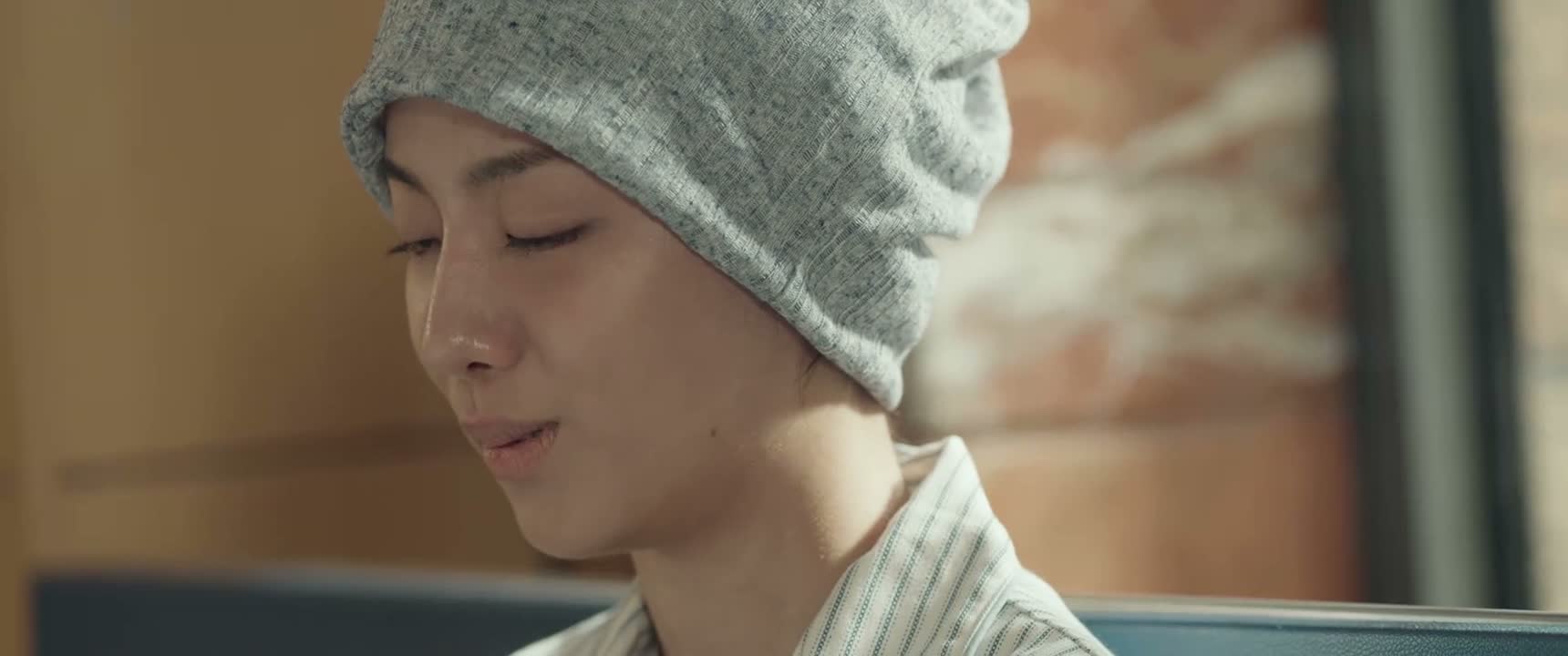
“honestly, I'd be okay with that.”
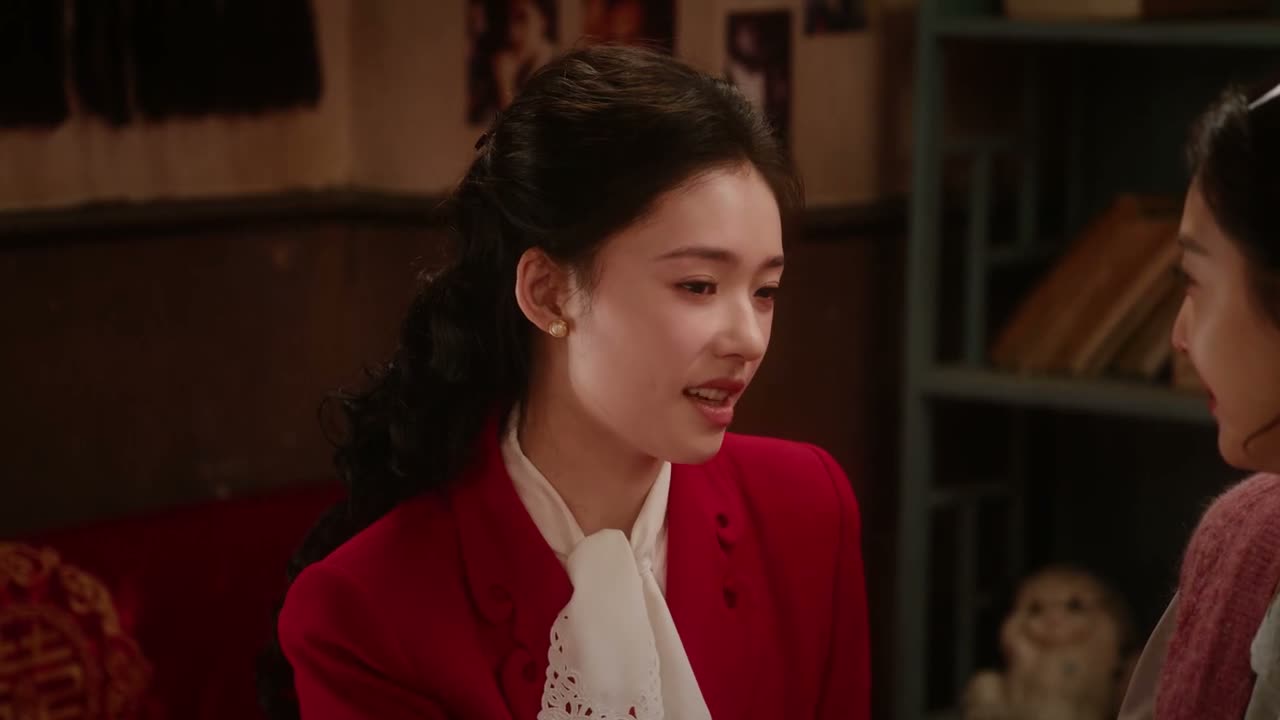
“"I'm doing well too."”
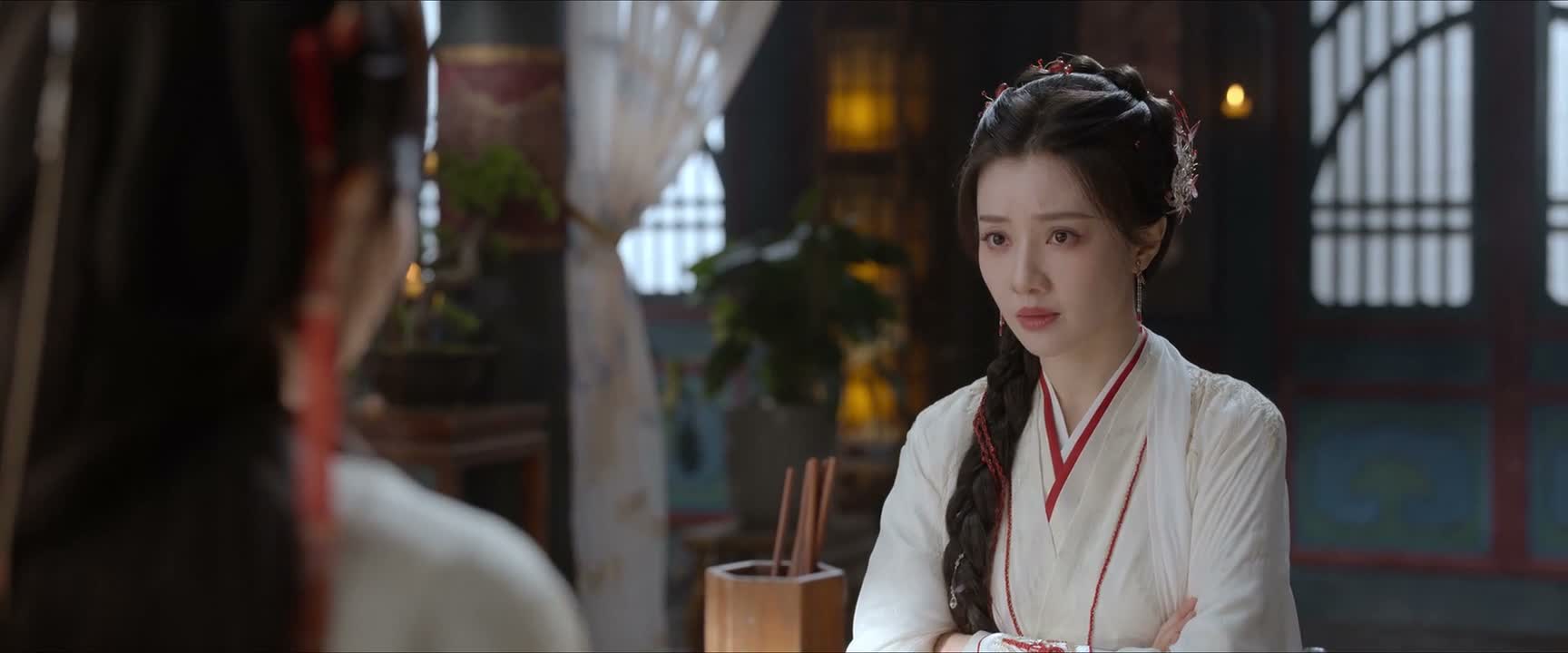
“He is really a good person.”
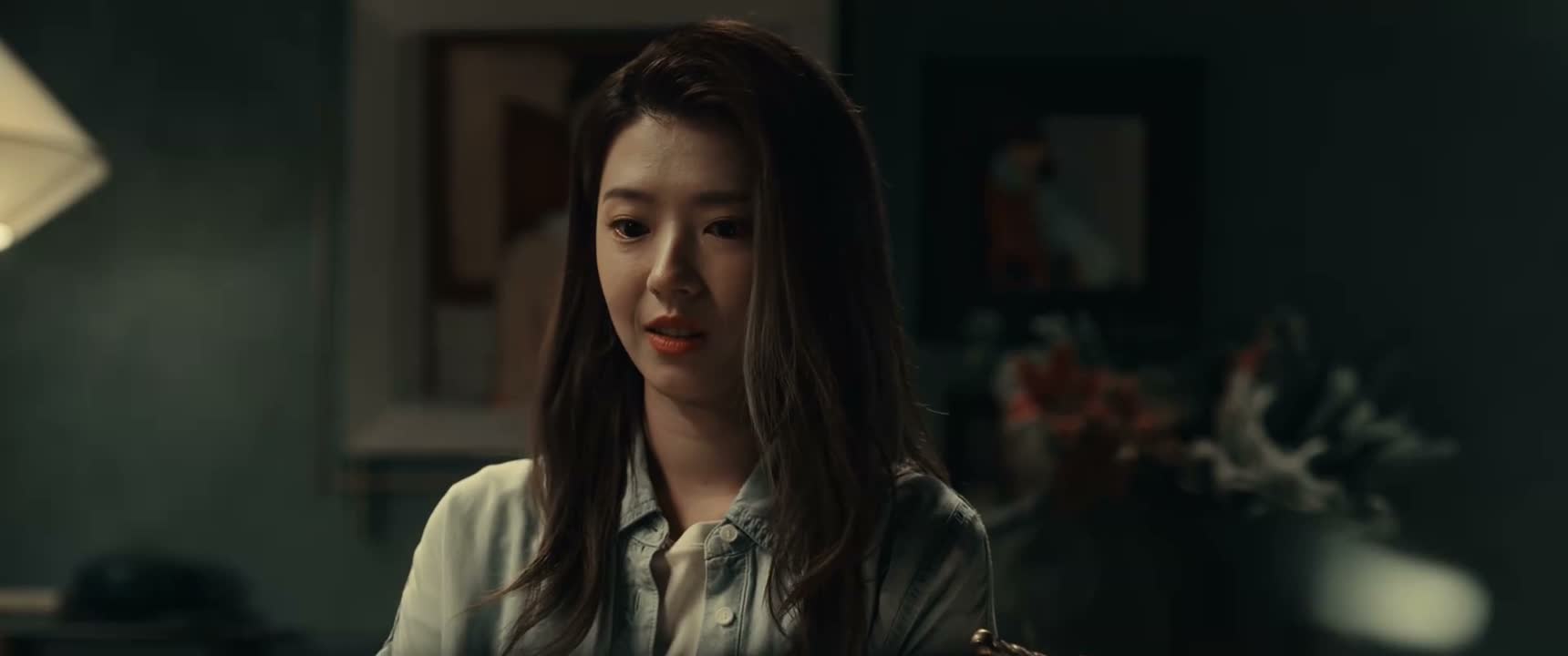
“Actually, he's quite nice to people.”
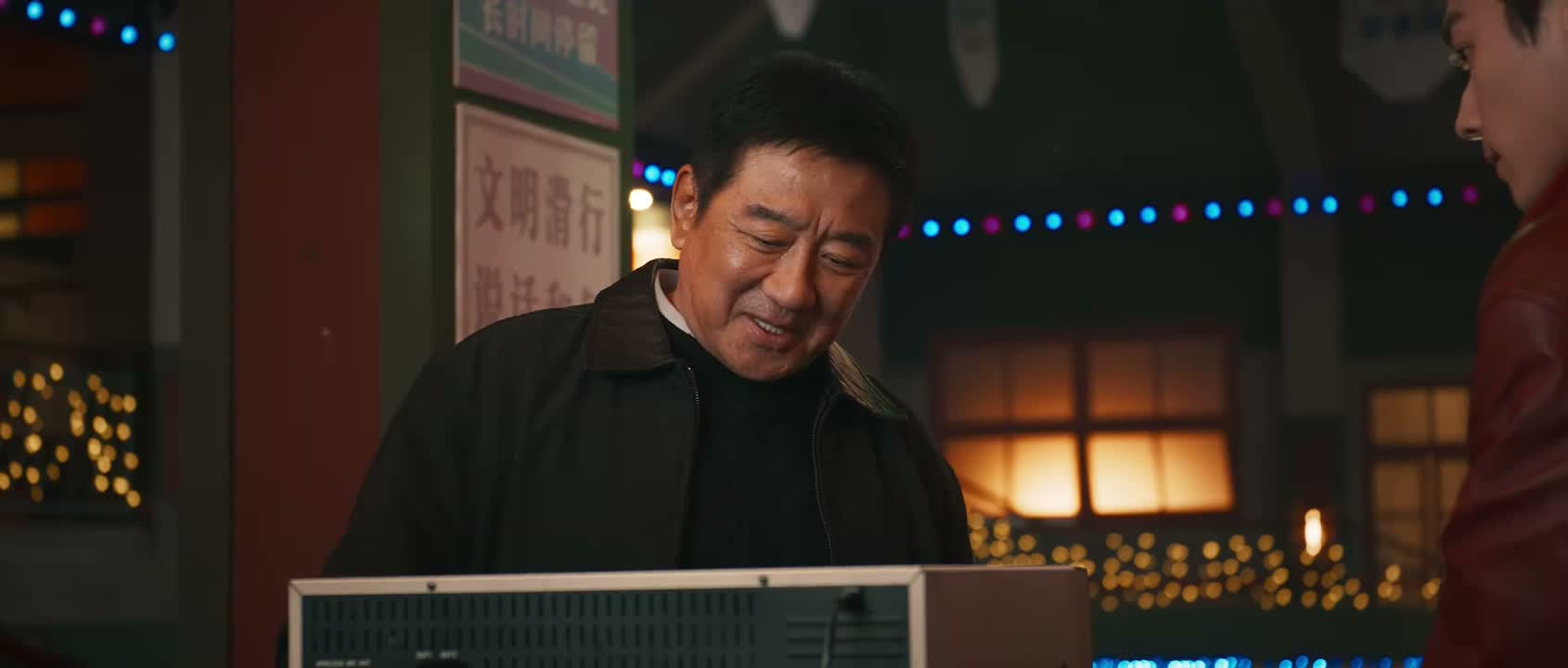
“I think this is pretty good.”

“You're a decent guy. A good person.”