我怎么能撒手离你而去啊
“The days are so fine. How could I bear to leave you behind?”
THE DIALOGUE REEL
这日子正好
“The days are so fine. How could I bear to leave you behind?”
我 怎么能 撒手离你而去 啊
“The days are so fine. How could I bear to leave you behind?”
阿苑
“Yuan, you aren't true to yourself.”
“I care about you too much to ever want to abandon you.”
Chinese expressions of attachment often frame departure as a moral and emotional cruelty, emphasizing mutual dependency.
LEARNING CHUNKS & PARTICLES
how can one; how could I possibly
Used to express emotional impossibility or moral objection in a rhetorical question.
let go; wash one's hands of
Often used metaphorically to mean abandoning someone or passing away suddenly.
leave you; depart from you
A poetic and dramatic idiom expressing departure or death.
Heightens emotional intensity and lamentation at the end of the rhetorical plea.
VOCABULARY & EXPRESSIONS
Parallel Spoken Cinema Scenes (语义近邻切片)
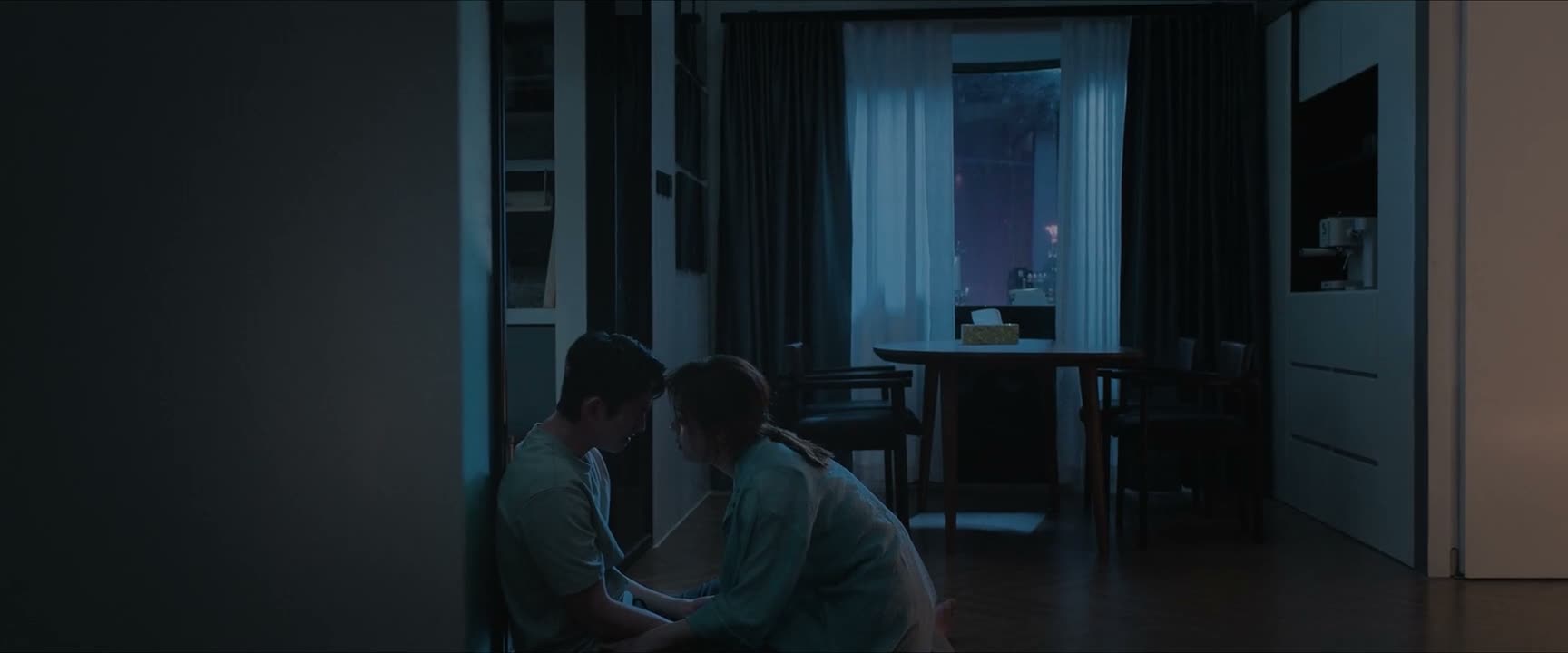
“I never thought of leaving you.”

“why I left you?”

“how are we going to escape? Why should we escape?”