工地上耗子那么大 不野能逮着吗
“Mice on the site are huge. It has to be tough to catch them.”
THE DIALOGUE REEL
小野猫 取什么名字啊 野就对了
“It's a stray cat. Why should we name it? It should be tough.”
工地上耗子那么大 不野能逮着吗
“Mice on the site are huge. It has to be tough to catch them.”
李娟说得对
“Li Juan's right.”
“Being tame won't work out here; it has to be fierce to survive.”
Working-class culture often values practical utility and resilience over aesthetic delicacy, symbolized here by preferring a feral, effective mouser.
LEARNING CHUNKS & PARTICLES
mouse or rat
A colloquial northern Chinese term for mouse/rat, used interchangeably with 老鼠 in casual speech.
to catch or capture
A highly colloquial northern verb used in informal contexts for catching animals or people.
Marks a rhetorical question expecting an obvious negative agreement.
VOCABULARY & EXPRESSIONS
Parallel Spoken Cinema Scenes (语义近邻切片)

“We can catch mice in the yard.”
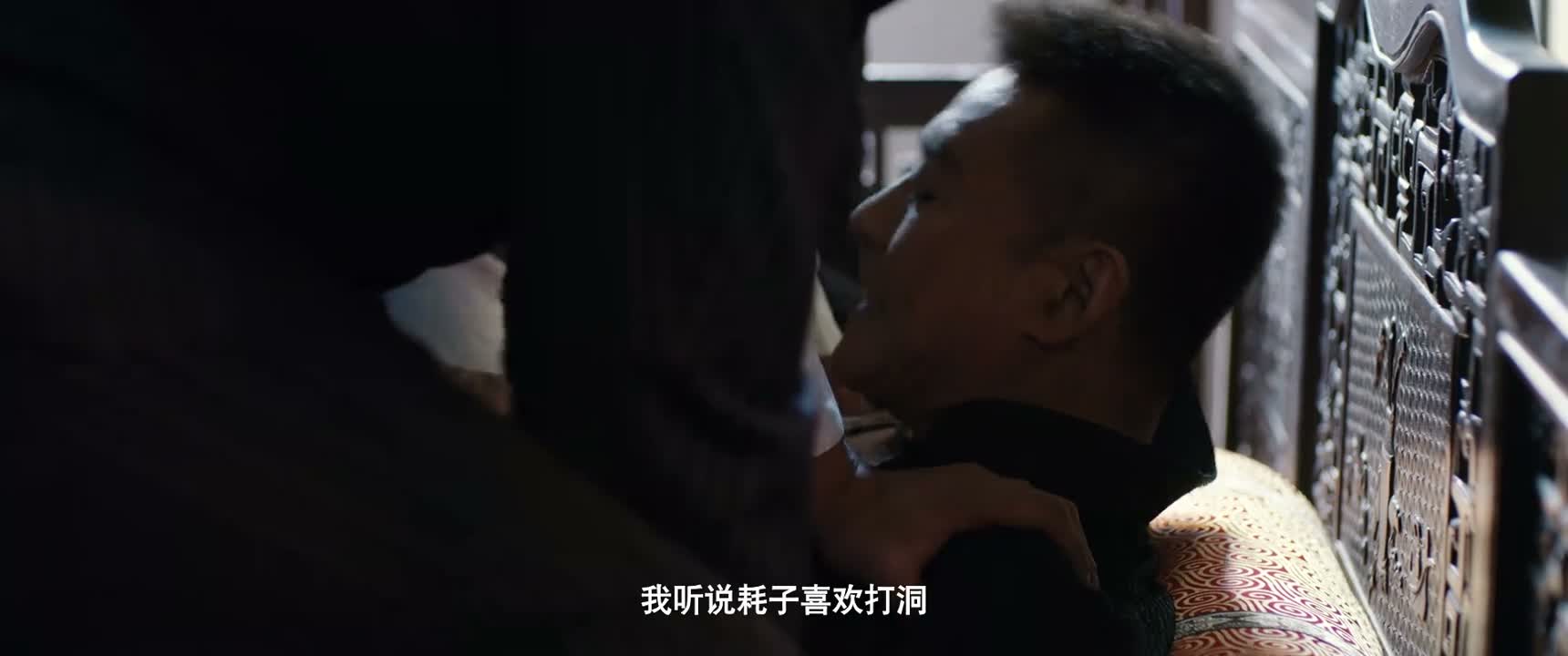
“I heard rats like to dig holes.”

“To be a rat in someone's basement?”

“I caught one this big at my grandma's.”

“(Let alone a person, not even a mouse could slip through.)”

“What's wrong? There's a rat. I heard it.”