《Echoes of a Thousand Moons》 S1·E2 (09:51)
HSK 1
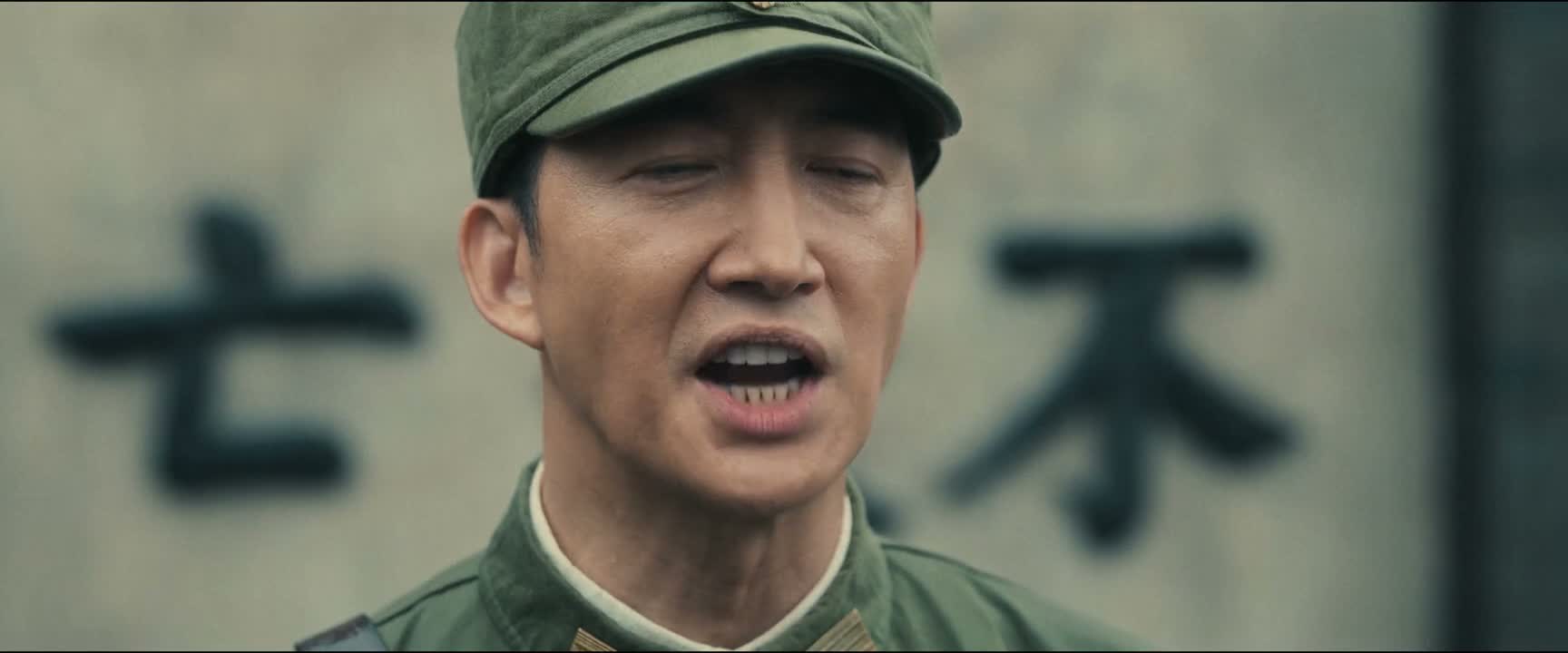
nǐ men shuō tā gāi sǐ ma gāi sǐ
你们说他该死吗 该死
“Do you think he deserves to die? Yes.”
《Echoes of a Thousand Moons》
S1·E2
TIMECODE: 09:51
·
1080P MASTER AUDIO
THE DIALOGUE REEL
[-1] PREVIOUS TURN
àn jūn guī yú yuǎn shēng yīng gāi jiù dì qiāng jué dàn shì dà zhàn zài jí
按军规 于远生应该就地枪决 但是大战在即
“According to military regulations, Yu Yuansheng should be executed on the spot. But a great battle is imminent.”
nǐ men shuō tā gāi sǐ ma gāi sǐ
CURRENT FOCUS
你们说他 该死 吗 该死
“Do you think he deserves to die? Yes.”
Subtitles synced to millisecond timecode
Browse Show Clips →
Scene:
Crisis & Conflict
Function:
RALLYING CROWD
Tone:
COMMANDING
Emotion:
ANGER
WHAT THEY REALLY MEAN (PRAGMATIC SUBTEXT)
“I need all of you to agree that he deserves execution so the discipline is unquestionable.”
💡 Cultural Insight: Collective Will (众怒)
In Chinese leadership rhetoric, appealing to the collective consensus ('what everyone thinks') reinforces the moral legitimacy of enforcing severe punishment.
INTENT TAGS:
#rallying
#consensus_building
#disciplining
#interrogation
🧩
1 CHUNKS · 1 PARTICLES
LEARNING CHUNKS & PARTICLES
该死
SPOKEN CHUNK
to deserve to die; damn it
Literally means deserving death, but in everyday colloquial speech it often serves as an exclamation of frustration like 'damn it'.
Modal Particle「吗」 (ma)
CHANGE OF STATE
Forms a direct yes-no question to prompt immediate vocal confirmation from the audience.
🏮
1 EXPR · 0 GRAMMAR
VOCABULARY & EXPRESSIONS
COLLOQUIAL EXPRESSIONS:
CROSS-CINEMA CORPUS BOARD · PARALLEL SCENES
EXPLORE BY SEMANTIC SIMILARITY
Parallel Spoken Cinema Scenes (语义近邻切片)

《Echoes of a Thousand Moons》 S1·E2 (09:51) · Authentic Cinema Dialogue Corpus