MC
MandarinClips Cinema Corpus
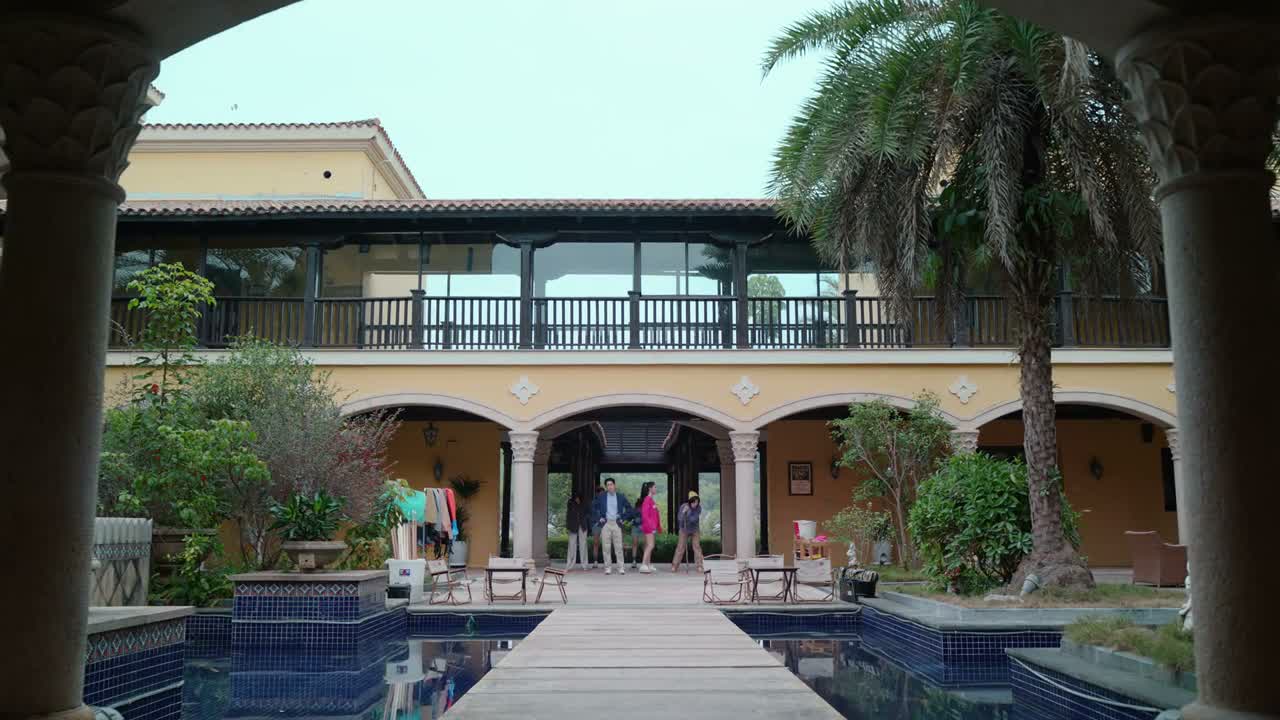
《How Dare You!?》 S1·E4 (24:23) HSK 5
hǎo shī hǎo shī a zǒu zǒu zǒu

好诗好诗啊 走走走

“What a good poem! Let's go.”

《How Dare You!?》 S1·E4
TIMECODE: 24:23 · 1080P MASTER AUDIO

THE DIALOGUE REEL

1+1+1 SPOKEN CONTINUITY
[-1] PREVIOUS TURN gōng zi lǐ miàn qǐng

公子 里面请

“Young master, please come in.”

hǎo shī hǎo shī a zǒu zǒu zǒu CURRENT FOCUS

好诗好诗 啊 走走走

“What a good poem! Let's go.”

[+1] FOLLOW-UP TURN kàn kàn zhè shì shén me lái lǐ biān qǐng zhè shì shén me gēn shén me ya

看看 这是什么 来 里边请 这是什么跟什么呀

“-Look. -What is this? Please come in. What is all this?”

Subtitles synced to millisecond timecode Browse Show Clips →
Scene: Social & Dating
Function: FEIGNED ADMIRATION AND URGING
Tone: ENTHUSIASTIC
Emotion: EXCITEMENT
WHAT THEY REALLY MEAN (PRAGMATIC SUBTEXT)
“Fine, whatever, nice words—hurry up and let us inside already!”
💡 Cultural Insight: Ritualised Literary Flattery

In traditional Chinese social venues, praising poems or calligraphic couplets at the entrance was a standard social grace, even when treated casually by impatient guests.

INTENT TAGS: #complimenting #urging #hurrying #social_pleasantry
🧩

LEARNING CHUNKS & PARTICLES

2 CHUNKS · 1 PARTICLES
好诗好诗 SPOKEN CHUNK

What a fine poem; truly great poetry.

A reduplicated formulaic compliment used to praise a verse, often uttered colloquially to show approval or superficial courtesy.

走走走 SPOKEN CHUNK

Let's go; hurry along.

A repeated imperative used to inject urgency and urge companions to move forward immediately.

Modal Particle「啊」 (a) CHANGE OF STATE

Adds an exclamatory and lively tone to emphasize the speaker's vocal appreciation.

🏮

VOCABULARY & EXPRESSIONS

2 EXPR · 0 GRAMMAR
CROSS-CINEMA CORPUS BOARD · PARALLEL SCENES

Parallel Spoken Cinema Scenes (语义近邻切片)

EXPLORE BY SEMANTIC SIMILARITY
《How Dare You!?》 S1·E4 (24:23) · Authentic Cinema Dialogue Corpus