话说我们要走到什么时候啊
“How much longer do we have to walk?”
THE DIALOGUE REEL
我没有在夸你
“I'm not complimenting you.”
话说 我们要 走到什么时候 啊
“How much longer do we have to walk?”
胥尧那本书
“Isn't Xu Yao's book”
“I'm exhausted from walking, can we stop soon?”
Chinese speakers often soften complaints or fatigue by phrasing them as casual topic shifts rather than direct refusals to continue.
LEARNING CHUNKS & PARTICLES
by the way; so tell me
A very common conversational opener used to casually redirect the topic or bring up a new question.
walk until when; keep walking forever
Used idiomatically to complain about prolonged physical exertion or lack of a clear destination.
Softens the interrogative tone while adding a nuance of exasperation or weariness.
VOCABULARY & EXPRESSIONS
Parallel Spoken Cinema Scenes (语义近邻切片)

“What does this mean: "We'll know when the time comes"?”

“But when on earth can I walk?”

“How much longer do we have to wait? - It's so cold! - Are they still dancing?”

“Then how long will we wait for it to arrive?”
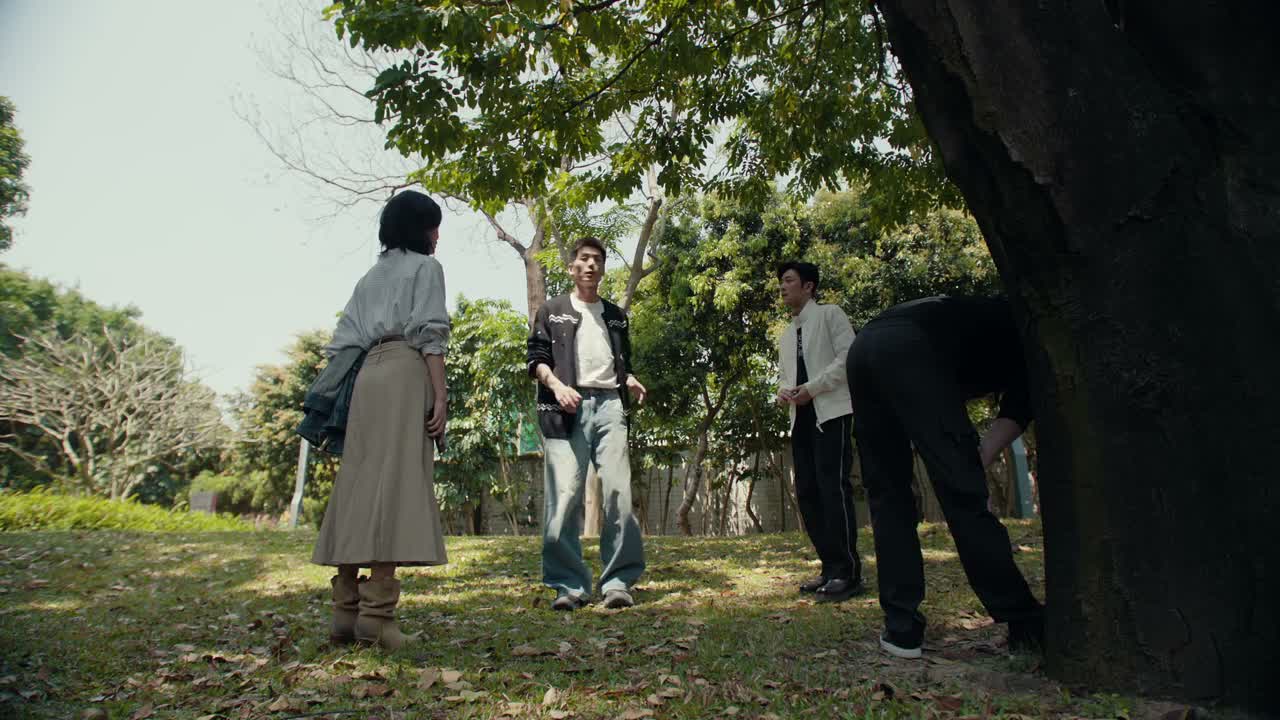
“we should wrap it up for today.”
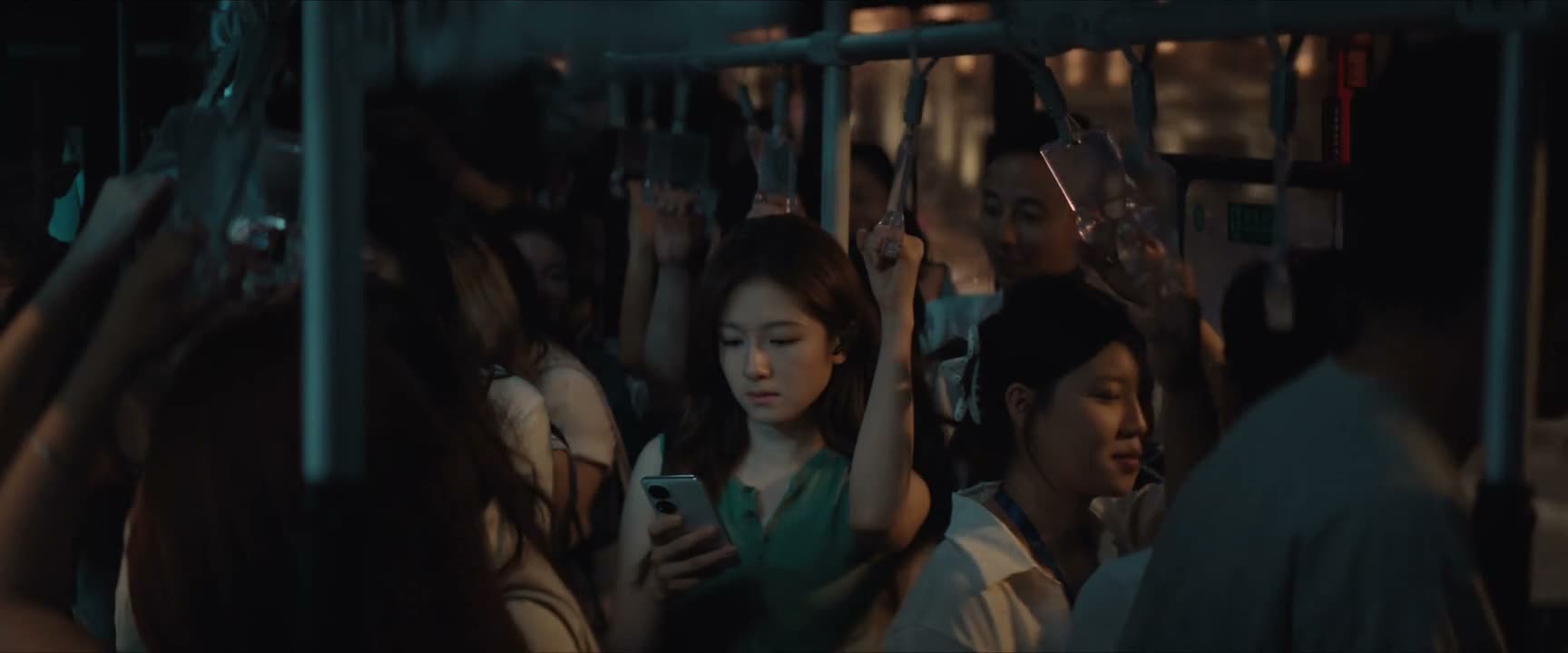
“will give us an explanation.”