三元 咋站这儿了嘛 又咋了嘛
“Sanyuan, why are you standing there? What happened now?”
THE DIALOGUE REEL
三元 咋站这儿了嘛 又咋了 嘛
“Sanyuan, why are you standing there? What happened now?”
又咋了 来嘛 胡三元 你给咱大家说说你咋了嘛
“What happened? Come on, Hu Sanyuan. Tell everyone what happened.”
Direct spoken expression in this communicative setting.
In close-knit Chinese communities, asking peers personal questions when noticing unusual behavior is considered an expression of care rather than an invasion of privacy.
LEARNING CHUNKS & PARTICLES
why are you standing here
A highly colloquial northern dialect query used when spotting someone lingering out of place.
what happened again
Used informally to ask what went wrong, often implying a recurring problem or sigh of exasperation.
Conveys an urgent, probing northern colloquial tone, nudging the listener to respond.
Indicates a new, noticeable state of affairs that has captured the speaker's attention.
VOCABULARY & EXPRESSIONS
Parallel Spoken Cinema Scenes (语义近邻切片)

“Sanyuan. I have mixed feelings today.”

“Sanyuan! Get me a ticket! I'll come find you then.”
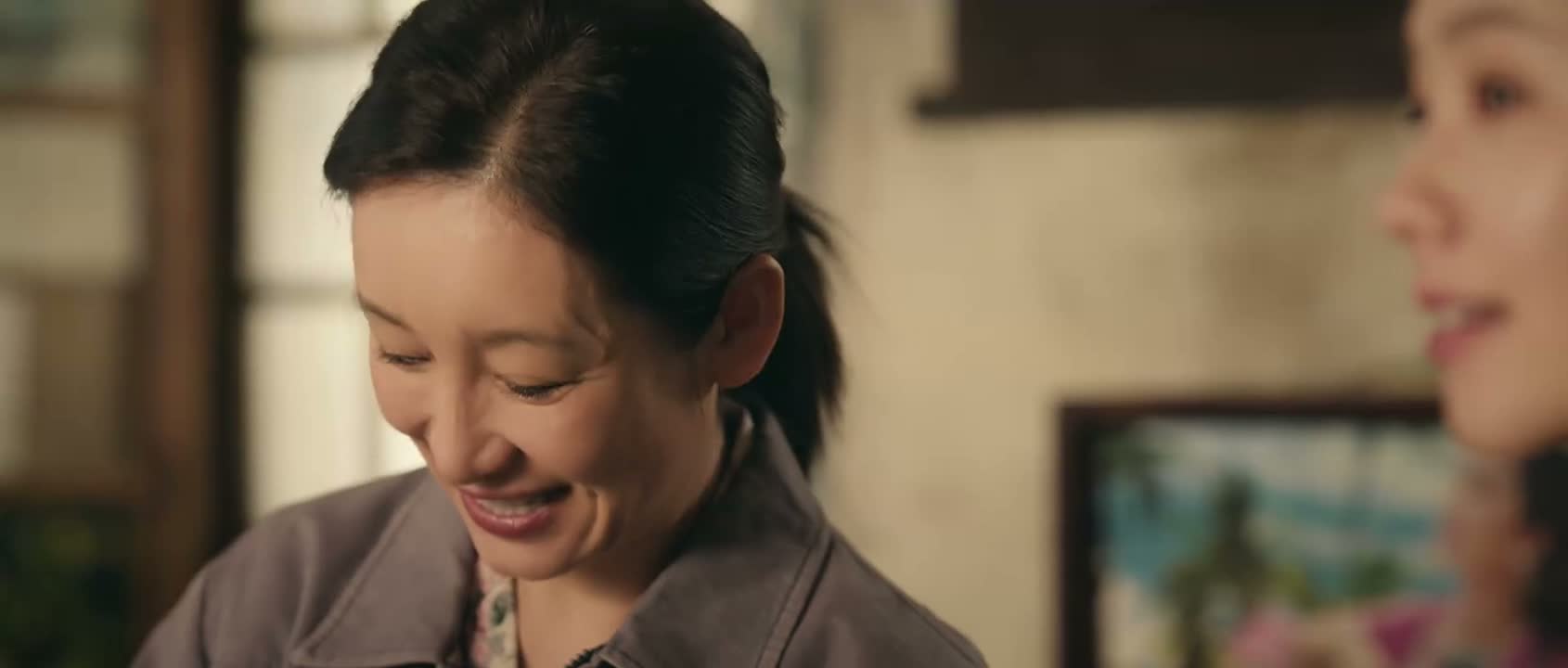
“Uncle Sanyuan! Something bad happened!”

“Sanyuan is back. You must be playing today. Who said that?”
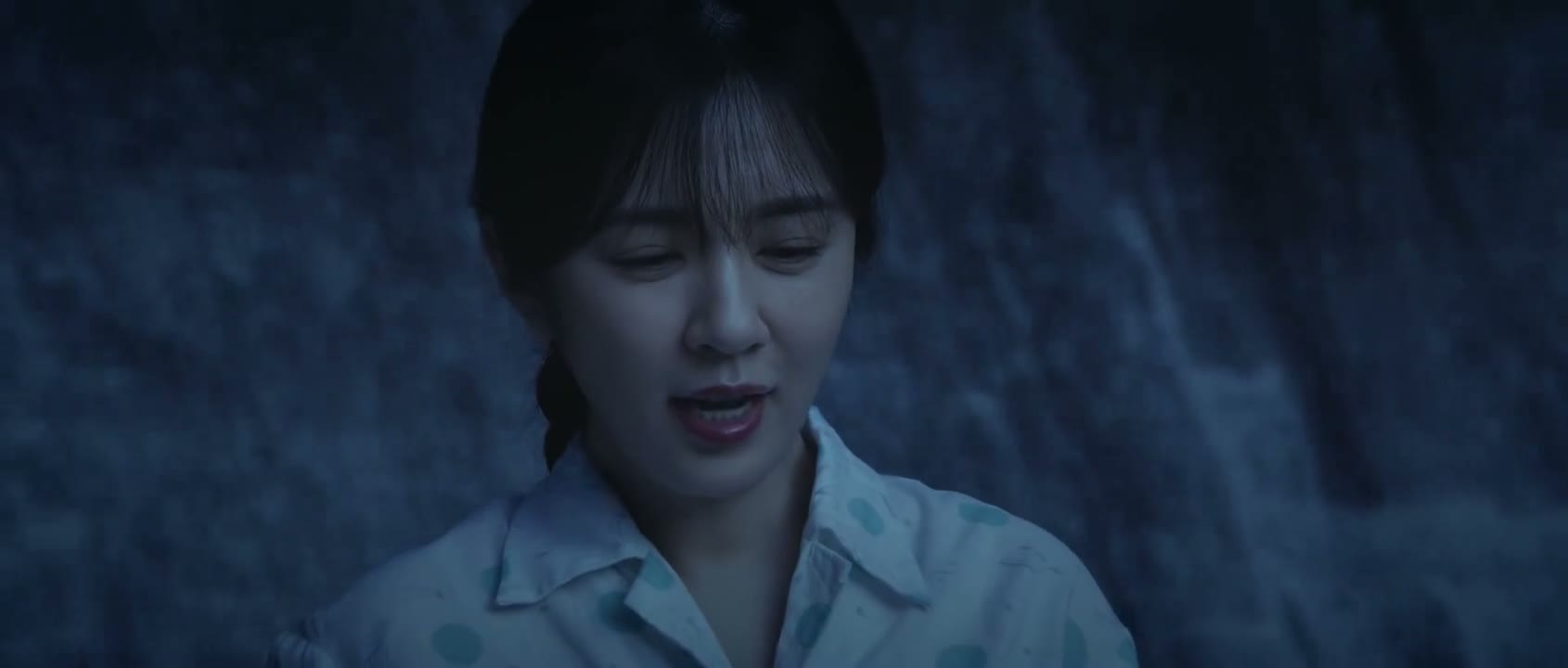
“Sanyuan really gets you.”
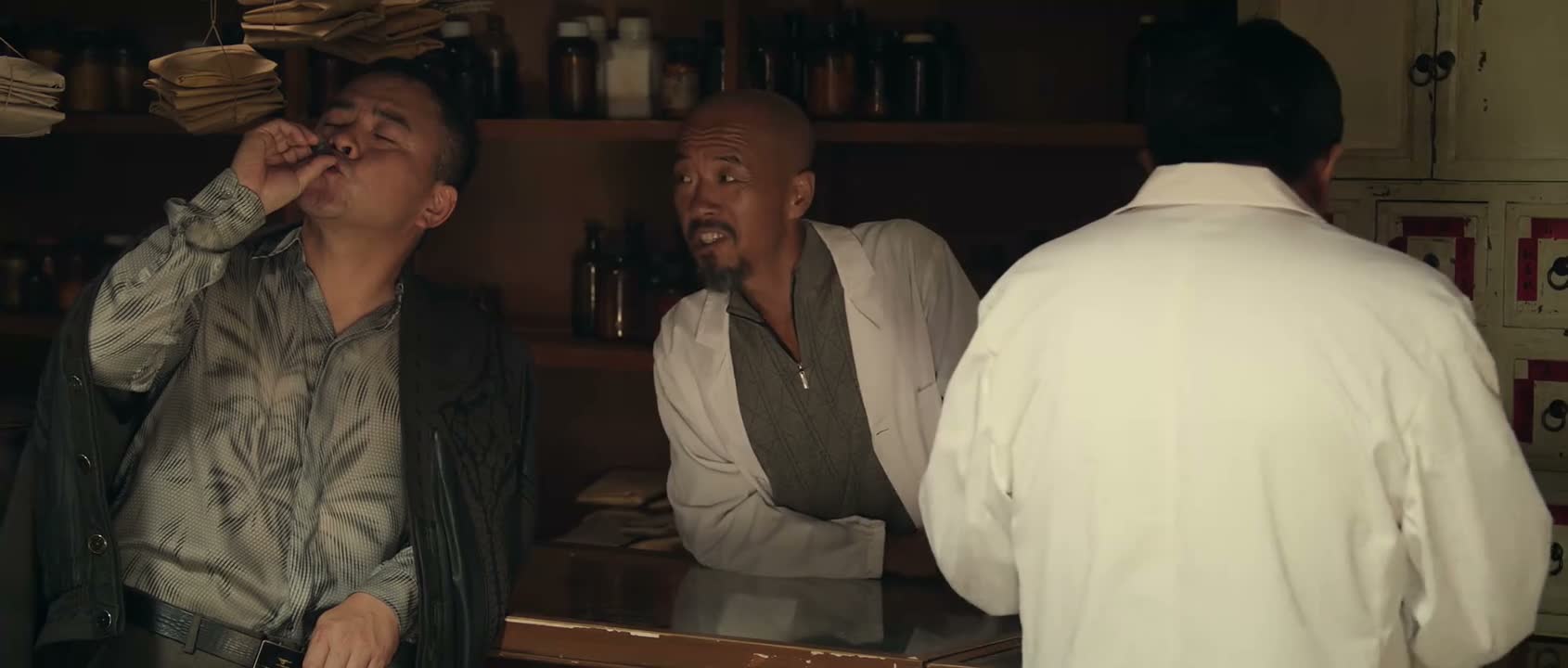
“Sanyuan's got a story.”