MC
MandarinClips Cinema Corpus
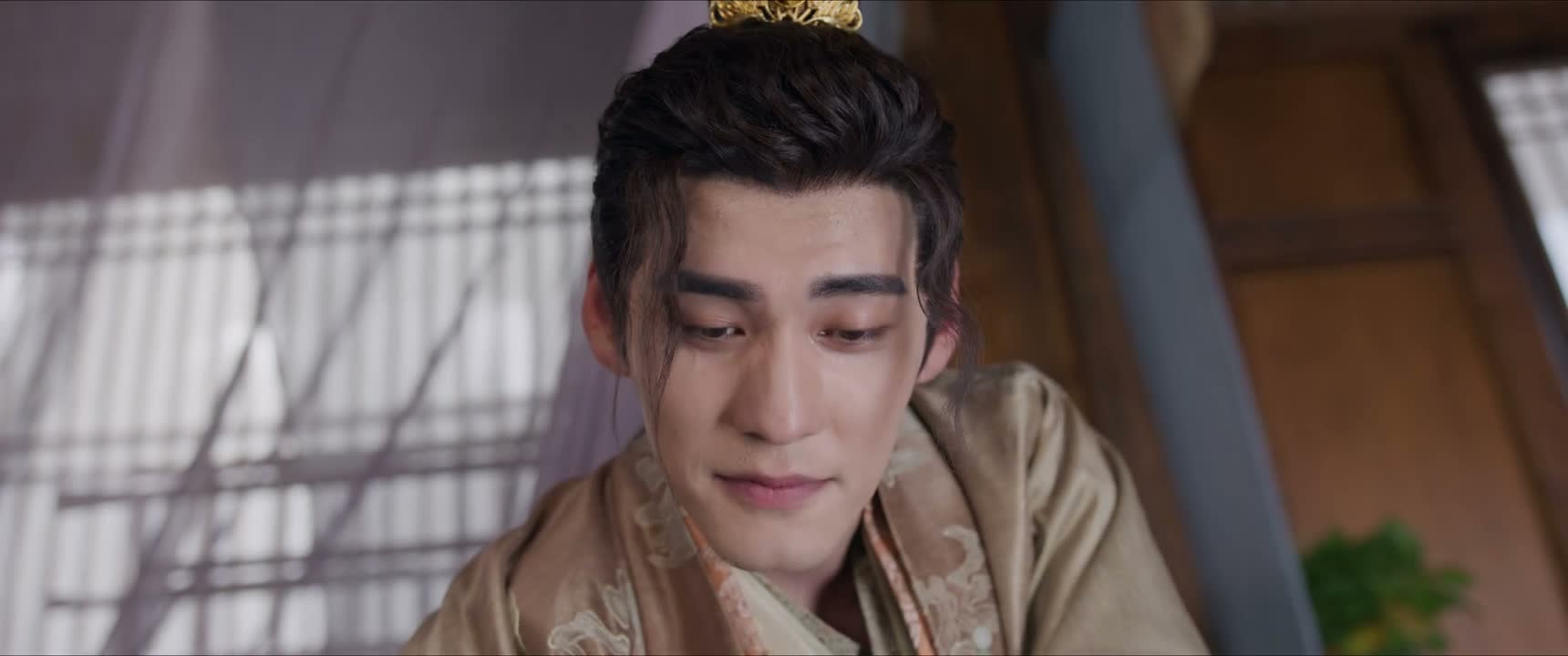
《Coroner's Diary》 S1·E9 (16:17) HSK 6
wǒ men rì hòu jiāng rú hé jiàn rén ne

我们日后将如何见人呢

“How can we face others after this?”

《Coroner's Diary》 S1·E9
TIMECODE: 16:17 · 1080P MASTER AUDIO

THE DIALOGUE REEL

1+1+1 SPOKEN CONTINUITY
[-1] PREVIOUS TURN zhè shì chéng xīn bài huài wǒ qín fǔ de qì yùn nǎ

这是成心 败坏我秦府的气运哪

“This is deliberately ruining our family's fortune.”

wǒ men rì hòu jiāng rú hé jiàn rén ne CURRENT FOCUS

我们日后将 如何见人 呢

“How can we face others after this?”

[+1] FOLLOW-UP TURN huò dà rén ruò bù néng wèi wǒ qín jiā zuò zhǔ

霍大人若不能为我秦家做主

“Prefect Huo, if you can't stand up for our family,”

Subtitles synced to millisecond timecode Browse Show Clips →
Scene: Historical & Court
Function: APPEALING TO AUTHORITY
Tone: PLAINTIVE
Emotion: GRIEF
WHAT THEY REALLY MEAN (PRAGMATIC SUBTEXT)
“Our reputation is completely ruined unless you fix this injustice for us right now.”
💡 Cultural Insight: Lianmian (Social Face and Honor)

In traditional Chinese culture, a prominent family's public dignity is paramount; claiming one 'cannot face people' is a grave appeal for restorative justice.

INTENT TAGS: #lamenting #guilt_tripping #demanding_justice #saving_face
🧩

LEARNING CHUNKS & PARTICLES

2 CHUNKS · 1 PARTICLES
日后 SPOKEN CHUNK

in the future; in the days to come

A formal and literary way to say 'in the future', frequently used in dramatic or serious spoken contexts.

如何见人 SPOKEN CHUNK

how to face others; too ashamed to be seen

Use this rhetorical expression when describing extreme social embarrassment or loss of face.

Modal Particle「呢」 (ne) CHANGE OF STATE

Softens the rhetorical question while underscoring a helpless and aggrieved emotional tone.

🏮

VOCABULARY & EXPRESSIONS

1 EXPR · 0 GRAMMAR
COLLOQUIAL EXPRESSIONS:
CROSS-CINEMA CORPUS BOARD · PARALLEL SCENES

Parallel Spoken Cinema Scenes (语义近邻切片)

EXPLORE BY SEMANTIC SIMILARITY
《Coroner's Diary》 S1·E9 (16:17) · Authentic Cinema Dialogue Corpus