你说我像我妈 我哪儿像我妈了
“You said I'm like my mom. How am I like her?”
THE DIALOGUE REEL
肉麻 烦死了
“So cringey. So annoying.”
你说 我 像我妈 我哪儿 像我妈 了
“You said I'm like my mom. How am I like her?”
“I hate when people say that. You know that.”
“Take that back right now—I am nothing like her, and you know how much I hate being compared to her.”
Among younger Chinese generations, being told one resembles their mother during romantic conflict is often interpreted as an accusation of nagging, controlling behavior, or emotional volatility.
LEARNING CHUNKS & PARTICLES
where is / how on earth (rhetorical denial)
Used in colloquial speech to vigorously deny an accusation, assertion, or compliment made by the other person.
resemble my mother
A common phrase in relationship arguments where being compared to one's parent triggers insecurity or resentment.
Functions in combination with the rhetorical pronoun to emphasize a strong counter-assertion and indignation.
VOCABULARY & EXPRESSIONS
Parallel Spoken Cinema Scenes (语义近邻切片)

“I hate when people say that. You know that.”

“I hate it most when people say I'm like my mom.”

“This is like my mom's cooking. It was cooked by your mom indeed.”

“just like your mother.”
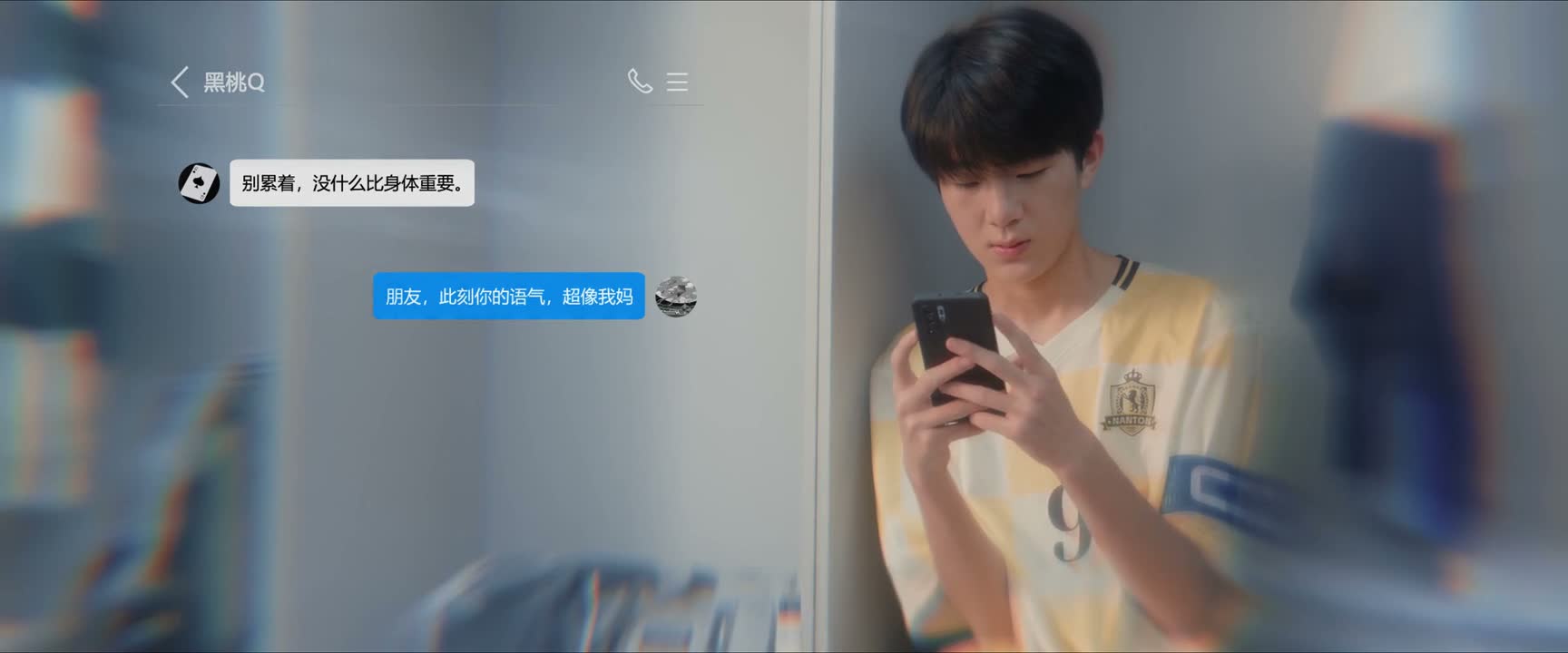
“Friend, you sound just like my mom right now.”

“Your mother is out of mind this time!”