MC
MandarinClips Cinema Corpus
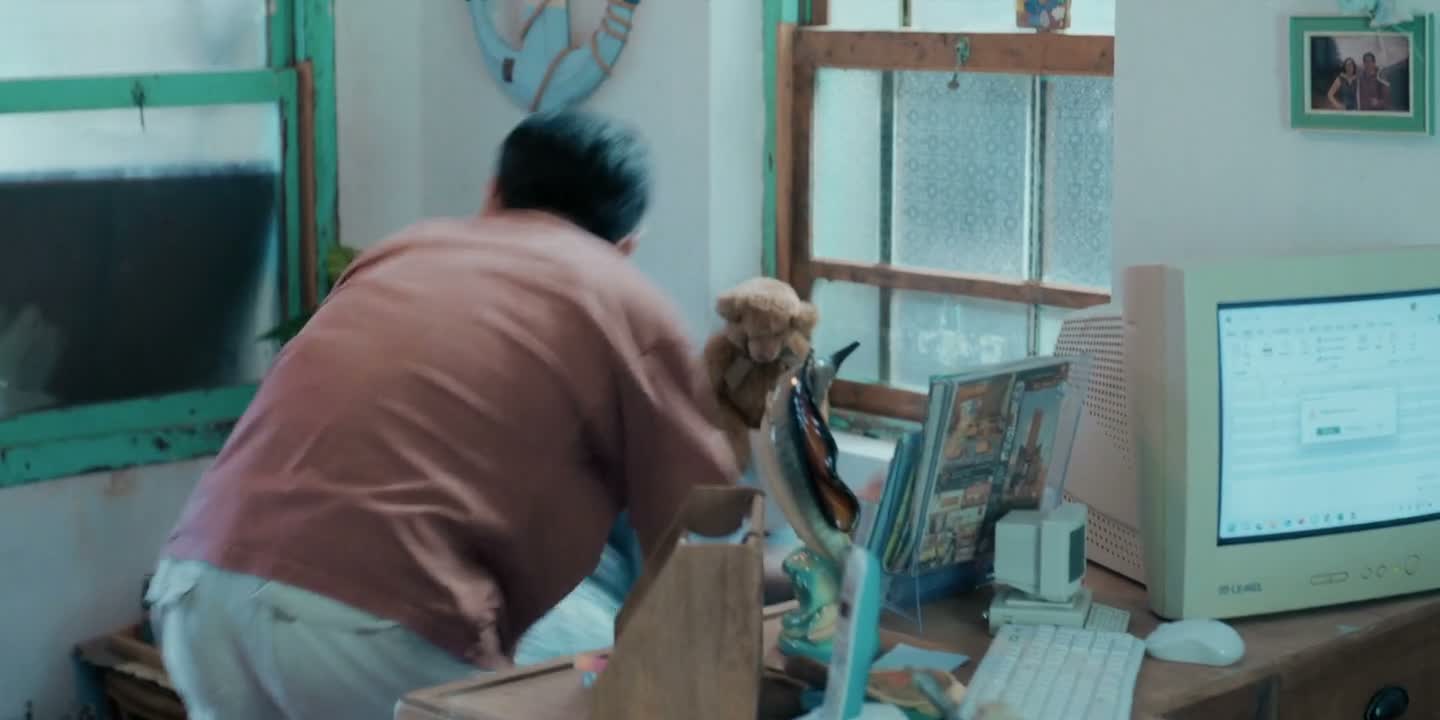
《The Truth》 S1·E16 (14:09) HSK 1
mǎi wán huā qù nǎ ér le zhī dào ma

买完花去哪儿了 知道吗

“Do you know where she went after that?”

《The Truth》 S1·E16
TIMECODE: 14:09 · 1080P MASTER AUDIO

THE DIALOGUE REEL

1+1+1 SPOKEN CONTINUITY
[-1] PREVIOUS TURN shì yòng bào zhǐ guǒ yī xià rán hòu jīng bāo zhuāng shì yào é wài shōu fèi de

是用报纸裹一下 然后精包装是要额外收费的

“Discounted flowers just get wrapped in newspaper. Premium packaging costs extra.”

mǎi wán huā qù nǎ ér le zhī dào ma CURRENT FOCUS

买完花 去哪儿了 知道吗

“Do you know where she went after that?”

[+1] FOLLOW-UP TURN zhè ge wǒ hái zhēn méi tài zhù yì yīng gāi shì dǎ chē zǒu de wǒ jì de

这个我还真没太注意 应该是打车走的 我记得

“I really don't know. I think she took a taxi.”

Subtitles synced to millisecond timecode Browse Show Clips →
Scene: Legal & Police
Function: SEEKING INFORMATION
Tone: INQUISITIVE
Emotion: CURIOSITY
WHAT THEY REALLY MEAN (PRAGMATIC SUBTEXT)

Direct spoken expression in this communicative setting.

💡 Cultural Insight: Informal Questioning Style

In Chinese routine inquiries or field investigations, questions are often clipped and direct without honorifics when seeking fast factual details.

INTENT TAGS: #inquiry #investigation #fact_finding #questioning
🧩

LEARNING CHUNKS & PARTICLES

2 CHUNKS · 1 PARTICLES
去哪儿了 SPOKEN CHUNK

where did (someone) go

A very common colloquial question pattern to ask about someone's destination or whereabouts.

知道吗 SPOKEN CHUNK

do you know?

A direct tag question appended to verify whether the listener has information.

Modal Particle「吗」 (ma) CHANGE OF STATE

Marks a direct yes-no question to verify the listener's knowledge.
🏮

VOCABULARY & EXPRESSIONS

2 EXPR · 0 GRAMMAR
CROSS-CINEMA CORPUS BOARD · PARALLEL SCENES

Parallel Spoken Cinema Scenes (语义近邻切片)

EXPLORE BY SEMANTIC SIMILARITY
《The Truth》 S1·E16 (14:09) · Authentic Cinema Dialogue Corpus