你们谁啊 来结个账
“Who's going to pay the bill?”
THE DIALOGUE REEL
满楼道都是你们声音
“The whole hallway is full of your voices.”
你们 谁啊 来 结个账
“Who's going to pay the bill?”
咱们前台马上下班了
“Our front desk is getting off work soon.”
“Quit causing a scene, figure out who is responsible, and pay up right now.”
In small Chinese businesses or budget lodgings, service staff often speak bluntly rather than using polished corporate customer service language, prioritizing practical efficiency and firm boundaries over deference.
LEARNING CHUNKS & PARTICLES
who are you people?
A very abrupt and confrontational way to ask who someone is, often implying irritation or a lack of welcome.
settle the bill / pay up
A common colloquial phrase used in restaurants, hotels, or stores to ask for or request payment.
Softens the blunt inquiry slightly, but here conveys impatient questioning and mild confrontation.
VOCABULARY & EXPRESSIONS
Parallel Spoken Cinema Scenes (语义近邻切片)
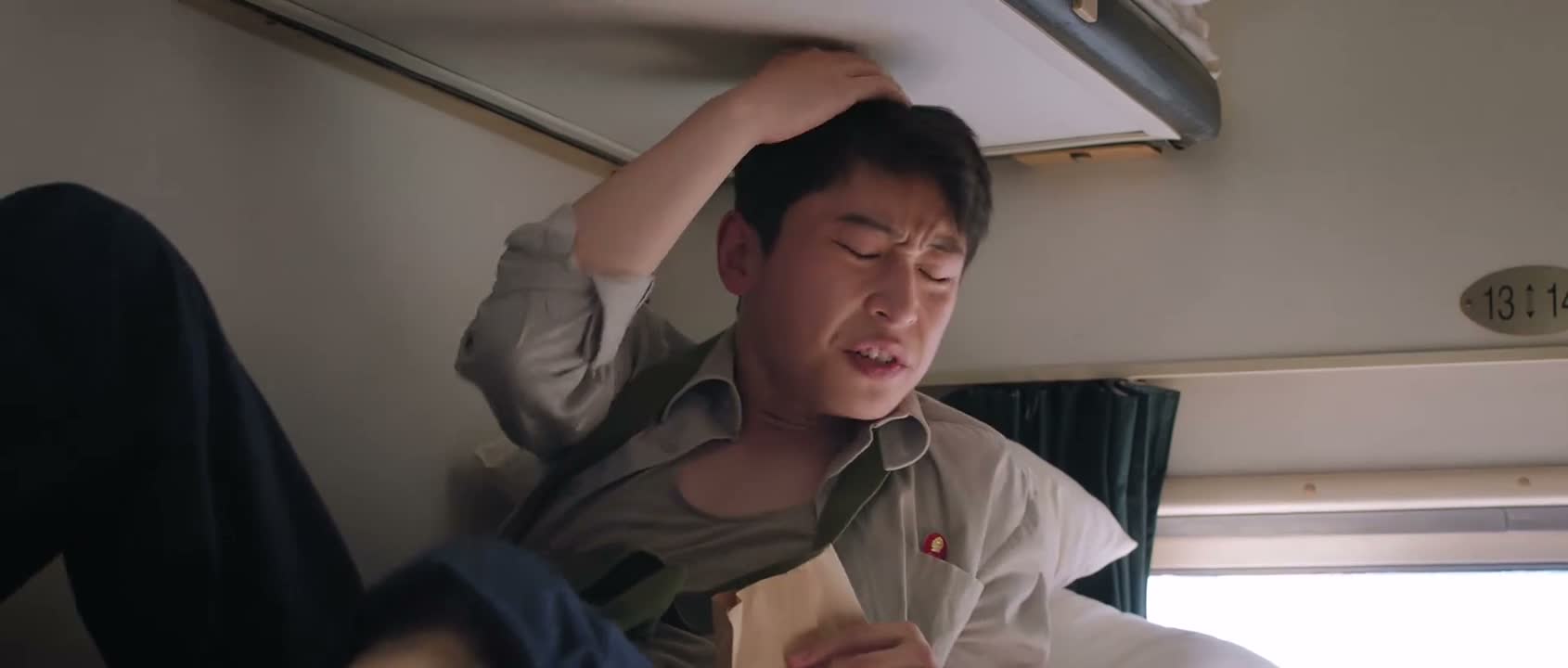
“Who are you? What's it to you?”
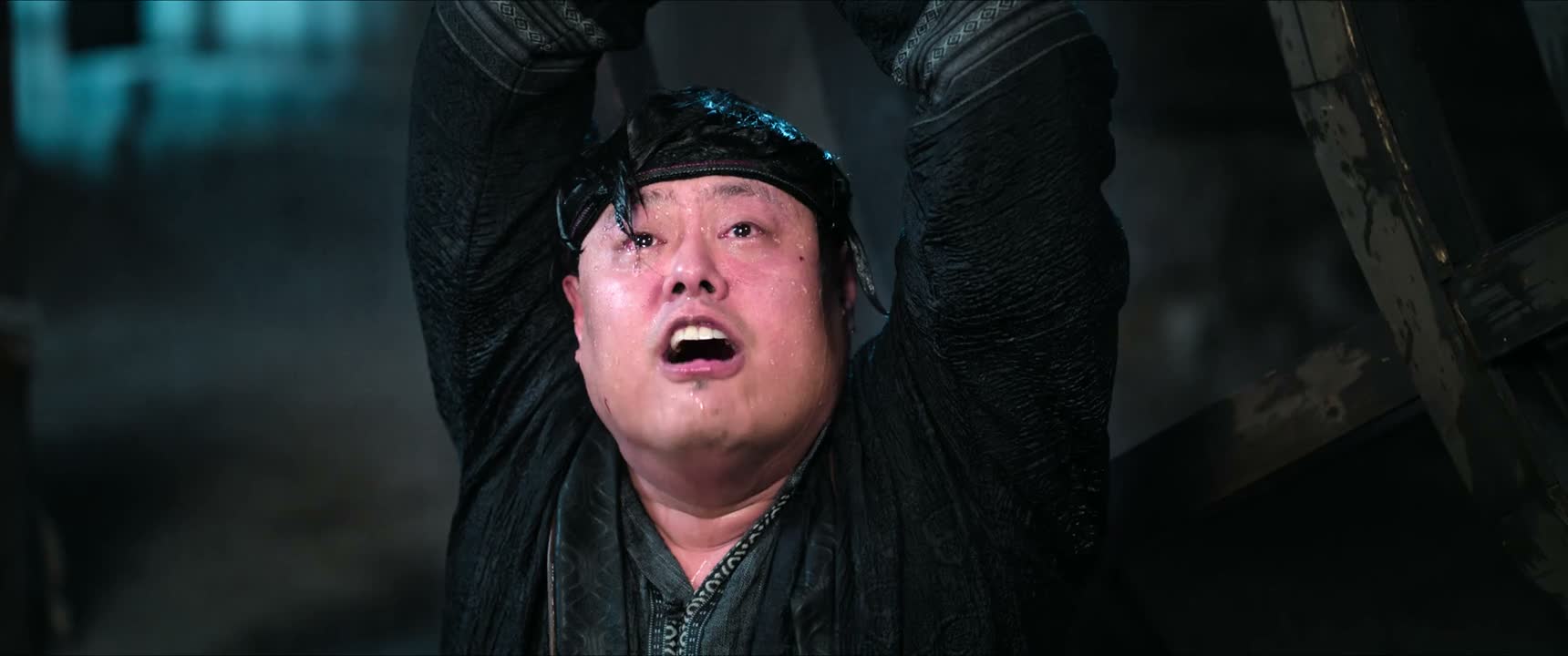
“Who are you? What do you want?”

“Who even are you? What gives you the right?”

“Who are you? None of your business!”

“Who are you? Why did you trip me? Everyone, look!”

“Who are you? Who am I? Did that fall mess up your brain?”