MC
MandarinClips Cinema Corpus
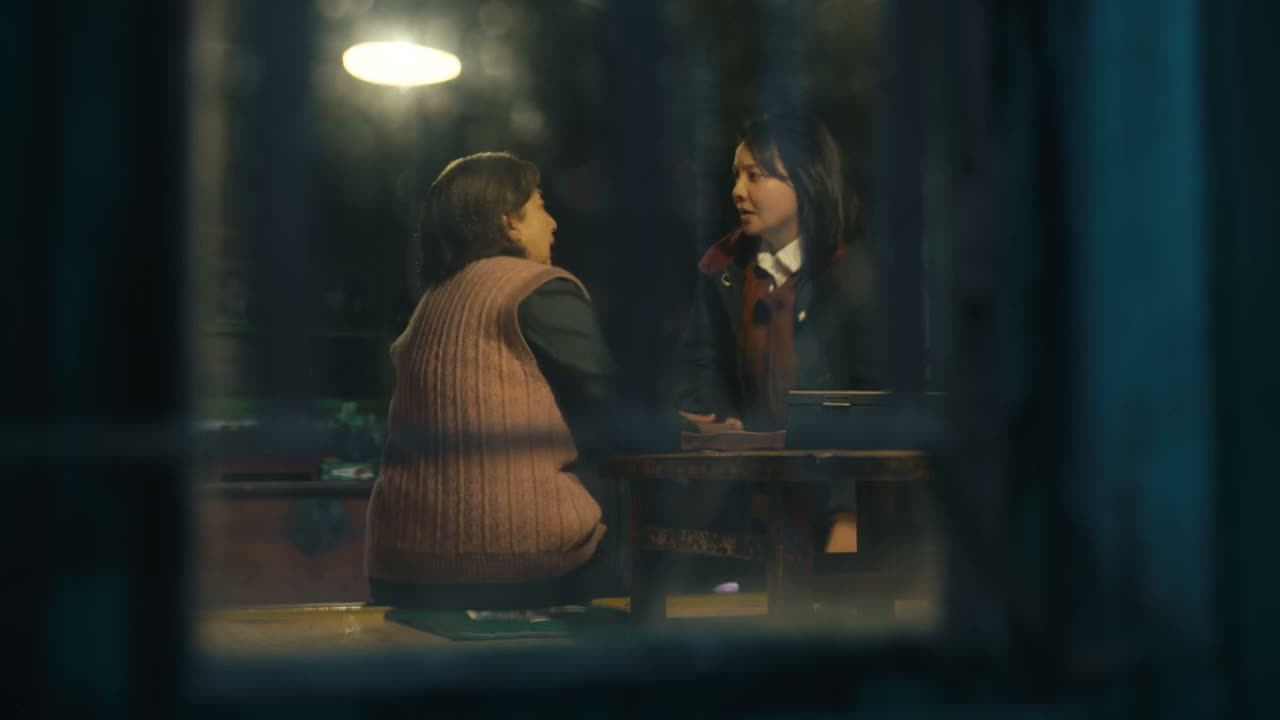
《Live up to Your Youth》 S1·E24 (41:23) HSK 1
zěn me yàng rén zhǎo zháo le ma

怎么样 人找着了吗

“["The Late Love" Filming Team–Producer's Office] how is it? Did you find him?”

《Live up to Your Youth》 S1·E24
TIMECODE: 41:23 · 1080P MASTER AUDIO

THE DIALOGUE REEL

1+1+1 SPOKEN CONTINUITY
[-1] PREVIOUS TURN xiǎo xú

小徐

“["The Late Love" Filming Team–Producer's Office] Xu,”

zěn me yàng rén zhǎo zháo le ma CURRENT FOCUS

怎么样 人 找着了吗

“["The Late Love" Filming Team–Producer's Office] how is it? Did you find him?”

[+1] FOLLOW-UP TURN tā jiā rén jǐ gè yuè qián

他家人几个月前

“His family went abroad”

Subtitles synced to millisecond timecode Browse Show Clips →
Scene: Daily Life
Function: INQUIRING PROGRESS
Tone: CONCERNED
Emotion: ANXIETY
WHAT THEY REALLY MEAN (PRAGMATIC SUBTEXT)

Direct spoken expression in this communicative setting.

💡 Cultural Insight: Resultative Verb Complements in Spoken Chinese

Chinese grammar distinguishes sharply between the action of searching and the successful result of finding, using specific resultative markers like 'zháo' to indicate success.

INTENT TAGS: #inquiry #checking_status #concern #direct_question
🧩

LEARNING CHUNKS & PARTICLES

2 CHUNKS · 1 PARTICLES
怎么样 SPOKEN CHUNK

how are things / how is it going

A highly versatile conversational starter used to ask about progress, conditions, or opinions.

找着了吗 SPOKEN CHUNK

did you find (someone/something)

Uses the resultative complement 'zháo' to specifically ask about the successful outcome of a search.

Modal Particle「吗」 (ma) CHANGE OF STATE

Forms a standard yes-no question inquiring about the completion of the action.

🏮

VOCABULARY & EXPRESSIONS

2 EXPR · 0 GRAMMAR
CROSS-CINEMA CORPUS BOARD · PARALLEL SCENES

Parallel Spoken Cinema Scenes (语义近邻切片)

EXPLORE BY SEMANTIC SIMILARITY
《Live up to Your Youth》 S1·E24 (41:23) · Authentic Cinema Dialogue Corpus