三公子何罪之有?
“How are you at fault?”
THE DIALOGUE REEL
特来请罪
“I come to seek your punishment.”
三公子 何罪之有 ?
“How are you at fault?”
臣不助殿下 实则是为殿下着想
“My inaction, Your Highness, is truly for your own good.”
“Cut to the chase and tell me exactly what you did wrong.”
When an official comes to 'ask for punishment' (请罪), a ruler often feigns innocence on their behalf ('何罪之有') to maintain gracious composure while compelling a full confession.
LEARNING CHUNKS & PARTICLES
what crime is there? / how can there be any guilt?
A classical inversion pattern (何...之有) commonly used in period dramas to rhetorically absolve or subtly corner someone.
VOCABULARY & EXPRESSIONS
Parallel Spoken Cinema Scenes (语义近邻切片)

“Have you thought about fighting side by side with him?”

“The Third Young Master has been missing since yesterday. I couldn't find him either.”
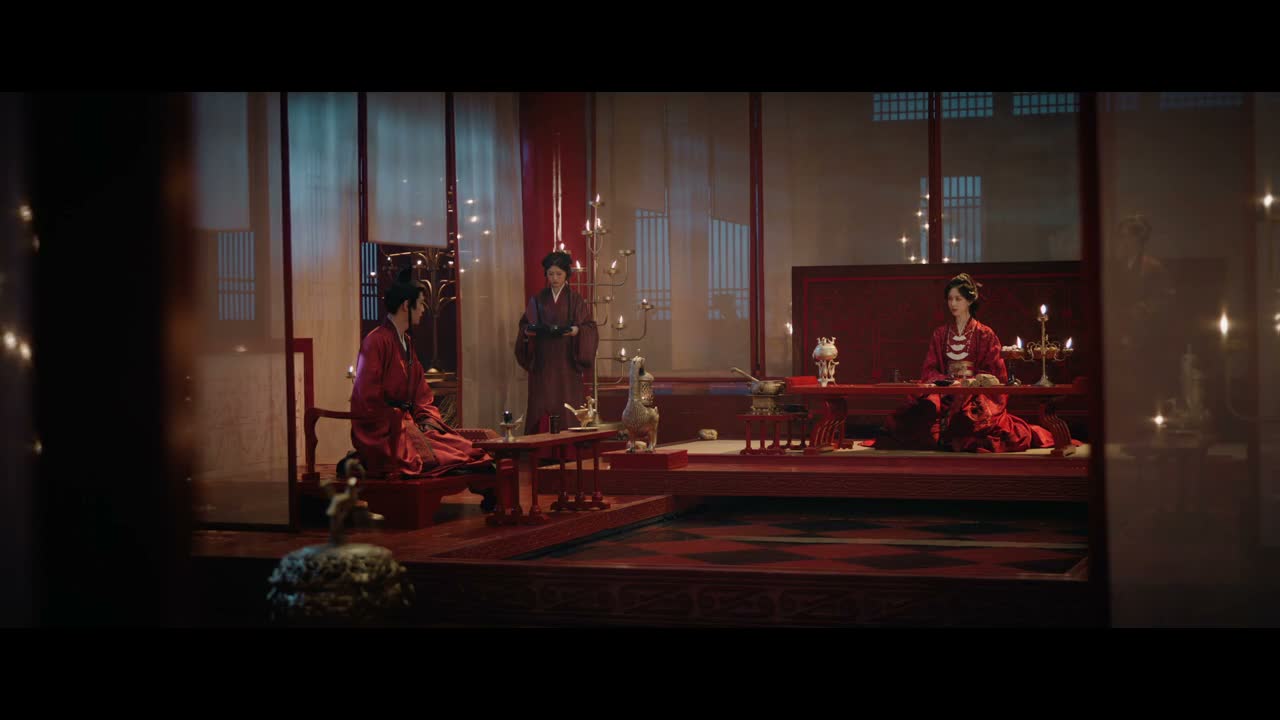
“Are you truly happy to see this happen?”
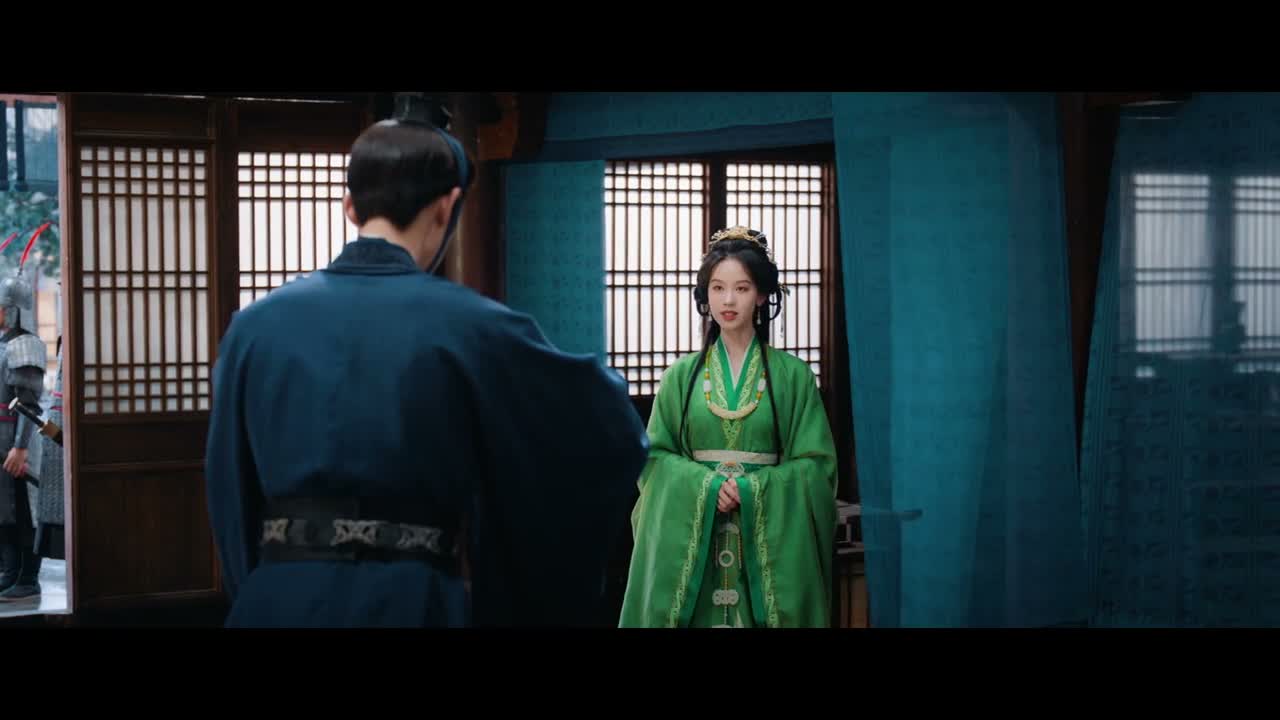
“Yanfang, your health comes first. There's no need for such formalities.”
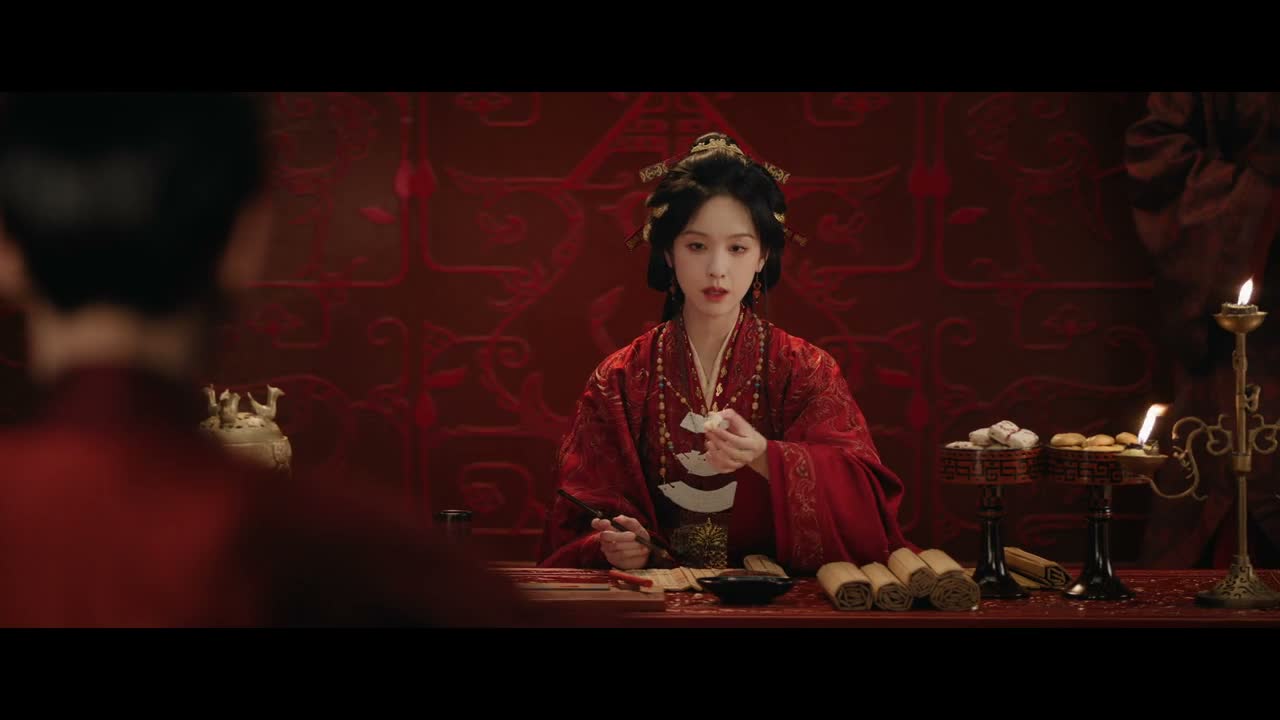
“Yanfang, is your health improving? Take a seat.”
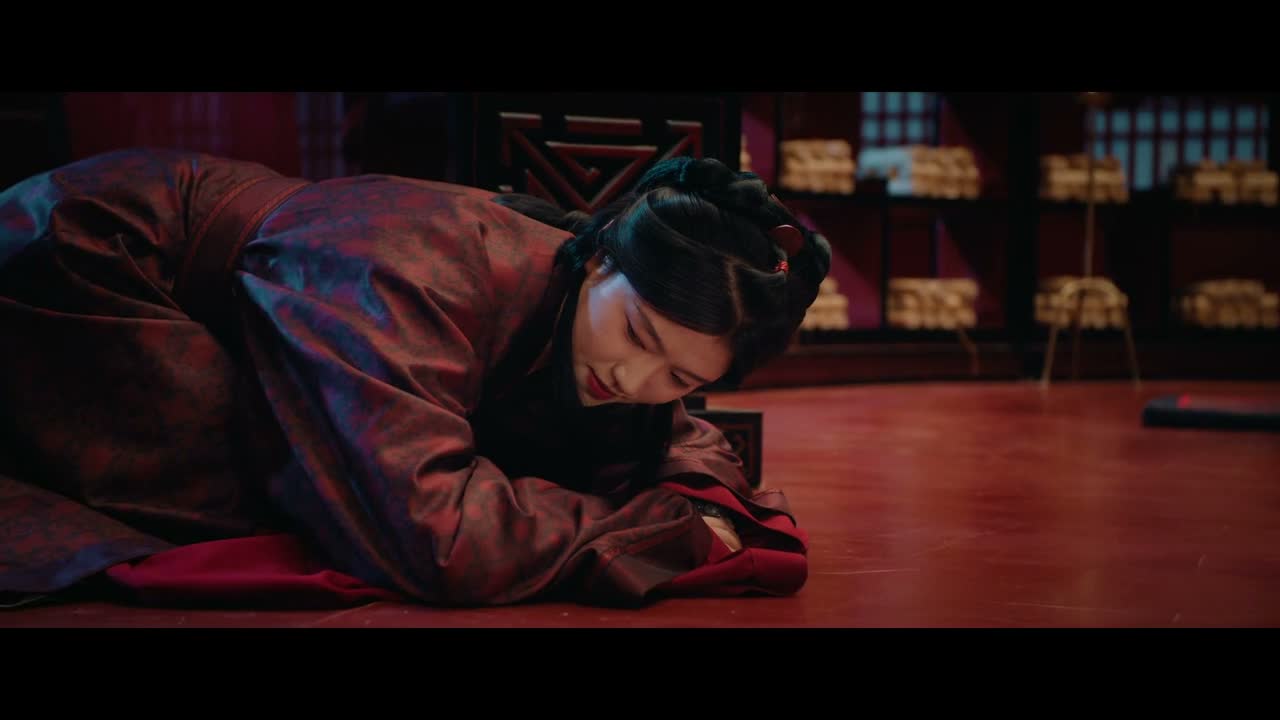
“Just as Young Master Yanfang expected.”