MC
MandarinClips Cinema Corpus
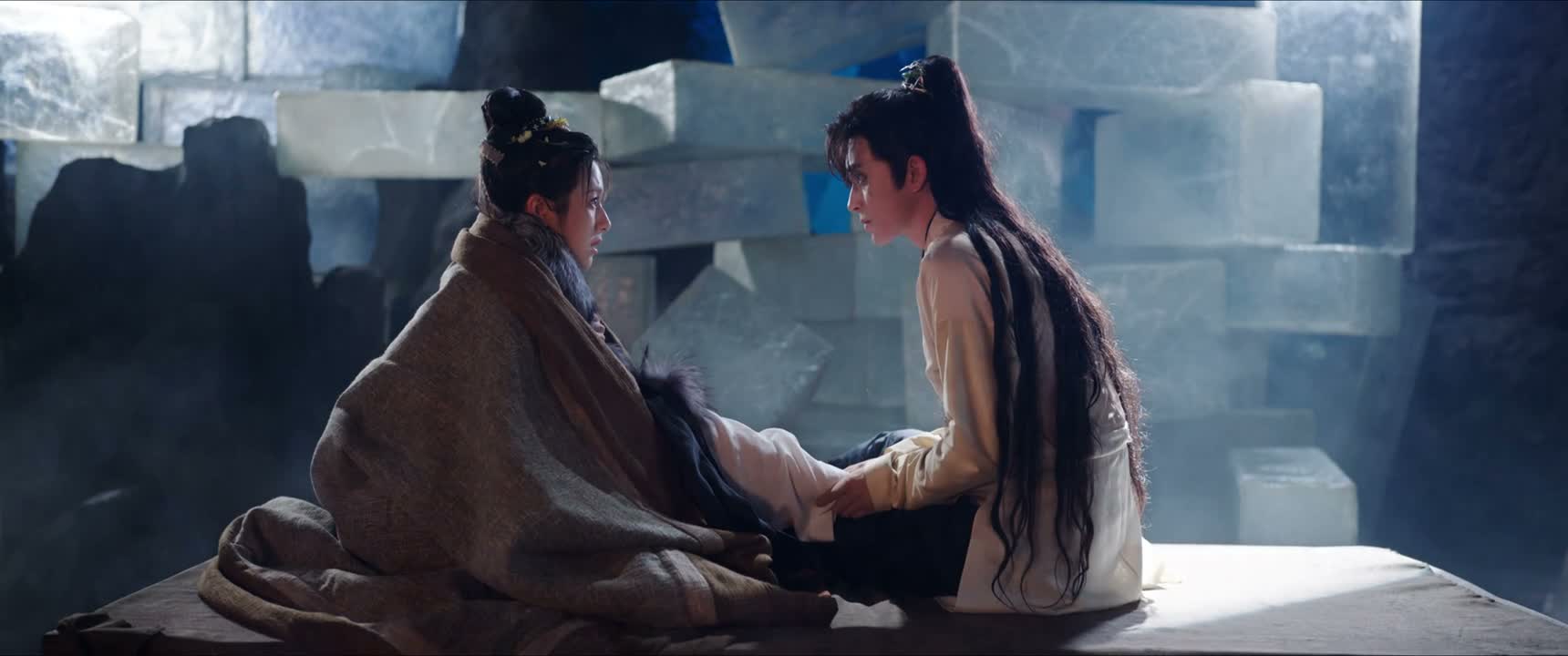
《Echoes of a Thousand Moons》 S1·E34 (42:25) HSK 1
nǐ gàn shén me ne gěi wǒ zuò hǎo le

你 干什么呢 给我坐好了

“What are you doing? Sit properly.”

《Echoes of a Thousand Moons》 S1·E34
TIMECODE: 42:25 · 1080P MASTER AUDIO

THE DIALOGUE REEL

1+1+1 SPOKEN CONTINUITY
[-1] PREVIOUS TURN cā cā shǒu

擦擦手

“Wipe your hands.”

nǐ gàn shén me ne gěi wǒ zuò hǎo le CURRENT FOCUS

你 干什么呢 给我坐好了

“What are you doing? Sit properly.”

[+1] FOLLOW-UP TURN hēi gē shuō nǐ ne

黑哥 说你呢

“Brother Hei, I'm talking to you.”

Subtitles synced to millisecond timecode Browse Show Clips →
Scene: Daily Life
Function: REPRIMANDING
Tone: COMMANDING
Emotion: ANNOYANCE
WHAT THEY REALLY MEAN (PRAGMATIC SUBTEXT)

Direct spoken expression in this communicative setting.

💡 Cultural Insight: Imperative 'Gei Wo' (Disciplinary Authority)

Adding 'gei wo' (literally 'for me') to an order reflects senior status or familiarity, framing non-compliance as personal disrespect.

INTENT TAGS: #reprimand #command #discipline #impatience
🧩

LEARNING CHUNKS & PARTICLES

2 CHUNKS · 2 PARTICLES
干什么呢 SPOKEN CHUNK

what are you doing?

A frequent spoken phrase often used with an accusatory or questioning tone to stop undesirable behavior.

给我坐好了 SPOKEN CHUNK

sit down properly for me

Using 'gei wo' before an imperative adds a strong, authoritative, and impatient edge to the command.

Modal Particle「呢」 (ne) CHANGE OF STATE

Marks an ongoing action while carrying an inquiring, slightly confrontational tone.

Modal Particle「了」 (le) CHANGE OF STATE

Used after the resultative complement 'hao' to express an imperative requirement for reaching a proper state.
🏮

VOCABULARY & EXPRESSIONS

2 EXPR · 0 GRAMMAR
CROSS-CINEMA CORPUS BOARD · PARALLEL SCENES

Parallel Spoken Cinema Scenes (语义近邻切片)

EXPLORE BY SEMANTIC SIMILARITY
《Echoes of a Thousand Moons》 S1·E34 (42:25) · Authentic Cinema Dialogue Corpus