MC
MandarinClips Cinema Corpus
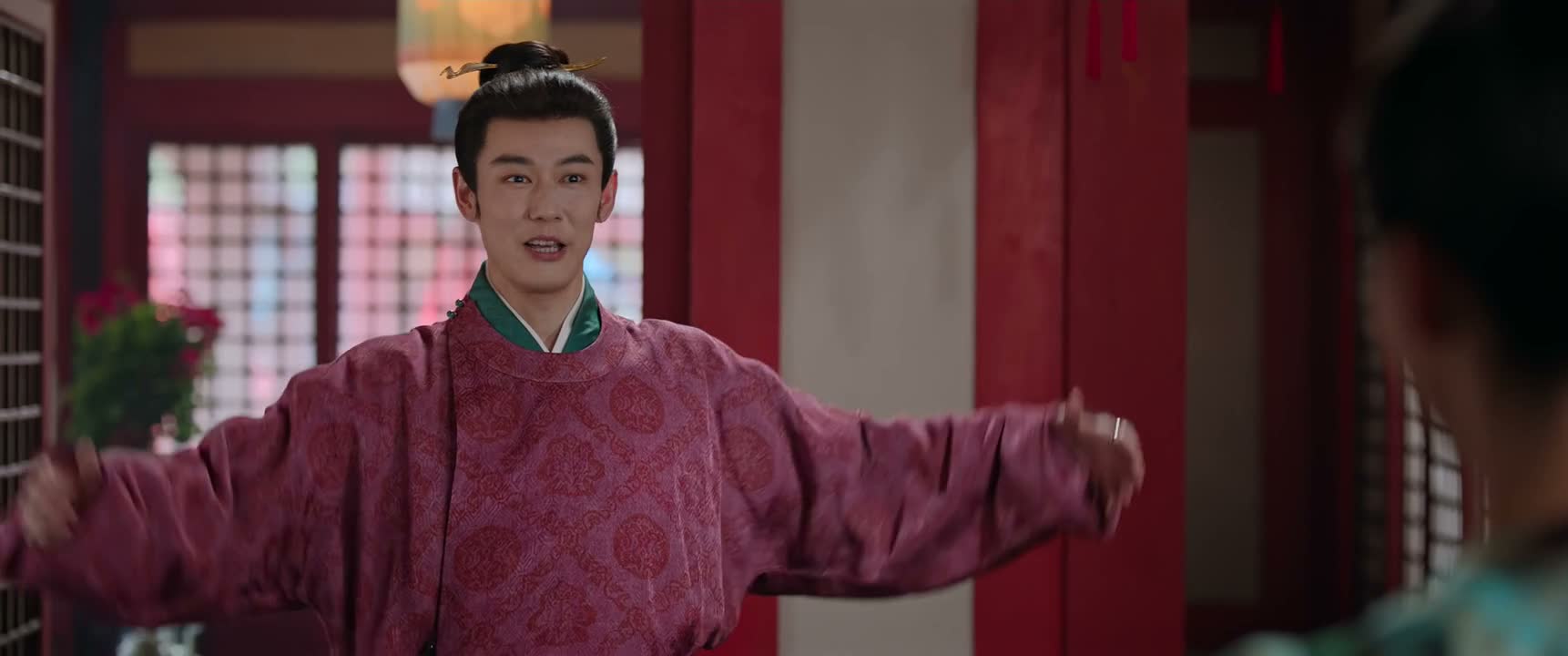
《Echoes of a Thousand Moons》 S1·E34 (09:39) HSK 7
xiè lǎo dì jiǔ wéi le jiǔ wéi le

谢老弟 久违了 久违了

“Xie, it's been a while.”

《Echoes of a Thousand Moons》 S1·E34
TIMECODE: 09:39 · 1080P MASTER AUDIO

THE DIALOGUE REEL

1+1+1 SPOKEN CONTINUITY
[-1] PREVIOUS TURN jì shān xiōng hǎo jiǔ bú jiàn

“Jishan, long time no see.”

xiè lǎo dì jiǔ wéi le jiǔ wéi le CURRENT FOCUS

谢老弟 久违了 久违了

“Xie, it's been a while.”

[+1] FOLLOW-UP TURN hǎo nǐ qǐng zuò a nín máng

好 你请坐啊 您忙

“Good. Please have a seat. Go ahead.”

Subtitles synced to millisecond timecode Browse Show Clips →
Scene: Social & Dating
Function: POLITE GREETING
Tone: COURTEOUS
Emotion: WARMTH
WHAT THEY REALLY MEAN (PRAGMATIC SUBTEXT)

Direct spoken expression in this communicative setting.

💡 Cultural Insight: Pseudo-kinship Terms of Respect

Using terms like 'elder brother' (兄) and 'younger brother' (弟) among adult men establishes respectful warmth and social hierarchy without literal kinship.

INTENT TAGS: #greeting #courtesy #rapport_building #respect
🧩

LEARNING CHUNKS & PARTICLES

2 CHUNKS · 1 PARTICLES
久违了 SPOKEN CHUNK

long time no see; I have not seen you for ages

A refined, traditional greeting used among acquaintances, colleagues, or respected peers.

老弟 SPOKEN CHUNK

younger brother (honorific/familiar address for a slightly younger male peer)

Used warmly between male friends or colleagues to show closeness while maintaining seniority.

Modal Particle「了」 (le) CHANGE OF STATE

Functions as a sentence-final particle signaling a change of state or emphasizing the prolonged duration.
🏮

VOCABULARY & EXPRESSIONS

1 EXPR · 0 GRAMMAR
COLLOQUIAL EXPRESSIONS:
CROSS-CINEMA CORPUS BOARD · PARALLEL SCENES

Parallel Spoken Cinema Scenes (语义近邻切片)

EXPLORE BY SEMANTIC SIMILARITY
《Echoes of a Thousand Moons》 S1·E34 (09:39) · Authentic Cinema Dialogue Corpus