MC
MandarinClips Cinema Corpus
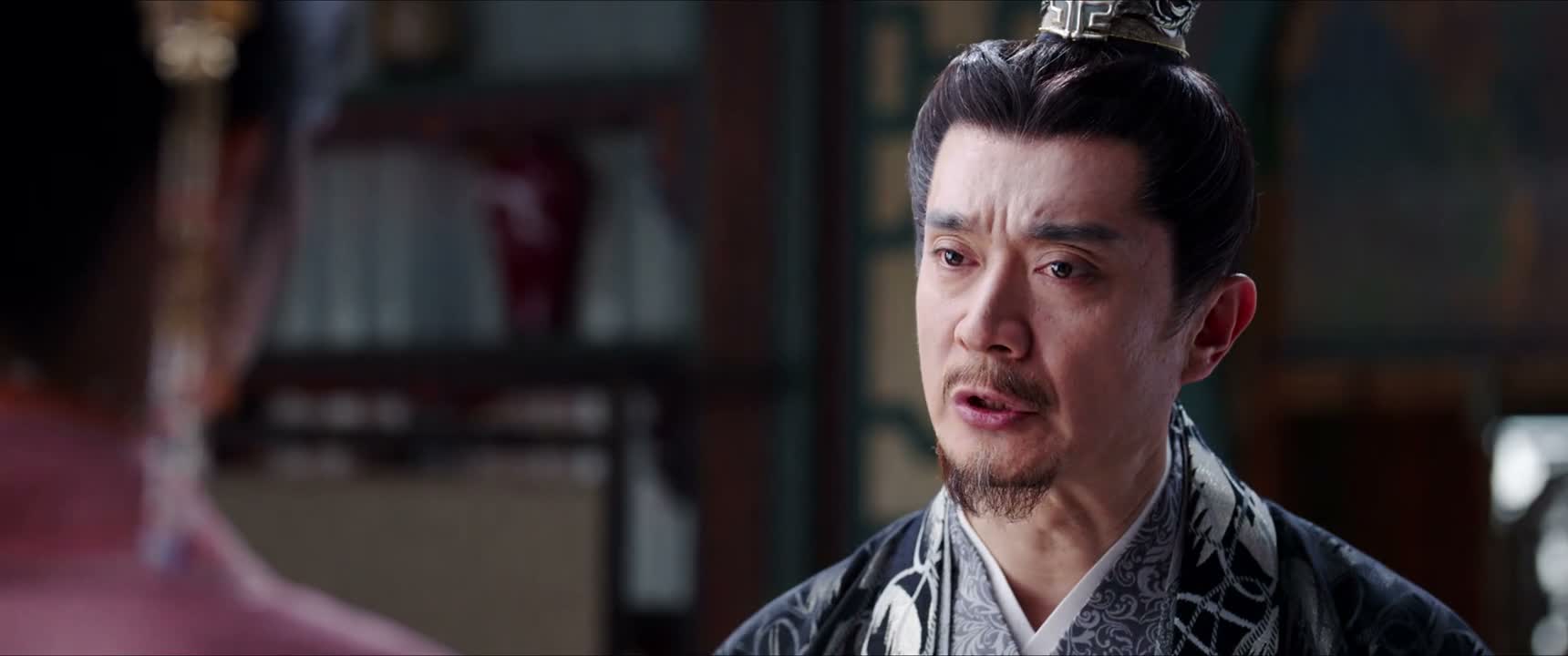
《Light to the Night》 S1·E16 (34:05) HSK 5
dào dǐ chū shén me shì le ? gǎn jǐn shuō ya

到底出什么事了?赶紧说呀

“What happened? Just tell me.”

《Light to the Night》 S1·E16
TIMECODE: 34:05 · 1080P MASTER AUDIO

THE DIALOGUE REEL

1+1+1 SPOKEN CONTINUITY
[-1] PREVIOUS TURN shì

是

“Yes.”

dào dǐ chū shén me shì le ? gǎn jǐn shuō ya CURRENT FOCUS

到底出什么事了 ? 赶紧说 呀

“What happened? Just tell me.”

[+1] FOLLOW-UP TURN xiǎo hé

晓荷

“Xiaohe”

Subtitles synced to millisecond timecode Browse Show Clips →
Scene: Crisis & Conflict
Function: DEMANDING EXPLANATION
Tone: URGENT
Emotion: ANXIETY
WHAT THEY REALLY MEAN (PRAGMATIC SUBTEXT)

Direct spoken expression in this communicative setting.

💡 Cultural Insight: Hesitation in Delivering Bad News

In Chinese communication, bad news is often withheld or prefaced with hesitation, prompting interlocutors to impatiently demand clarity with phrases like '到底出什么事了'.

INTENT TAGS: #urging #demanding_truth #anxiety #emergency
🧩

LEARNING CHUNKS & PARTICLES

3 CHUNKS · 2 PARTICLES
到底 SPOKEN CHUNK

on earth; after all; in the end

Placed before interrogatives to convey intense curiosity, urgency, or exasperation.

出什么事了 SPOKEN CHUNK

what went wrong; what happened

The most common conversational phrase to ask about sudden accidents, problems, or disruptions.

赶紧 SPOKEN CHUNK

hurry up and; quickly

Used to urge prompt action without wasting any time.

Modal Particle「呀」 (ya) CHANGE OF STATE

Softens the raw imperative tone while simultaneously emphasizing emotional urgency.

Modal Particle「了」 (le) CHANGE OF STATE

Indicates a completed change of state or sudden new occurrence in the question.
🏮

VOCABULARY & EXPRESSIONS

2 EXPR · 0 GRAMMAR
CROSS-CINEMA CORPUS BOARD · PARALLEL SCENES

Parallel Spoken Cinema Scenes (语义近邻切片)

EXPLORE BY SEMANTIC SIMILARITY
《Light to the Night》 S1·E16 (34:05) · Authentic Cinema Dialogue Corpus