- 走啊 - 没油了 怎么走啊?
“Drive. We're out of gas. We're not going anywhere.”
THE DIALOGUE REEL
怎么了?
“What's wrong?”
- 走啊 - 没油了 怎么走 啊 ?
“Drive. We're out of gas. We're not going anywhere.”
- 走不了了? - 没油了
“- No? - Out of gas.”
“Stop rushing me, can't you see the car has no gas?!”
Using '怎么...' as a rhetorical retort is a common way in spoken Chinese to counter an unreasonable or impossible demand with sharp exasperation.
LEARNING CHUNKS & PARTICLES
let's go! / move!
Used as an urgent or impatient prompt urging someone to leave or drive.
out of gas / out of fuel
Common expression indicating an empty fuel tank.
how can we possibly go?
Rhetorical question expressing impossibility and frustration.
Conveys exasperation and rhetorical disbelief at being told to drive without gas.
Marks a completed change of state, indicating the fuel has run out.
VOCABULARY & EXPRESSIONS
Parallel Spoken Cinema Scenes (语义近邻切片)

“Come on. Are you coming or not?”

“Come on. Let's go. They're closing.”
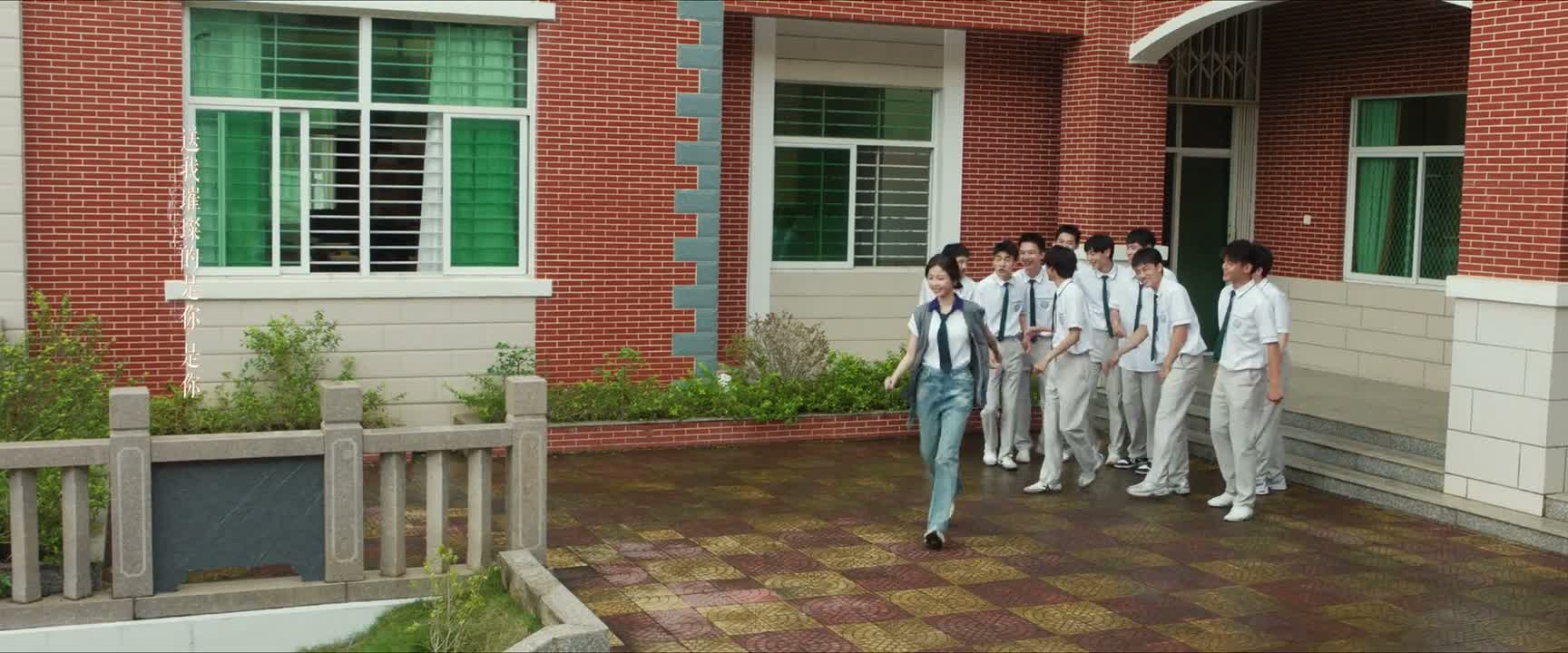
“-Let's go. -Let's go. Let's go. ♪ It was you who gave me this brilliance ♪”

“Go, go”

“Go, go!”

“I'll be going now. You guys should remain here.”