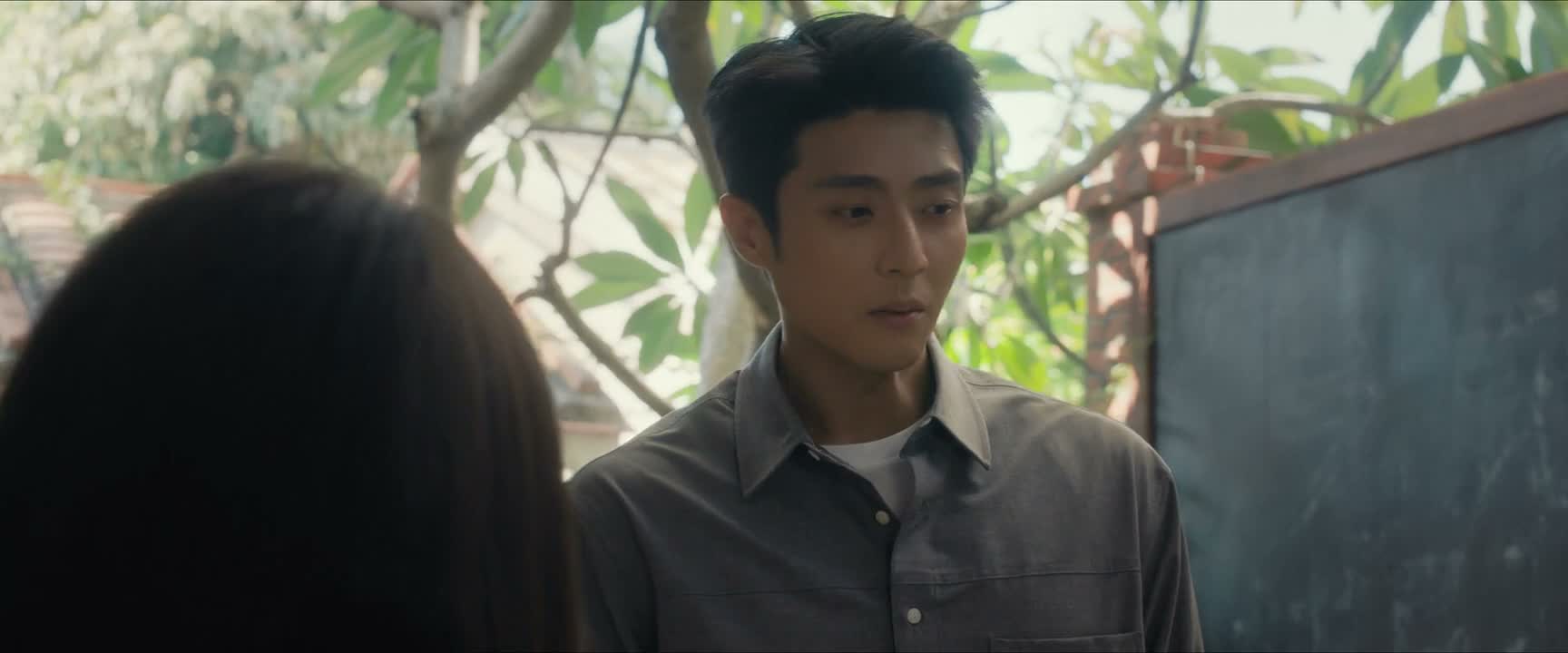
皮亮呢 批评他了 他也解释了
“We've criticized Pi Liang. He also explained”
THE DIALOGUE REEL
忆秦娥同志 我今天就是代表团上呢 来向你道个歉
“Comrade Yi Qin'e, I'm here representing the troupe today to apologize to you.”
皮亮呢 批评他了 他也 解释 了
“We've criticized Pi Liang. He also explained”
“that he drank too much last night and was still drunk this morning, so he caused trouble in the practice room.”
“We already scolded him, so please let it go and don't make a bigger fuss.”
In Chinese work units (danwei), leaders or representatives often intervene informally to pacify interpersonal conflicts and maintain group harmony.
LEARNING CHUNKS & PARTICLES
criticized him / reprimanded him
Commonly used in institutional or workplace contexts to denote an official scolding or verbal discipline.
he also explained himself
Used to soften a mistake by showing that the offender had a justification or rationale.
Marks Pi Liang as the topic under discussion, pausing slightly to draw attention.
Indicates completed actions, showing that disciplinary measures have already been enacted.
VOCABULARY & EXPRESSIONS
Parallel Spoken Cinema Scenes (语义近邻切片)

“Pi Liang, don't do anything stupid. Don't you dare touch her.”

“Pi Liang? - I won't leave! - Don't know him. I'll just annoy you.”

“Pi Liang is a much bigger target. Just relax.”

“Guarding against Pi Liang. You? Playing security?”

“- Master Pi! - Pi Liang! Where are you going?”
“You can still joke around. It seems you're not really out of energy.”