MC
MandarinClips Cinema Corpus
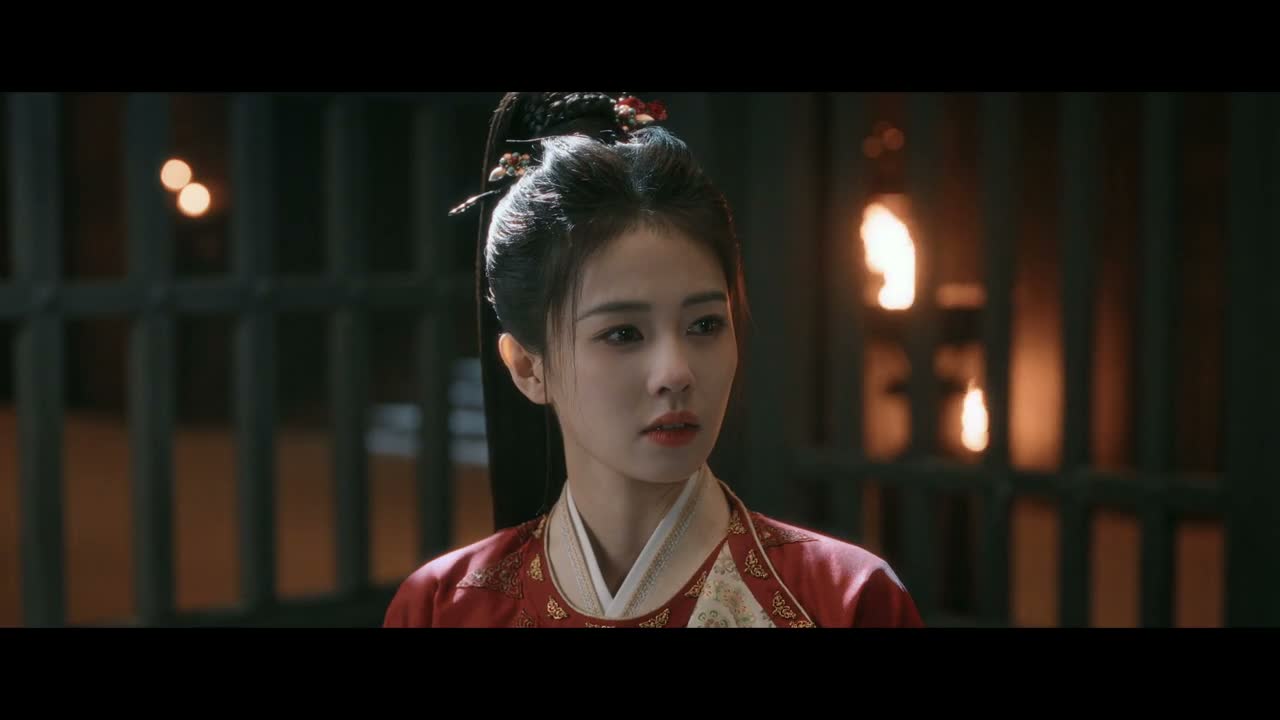
《The Lead》 S1·E31 (39:50) HSK 4
shuō tā zuó tiān wǎn shàng hē duō le jīn tiān zǎo shàng jiǔ hái méi xǐng ne suǒ yǐ ne

说他昨天晚上喝多了 今天早上酒还没醒呢 所以呢

“that he drank too much last night and was still drunk this morning, so he caused trouble in the practice room.”

《The Lead》 S1·E31
TIMECODE: 39:50 · 1080P MASTER AUDIO

THE DIALOGUE REEL

1+1+1 SPOKEN CONTINUITY
[-1] PREVIOUS TURN pí liàng ne pī píng tā le tā yě jiě shì le

“We've criticized Pi Liang. He also explained”

shuō tā zuó tiān wǎn shàng hē duō le jīn tiān zǎo shàng jiǔ hái méi xǐng ne suǒ yǐ ne CURRENT FOCUS

说他昨天晚上 喝多了 今天 早上酒 还没 醒 呢 所以呢

“that he drank too much last night and was still drunk this morning, so he caused trouble in the practice room.”

[+1] FOLLOW-UP TURN dào liàn gōng fáng qù gěi nǐ dǎo luàn le

到练功房去给你捣乱了

“so he caused trouble in the practice room.”

Subtitles synced to millisecond timecode Browse Show Clips →
Scene: Workplace
Function: RELAYING EXPLANATION
Tone: GOSSIPY
Emotion: ANNOYANCE
WHAT THEY REALLY MEAN (PRAGMATIC SUBTEXT)
“Listen to the ridiculous excuse he gave for making trouble.”
💡 Cultural Insight: Drinking Culture and Excuses

In Chinese social and professional life, excessive drinking is often cited as a mitigating excuse for inappropriate or disruptive behavior.

INTENT TAGS: #relaying #explaining #prompting #gossiping
🧩

LEARNING CHUNKS & PARTICLES

2 CHUNKS · 1 PARTICLES
喝多了 SPOKEN CHUNK

drank too much / got drunk

A common colloquial euphemism for being intoxicated.

酒还没醒 SPOKEN CHUNK

still haven't sobered up

Used to describe someone who is still feeling the effects of alcohol or hungover.

Modal Particle「呢」 (ne) CHANGE OF STATE

Highlights an ongoing state in the first clause and signals a rhetorical pause prompting the listener in '所以呢'.

🏮

VOCABULARY & EXPRESSIONS

4 EXPR · 1 GRAMMAR
CROSS-CINEMA CORPUS BOARD · PARALLEL SCENES

Parallel Spoken Cinema Scenes (语义近邻切片)

EXPLORE BY SEMANTIC SIMILARITY
《The Lead》 S1·E31 (39:50) · Authentic Cinema Dialogue Corpus