MC
MandarinClips Cinema Corpus
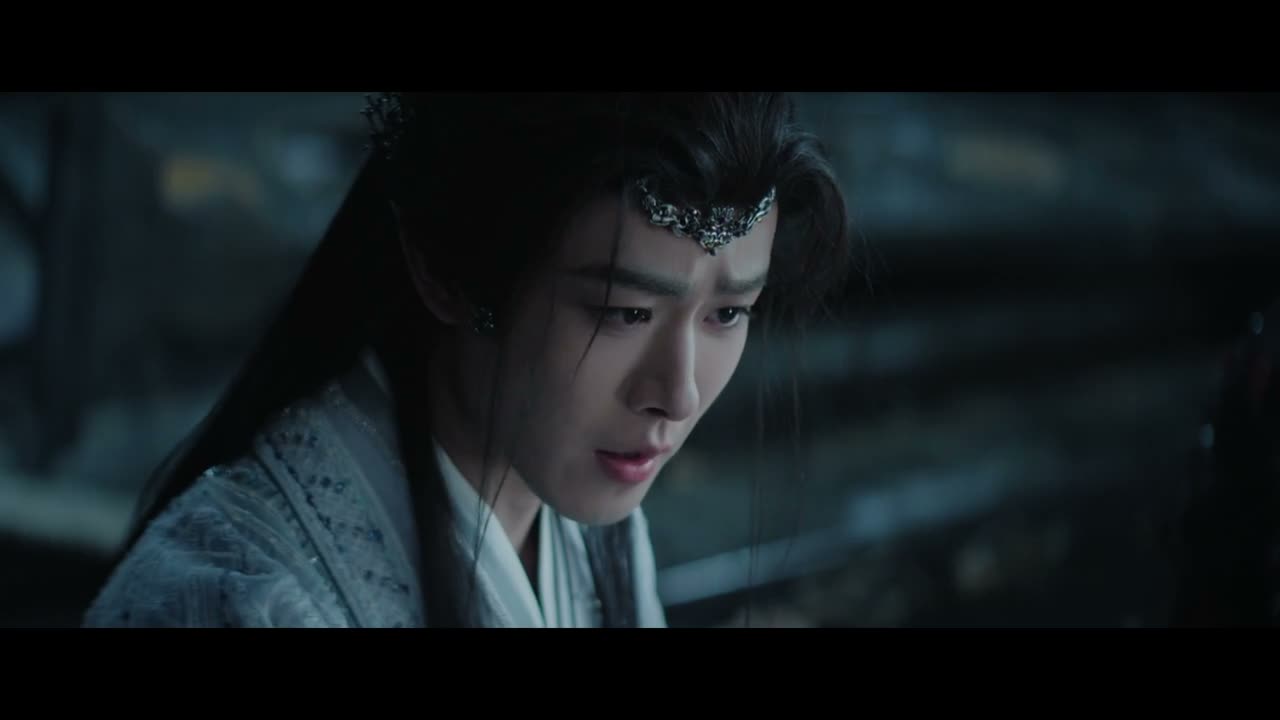
《Generation to Generation》 S1·E18 (25:20) HSK 5
nǐ bú jì dé dì gōng zhōng suǒ jiàn le ma

你不记得地宫中所见了吗

“Have you forgotten what we saw in the underground palace?”

《Generation to Generation》 S1·E18
TIMECODE: 25:20 · 1080P MASTER AUDIO

THE DIALOGUE REEL

1+1+1 SPOKEN CONTINUITY
[-1] PREVIOUS TURN hài pà bèi zé bèi

害怕被责备

“afraid of being blamed.”

nǐ bú jì dé dì gōng zhōng suǒ jiàn le ma CURRENT FOCUS

你 不记得 地宫中所见 了吗

“Have you forgotten what we saw in the underground palace?”

[+1] FOLLOW-UP TURN mù dōng liè hé luó shī yún dōu néng pò chú wàn nán

“Mu Donglie and Luo Shiyun could overcome countless hardships.”

Subtitles synced to millisecond timecode Browse Show Clips →
Scene: Crisis & Conflict
Function: ENCOURAGING
Tone: INSPIRING
Emotion: EARNESTNESS
WHAT THEY REALLY MEAN (PRAGMATIC SUBTEXT)
“Snap out of your fear; we've seen proof that adversity can be overcome!”
💡 Cultural Insight: Inspiring Through Shared Trials

In Chinese storytelling and relationship dynamics, enduring life-and-death hardships together forms a vital moral bond used to rally partners against subsequent fears.

INTENT TAGS: #reminding #rallying #encouragement #reproach
🧩

LEARNING CHUNKS & PARTICLES

2 CHUNKS · 2 PARTICLES
你不记得...了吗 SPOKEN CHUNK

Don't you remember...?

A rhetorical question pattern used to jog someone's memory and challenge their current defeatist attitude.

所见 SPOKEN CHUNK

that which was seen; what one witnessed

A semi-formal structural phrase combining '所' and the verb '见' meaning 'what was observed'.

Modal Particle「了」 (le) CHANGE OF STATE

Indicates a completed state or change in knowledge regarding what was experienced.

Modal Particle「吗」 (ma) CHANGE OF STATE

Turns the statement into a rhetorical question to prompt reflection.
🏮

VOCABULARY & EXPRESSIONS

1 EXPR · 8 GRAMMAR
CROSS-CINEMA CORPUS BOARD · PARALLEL SCENES

Parallel Spoken Cinema Scenes (语义近邻切片)

EXPLORE BY SEMANTIC SIMILARITY
《Generation to Generation》 S1·E18 (25:20) · Authentic Cinema Dialogue Corpus