MC
MandarinClips Cinema Corpus
《Light to the Night》 S1·E12 (19:09) HSK 3
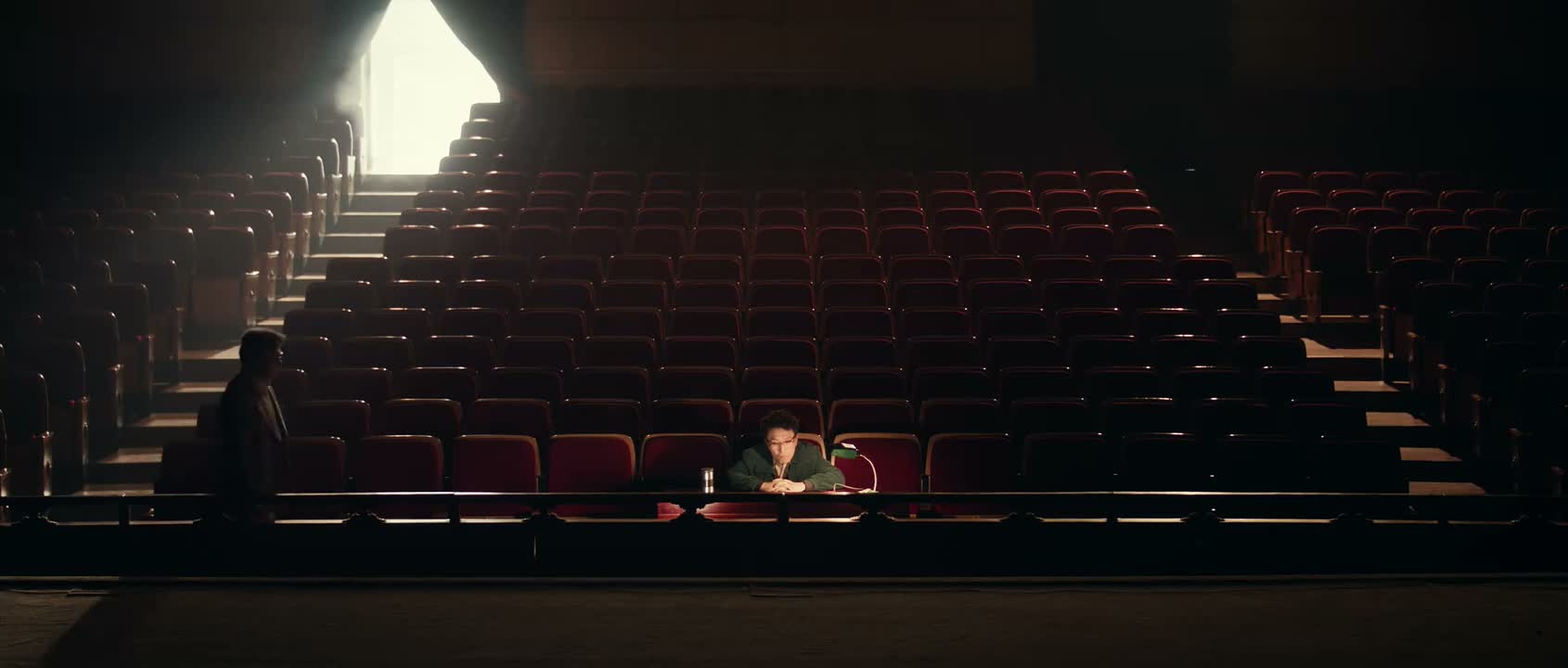
zěn me yí gè rén zuò zhè ér a ? qí tā rén ne ?

怎么一个人坐这儿啊? 其他人呢?

“why are you sitting here alone? Where is everyone else?”

《Light to the Night》 S1·E12
TIMECODE: 19:09 · 1080P MASTER AUDIO

THE DIALOGUE REEL

1+1+1 SPOKEN CONTINUITY
[-1] PREVIOUS TURN xiǎo hé

晓荷

“Xiaohe,”

zěn me yí gè rén zuò zhè ér a ? qí tā rén ne ? CURRENT FOCUS

怎么一个人坐这儿 啊 ? 其 他人呢 ?

“why are you sitting here alone? Where is everyone else?”

[+1] FOLLOW-UP TURN zěn me le ?

怎么了?

“What's wrong?”

Subtitles synced to millisecond timecode Browse Show Clips →
Scene: Social & Dating
Function: SHOWING CONCERN
Tone: CARING
Emotion: CONCERN
WHAT THEY REALLY MEAN (PRAGMATIC SUBTEXT)
“Are you alright? You look isolated and upset.”
💡 Cultural Insight: Relational Attunement (察言观色)

Noticing someone sitting alone at a gathering is often seen as a subtle cue of social distress or sadness, prompting close peers to proactively check in.

INTENT TAGS: #inquiry #showing_concern #care #icebreaking
🧩

LEARNING CHUNKS & PARTICLES

2 CHUNKS · 2 PARTICLES
一个人坐这儿 SPOKEN CHUNK

sitting here all alone

Used as an observational opening to ask why a companion or friend is isolated from the group.

其他人呢 SPOKEN CHUNK

where is everyone else?

A straightforward way to ask for the whereabouts of the rest of a group or party.

Modal Particle「啊」 (a) CHANGE OF STATE

Softens the question, conveying warmth, casual friendliness, and genuine care rather than interrogation.

Modal Particle「呢」 (ne) CHANGE OF STATE

Forms an open-ended elliptical query asking about the status or location of others.
🏮

VOCABULARY & EXPRESSIONS

2 EXPR · 1 GRAMMAR
CROSS-CINEMA CORPUS BOARD · PARALLEL SCENES

Parallel Spoken Cinema Scenes (语义近邻切片)

EXPLORE BY SEMANTIC SIMILARITY
《Light to the Night》 S1·E12 (19:09) · Authentic Cinema Dialogue Corpus