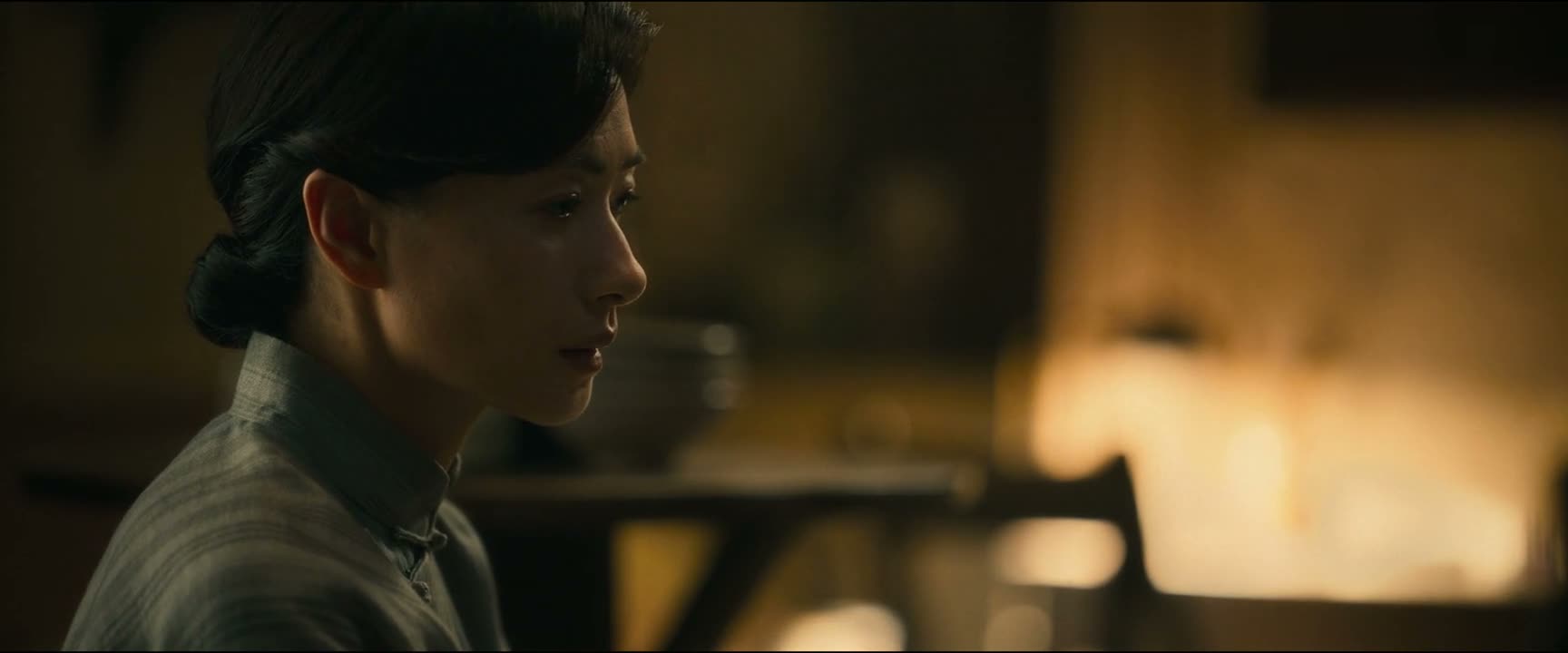
《The Knockout》 S1·E26 (37:30)
HSK 3
hǎo xiàng shì wǒ cuò le
好像是我错了
“that I made a mistake.”
《The Knockout》
S1·E26
TIMECODE: 37:30
·
1080P MASTER AUDIO
THE DIALOGUE REEL
[-1] PREVIOUS TURN
hòu lái wǒ fā xiàn
后来我发现
“Later I realized”
hǎo xiàng shì wǒ cuò le
CURRENT FOCUS
好像是 我错了
“that I made a mistake.”
[+1] FOLLOW-UP TURN
gāo qǐ qiáng nǐ cóng lái jiù méi yǒu biàn
“Gao Qiqiang, you have never changed.”
Subtitles synced to millisecond timecode
Browse Show Clips →
Scene:
Crisis & Conflict
Function:
ADMITTING MISTAKE
Tone:
RESIGNED
Emotion:
DISAPPOINTMENT
WHAT THEY REALLY MEAN (PRAGMATIC SUBTEXT)
“I fooled myself into thinking you were capable of changing, but I was entirely wrong.”
💡 Cultural Insight: Conceding Misjudgment (认清现实)
Admitting 'I was wrong' in Chinese dramatic dialogue often signifies a painful breakdown of long-held trust rather than a mere factual apology.
INTENT TAGS:
#admission
#disillusionment
#hedging
#resignation
🧩
2 CHUNKS · 1 PARTICLES
LEARNING CHUNKS & PARTICLES
好像是
SPOKEN CHUNK
it seems like; appears to be
Used as an epistemic hedge to soften a realization or convey gradual disillusionment.
我错了
SPOKEN CHUNK
I was wrong / my mistake
Used to concede error, either genuinely or with bitter resignation.
Modal Particle「了」 (le)
CHANGE OF STATE
Indicates a newly realized change of state or updated mental assessment.
🏮
2 EXPR · 0 GRAMMAR
VOCABULARY & EXPRESSIONS
COLLOQUIAL EXPRESSIONS:
CROSS-CINEMA CORPUS BOARD · PARALLEL SCENES
EXPLORE BY SEMANTIC SIMILARITY
Parallel Spoken Cinema Scenes (语义近邻切片)

《The Knockout》 S1·E26 (37:30) · Authentic Cinema Dialogue Corpus