MC
MandarinClips Cinema Corpus
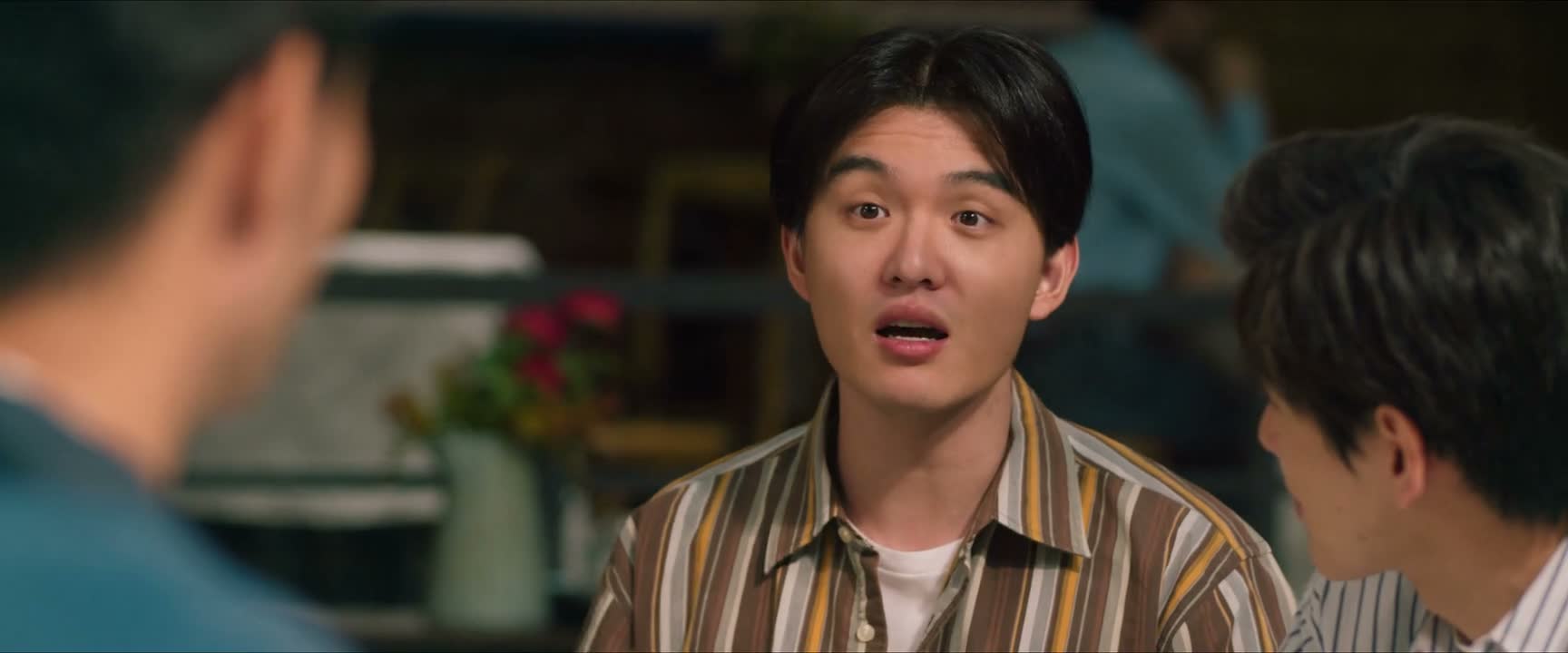
《The Knockout》 S1·E26 (24:38) HSK 7
nǐ zhī dào dǎ yú de rén zěn me shuō ma fēng làng yuè dà

你知道打鱼的人 怎么说吗 风浪越大

“Do you know what fishers usually say? With big waves”

《The Knockout》 S1·E26
TIMECODE: 24:38 · 1080P MASTER AUDIO

THE DIALOGUE REEL

1+1+1 SPOKEN CONTINUITY
[-1] PREVIOUS TURN nǐ wàng le wǒ yǐ qián mài yú de

“Have you forgotten that I used to sell fish?”

nǐ zhī dào dǎ yú de rén zěn me shuō ma fēng làng yuè dà CURRENT FOCUS

你知道 打鱼的人 怎么说 吗 风浪越大

“Do you know what fishers usually say? With big waves”

[+1] FOLLOW-UP TURN yú yuè guì

鱼越贵

“come expensive fishes.”

Subtitles synced to millisecond timecode Browse Show Clips →
Scene: Crisis & Conflict
Function: JUSTIFYING RISK
Tone: ASSERTIVE
Emotion: DETERMINATION
WHAT THEY REALLY MEAN (PRAGMATIC SUBTEXT)
“Danger does not frighten me; the higher the risk, the bigger the reward.”
💡 Cultural Insight: Underworld Pragmatism

Invoking humble working-class origins as a badge of ruthlessness reflects a gritty underworld ethos where surviving adversity justifies extreme gambles.

INTENT TAGS: #intimidation #risk_taking #assertiveness #rationalization
🧩

LEARNING CHUNKS & PARTICLES

2 CHUNKS · 1 PARTICLES
风浪越大 SPOKEN CHUNK

the rougher the waves get

Used idiomatically in modern popular culture to denote mounting crises, perils, or high-stakes turbulence.

打鱼的人 SPOKEN CHUNK

fishermen

A colloquial northern spoken phrasing for commercial fishers, often evoking gritty, hardscrabble origins.

Modal Particle「吗」 (ma) CHANGE OF STATE

Forms a rhetorical framing question that seizes control of the conversational turn.

🏮

VOCABULARY & EXPRESSIONS

3 EXPR · 0 GRAMMAR
CROSS-CINEMA CORPUS BOARD · PARALLEL SCENES

Parallel Spoken Cinema Scenes (语义近邻切片)

EXPLORE BY SEMANTIC SIMILARITY
《The Knockout》 S1·E26 (24:38) · Authentic Cinema Dialogue Corpus