要不咱们去那边坐坐 吃个便饭
“Why don't we go there and have a simple meal?”
THE DIALOGUE REEL
我经常去那儿喝茶吃饭
“I often go there for tea and food.”
要不咱们 去那边 坐坐 吃个便饭
“Why don't we go there and have a simple meal?”
我还不饿
“I'm not hungry yet.”
“Let's spend some time talking together; don't worry, it won't be a big hassle.”
Calling an invitation '便饭' (convenient/casual meal) is an essential Chinese politeness strategy that downplays hospitality costs and relieves the guest from feeling overly indebted.
LEARNING CHUNKS & PARTICLES
sit down for a while; spend some time
Verb reduplication softens the request and implies a relaxed, unhurried atmosphere.
have a simple, casual meal
A polite, modest social phrase used to invite someone to eat without making it sound like an imposing formal banquet.
VOCABULARY & EXPRESSIONS
Parallel Spoken Cinema Scenes (语义近邻切片)

“Come sit for a while. I won't sit. We have to go to my mom's.”

“why don't we eat first? We can talk while eating.”
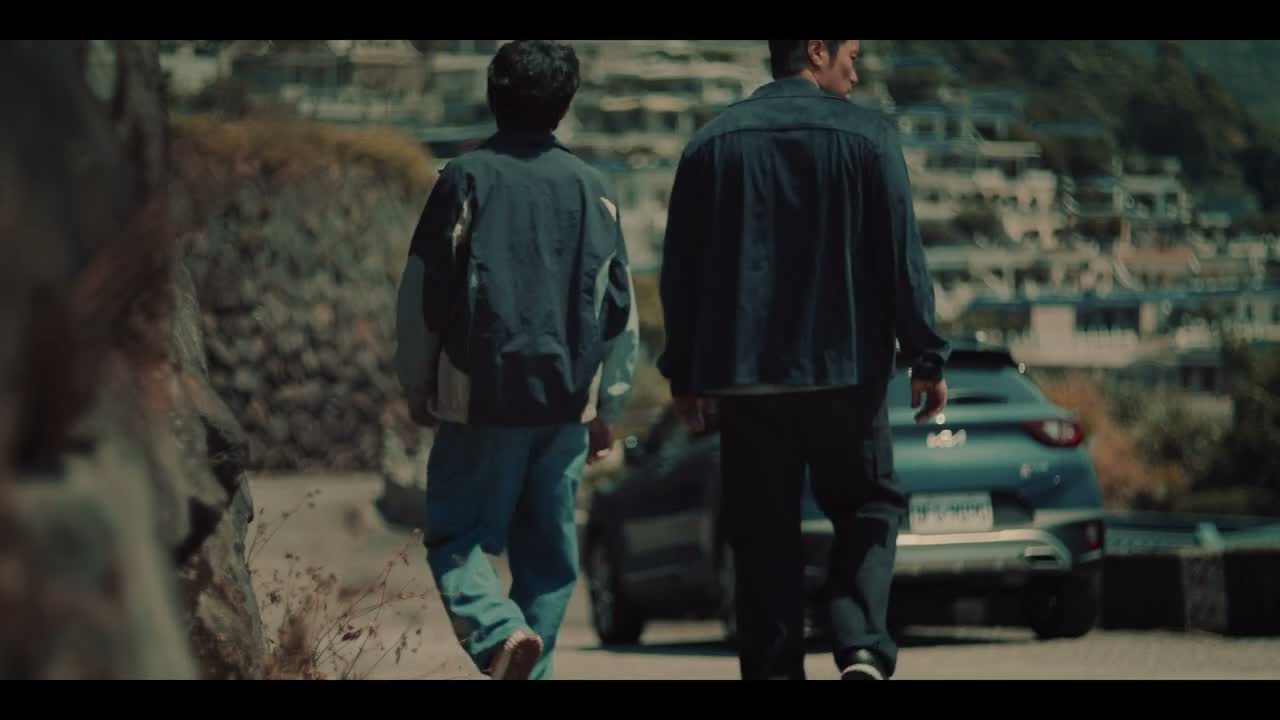
“- want a ride down the mountain? - No need. He's busy.”
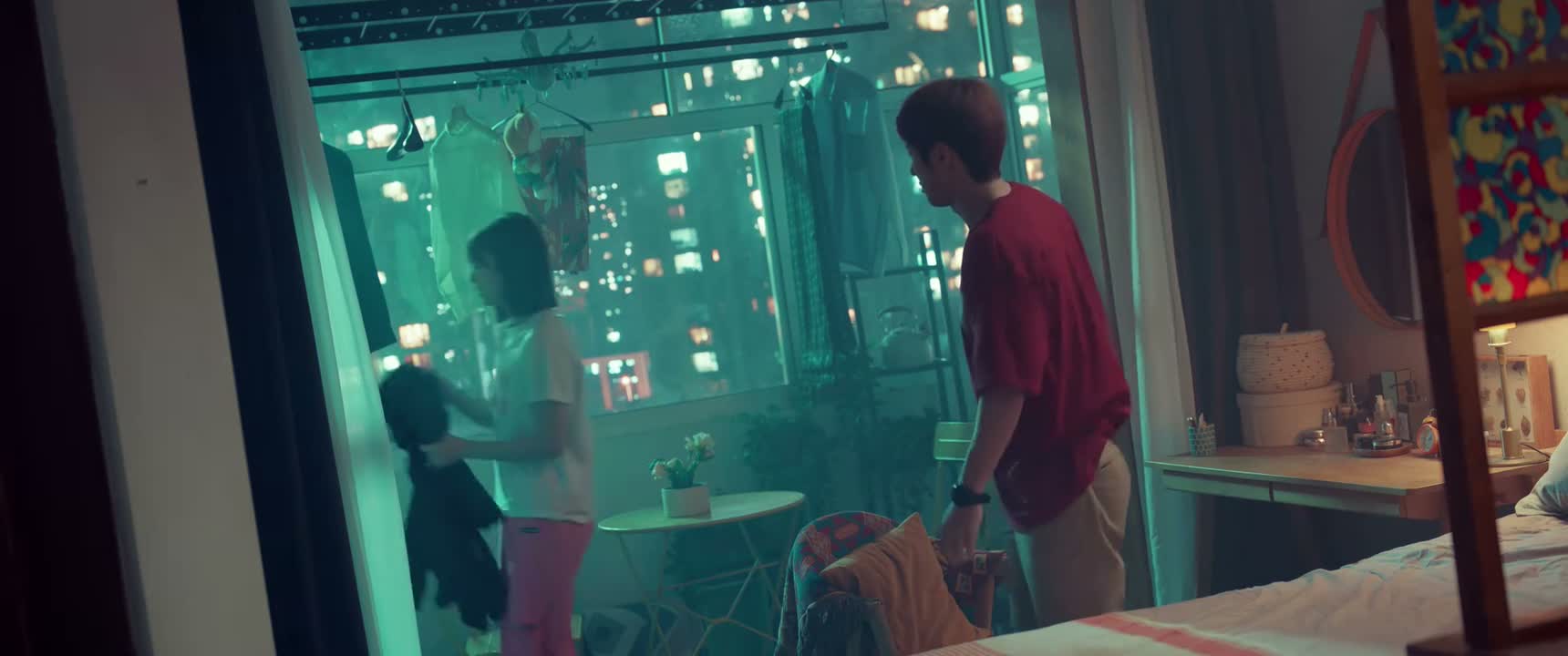
“Maybe we should eat first.”