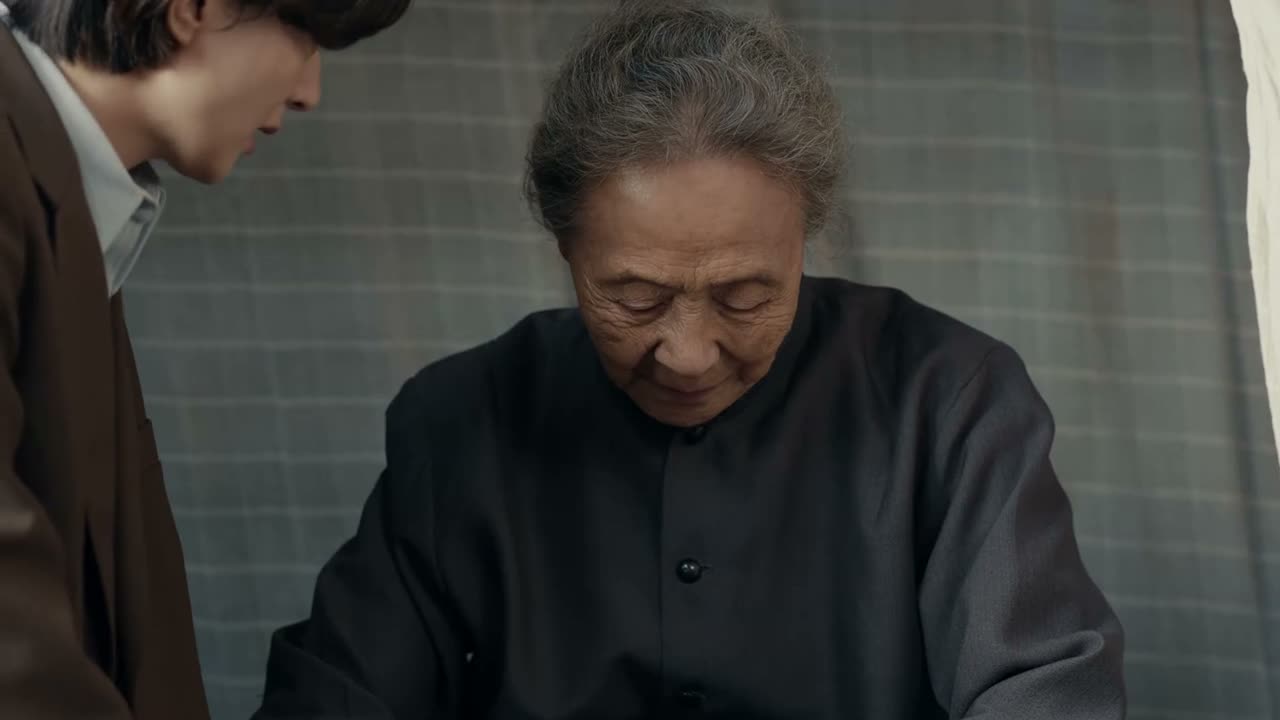
《Archives: The Nanyang Mystery》 S1·E13 (04:15)
HSK 4
wǒ dāng shí zěn me jiù méi zài chuán shàng kàn zhe tā
我当时怎么就没在船上看着他
“Why didn't I keep an eye on him on the ship?”
《Archives: The Nanyang Mystery》
S1·E13
TIMECODE: 04:15
·
1080P MASTER AUDIO
THE DIALOGUE REEL
[-1] PREVIOUS TURN
nǐ
你
“You...”
wǒ dāng shí zěn me jiù méi zài chuán shàng kàn zhe tā
CURRENT FOCUS
我当时 怎么就没 在船上 看着 他
“Why didn't I keep an eye on him on the ship?”
[+1] FOLLOW-UP TURN
xíng le
行了
“All right.”
Subtitles synced to millisecond timecode
Browse Show Clips →
Scene:
Crisis & Conflict
Function:
EXPRESSING REGRET
Tone:
SELF-REPROACHFUL
Emotion:
REMORSE
WHAT THEY REALLY MEAN (PRAGMATIC SUBTEXT)
“If only I had watched him, this disaster wouldn't have happened; it's all my fault.”
💡 Cultural Insight: Self-Blame in Duty-bound Roles
Expressing retrospective regret when a mission or colleague fails demonstrates a high sense of personal responsibility and accountability.
INTENT TAGS:
#self_reproach
#regret
#lament
#guilt
🧩
2 CHUNKS · 0 PARTICLES
LEARNING CHUNKS & PARTICLES
怎么就没
SPOKEN CHUNK
why on earth didn't... / how could I have failed to...
An emotive rhetorical structure used to vent disbelief or acute self-blame over an unforced error.
看着他
SPOKEN CHUNK
keep an eye on him / watch over him
Common everyday phrase meaning to monitor or guard someone to ensure safety or prevent escape.
🏮
2 EXPR · 0 GRAMMAR
VOCABULARY & EXPRESSIONS
COLLOQUIAL EXPRESSIONS:
CROSS-CINEMA CORPUS BOARD · PARALLEL SCENES
EXPLORE BY SEMANTIC SIMILARITY
Parallel Spoken Cinema Scenes (语义近邻切片)
《Archives: The Nanyang Mystery》 S1·E13 (04:15) · Authentic Cinema Dialogue Corpus