MC
MandarinClips Cinema Corpus
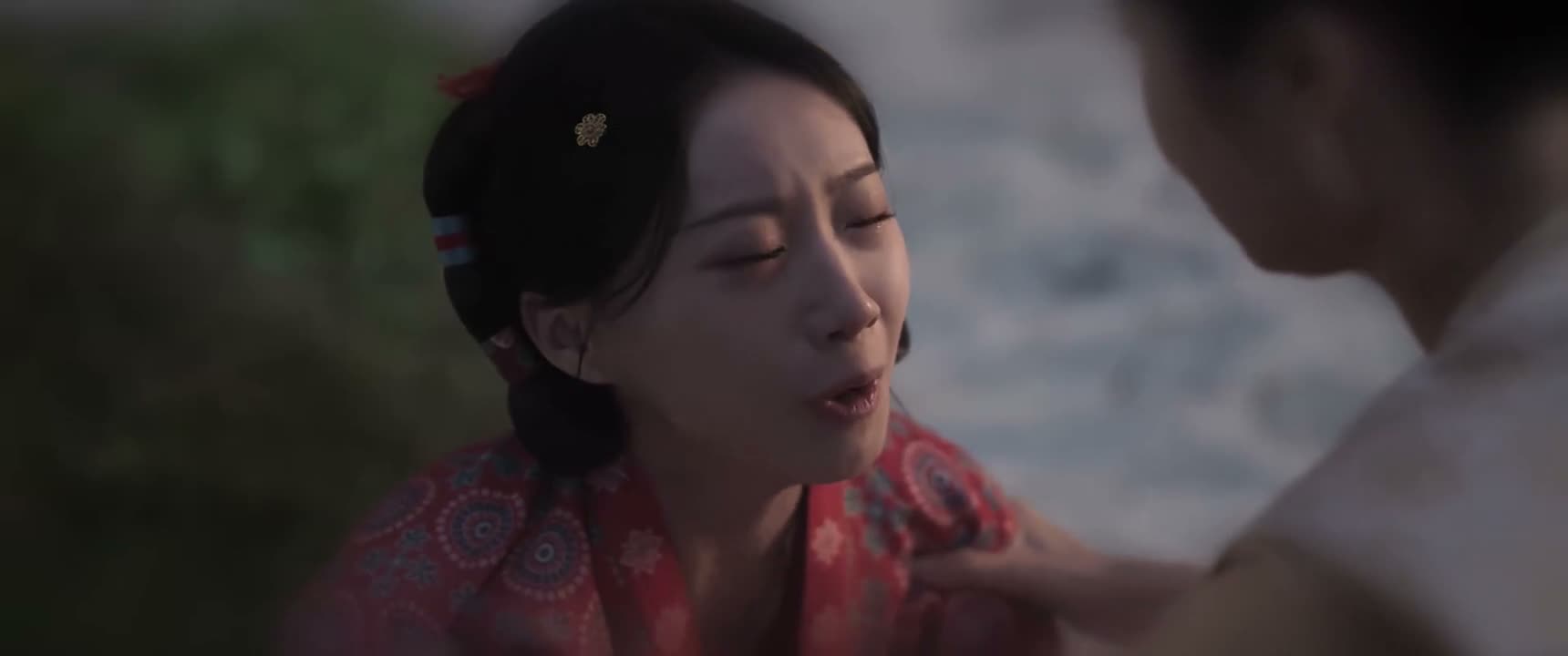
《Archives: The Nanyang Mystery》 S1·E13 (27:45) HSK 4
wǒ yǐ jīng huó dé tài jiǔ le

我已经活得太久了

“I have lived for way too long.”

《Archives: The Nanyang Mystery》 S1·E13
TIMECODE: 27:45 · 1080P MASTER AUDIO

THE DIALOGUE REEL

1+1+1 SPOKEN CONTINUITY
[-1] PREVIOUS TURN nǐ yào hǎo hǎo dì huó zhe

“You have to live well.”

wǒ yǐ jīng huó dé tài jiǔ le CURRENT FOCUS

我已经 活得太久 了

“I have lived for way too long.”

[+1] FOLLOW-UP TURN jìn tōng dào

进通道

“Into the tunnel.”

Subtitles synced to millisecond timecode Browse Show Clips →
Scene: Crisis & Conflict
Function: EXPRESSING RESIGNATION
Tone: SOLEMN
Emotion: SADNESS
WHAT THEY REALLY MEAN (PRAGMATIC SUBTEXT)
“Save yourself and leave me behind; my life no longer matters.”
💡 Cultural Insight: Altruistic Self-Sacrifice (舍己为人)

In Chinese storytelling, senior or weary figures often rationalise stepping aside or dying so the younger generation can carry the future.

INTENT TAGS: #self_sacrifice #resignation #farewell #persuasion
🧩

LEARNING CHUNKS & PARTICLES

1 CHUNKS · 1 PARTICLES
活得太久 SPOKEN CHUNK

to have lived too long

Often used in dramatic narratives to convey world-weariness, existential fatigue, or readiness to die.

Modal Particle「了」 (le) CHANGE OF STATE

Marks a completed change of state, highlighting the irreversible passage of time.

🏮

VOCABULARY & EXPRESSIONS

1 EXPR · 1 GRAMMAR
COLLOQUIAL EXPRESSIONS:
GRAMMAR BLUEPRINTS:
CROSS-CINEMA CORPUS BOARD · PARALLEL SCENES

Parallel Spoken Cinema Scenes (语义近邻切片)
EXPLORE BY SEMANTIC SIMILARITY
《Archives: The Nanyang Mystery》 S1·E13 (27:45) · Authentic Cinema Dialogue Corpus