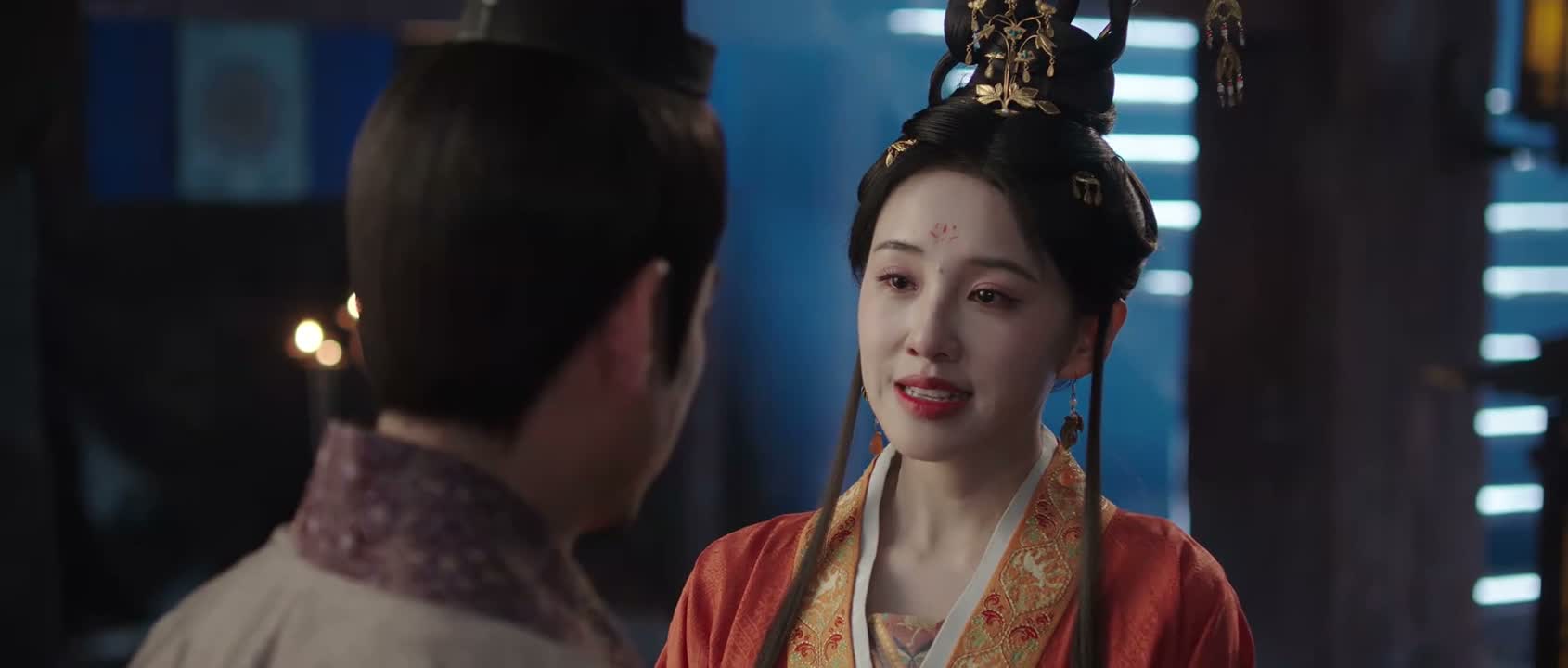
和烧我爹娘有什么关系啊 城里换了新神以后
“have to do with burning my parents? After the city started worshipping the new god,”
THE DIALOGUE REEL
可是这个峇来神会说话
“But what does this Balai Ancient God being able to talk”
和烧我爹娘 有什么关系啊 城里换了新神以后
“have to do with burning my parents? After the city started worshipping the new god,”
总督就开始让所有人 都去拜那个峇来神
“the governor ordered everyone to pray to that Balai Ancient God.”
“Stop telling me irrelevant stories and tell me why my parents were killed.”
The violent death of parents (爹娘) represents the ultimate wound in traditional Chinese ethics, making any detached discussion feel deeply offensive to the grieving child.
LEARNING CHUNKS & PARTICLES
what does it have to do with...?; what's the connection?
A rhetorical question pattern used to challenge relevance or dismiss a connection.
father and mother; parents
A traditional, colloquial spoken term for parents, often found in historical or rural settings.
Intensifies the rhetorical challenge and signals emotional agitation.
VOCABULARY & EXPRESSIONS
Parallel Spoken Cinema Scenes (语义近邻切片)

“and my mom used to scold me and my dad quite fiercely,”

“My father can drink a whole jar of strong liquor,”

“He killed your father, not my father. I have no grudge against him.”
“So, you do care for me.”

“Go check on my parents and Benchang”

“Then who will avenge your father's death?”