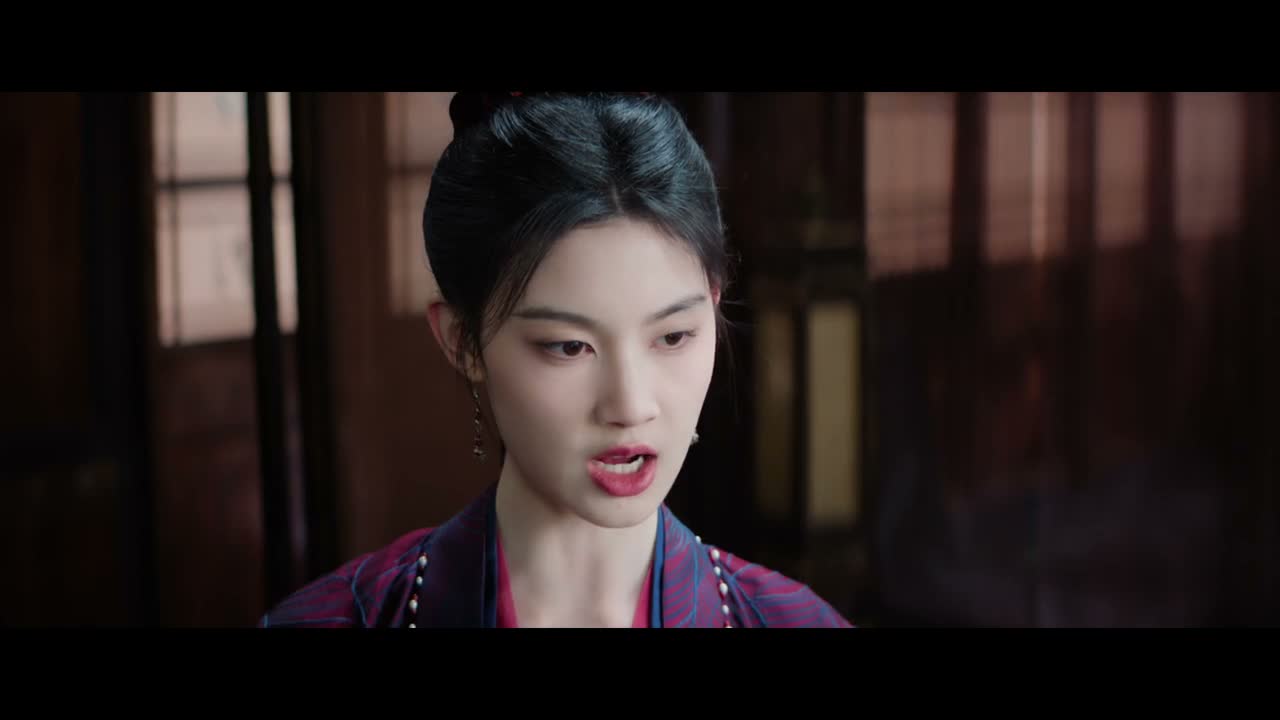
《Archives: The Nanyang Mystery》 S1·E32 (02:31)
HSK 7
fēng zi zuò shì xū yào lǐ yóu ma
疯子做事需要理由吗
“Does a lunatic need a reason to do things?”
《Archives: The Nanyang Mystery》
S1·E32
TIMECODE: 02:31
·
1080P MASTER AUDIO
THE DIALOGUE REEL
[-1] PREVIOUS TURN
tā bú shì fēng zi ma
他不是疯子吗
“Isn't he a lunatic?”
fēng zi zuò shì xū yào lǐ yóu ma
CURRENT FOCUS
疯子 做事 需要理由吗
“Does a lunatic need a reason to do things?”
[+1] FOLLOW-UP TURN
zhāng hǎi xiá nǐ dào dǐ xiǎng yào gàn shén me
“Zhang Haixia, what on earth do you want to do?”
Subtitles synced to millisecond timecode
Browse Show Clips →
Scene:
Crisis & Conflict
Function:
RHETORICAL QUESTIONING
Tone:
RHETORICAL
Emotion:
CYNICISM
WHAT THEY REALLY MEAN (PRAGMATIC SUBTEXT)
“Stop trying to make sense of what cannot be explained rationally.”
💡 Cultural Insight: Rhetorical Dismissal
In Chinese discourse, answering a question with a rhetorical question involving 'madness' or unpredictability is an assertive way to shut down over-analysis.
INTENT TAGS:
#dismissal
#rhetorical
#challenging_assumptions
#deflection
🧩
2 CHUNKS · 1 PARTICLES
LEARNING CHUNKS & PARTICLES
做事
SPOKEN CHUNK
to handle matters or conduct actions
A very common verb-object collocation meaning to handle tasks or behave in general situations.
需要理由吗
SPOKEN CHUNK
does it require a reason?
A common rhetorical pattern used to challenge assumptions that an action requires justification.
Modal Particle「吗」 (ma)
CHANGE OF STATE
Marks the sentence as a rhetorical question rather than an inquiry seeking information.
🏮
2 EXPR · 0 GRAMMAR
VOCABULARY & EXPRESSIONS
COLLOQUIAL EXPRESSIONS:
CROSS-CINEMA CORPUS BOARD · PARALLEL SCENES
EXPLORE BY SEMANTIC SIMILARITY
Parallel Spoken Cinema Scenes (语义近邻切片)
《Archives: The Nanyang Mystery》 S1·E32 (02:31) · Authentic Cinema Dialogue Corpus