别杀我 我我我错了 我不
“Don't kill me! I-I-I was wrong! I won't...”
THE DIALOGUE REEL
别杀我 我我 我错了 我不
“Don't kill me! I-I-I was wrong! I won't...”
“I won't do it again. Please let me go.”
Direct spoken expression in this communicative setting.
Submitting completely and repeatedly admitting fault (我错了) is a common strategy in Chinese confrontation to appease an attacker's wrath and survive.
LEARNING CHUNKS & PARTICLES
Don't kill me
A direct, desperate plea used in extreme life-or-death situations often heard in dramatic media.
I was wrong / I apologize
A common phrase used to admit fault, ranging from everyday apologies to desperate bids to defuse anger.
Marks a change of state, signifying the speaker's sudden realization and total admission of guilt.
VOCABULARY & EXPRESSIONS
Parallel Spoken Cinema Scenes (语义近邻切片)
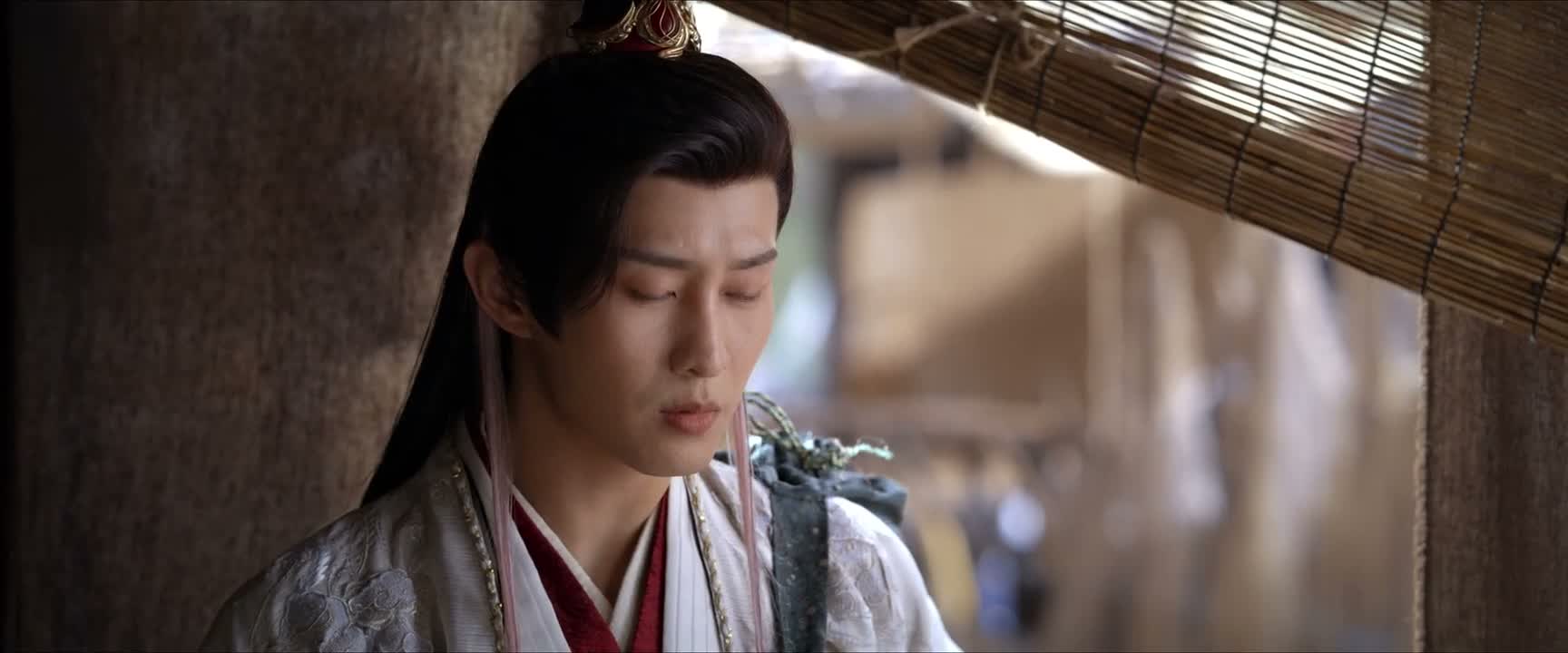
“Don't kill me! Don't kill me!”

“Don't… Don't kill me!”

“Don't kill me! I won't go! I won't go!”

“I'm sorry. I... I was wrong. Bro, I was wrong.”