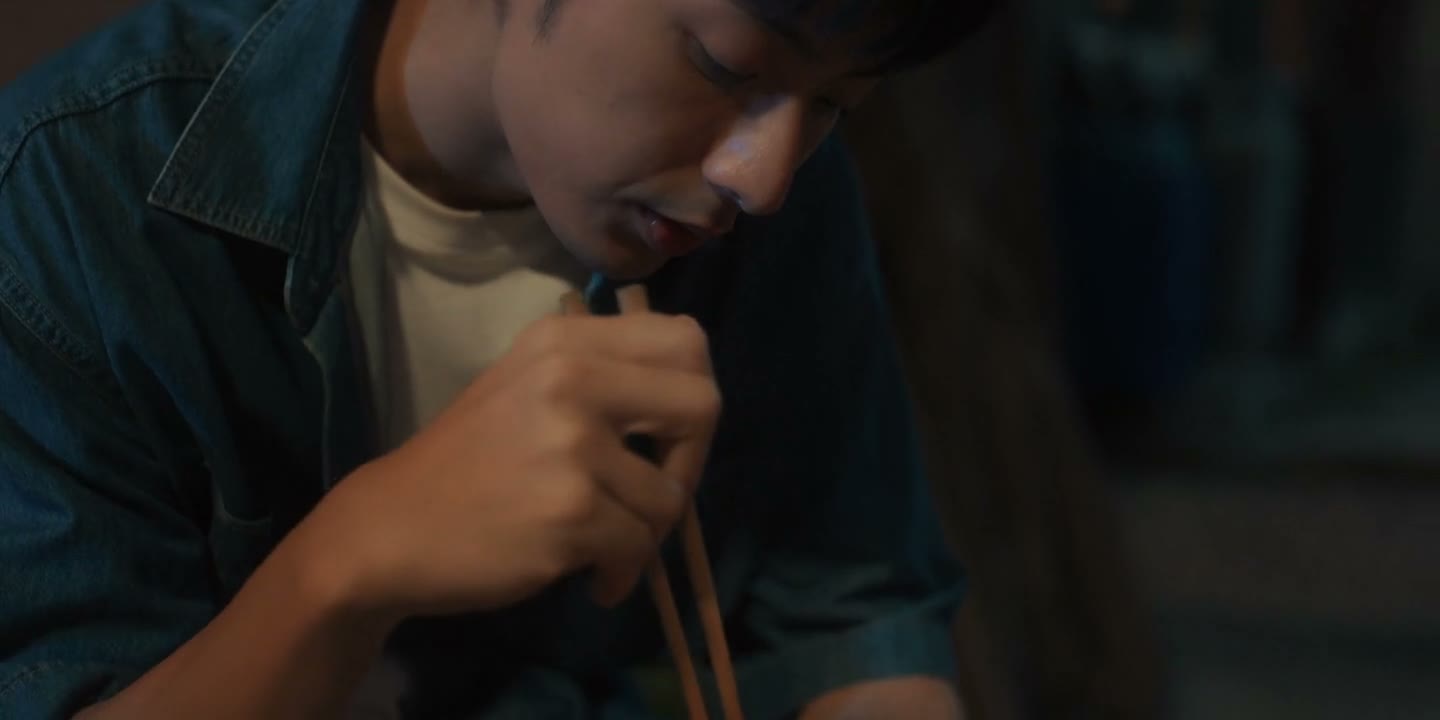
《The Guilty》 S1·E11 (21:13)
HSK 3
nà ge shí hòu wǒ kě néng bǐ jiào xiǎo
那个时候我可能比较小
“I was very young back then,”
《The Guilty》
S1·E11
TIMECODE: 21:13
·
1080P MASTER AUDIO
THE DIALOGUE REEL
[-1] PREVIOUS TURN
wǒ zuò bú dào
我做不到
“I couldn't do that.”
nà ge shí hòu wǒ kě néng bǐ jiào xiǎo
CURRENT FOCUS
那个 时候我可能 比较小
“I was very young back then,”
Subtitles synced to millisecond timecode
Browse Show Clips →
Scene:
Daily Life
Function:
JUSTIFYING INABILITY
Tone:
DEFENSIVE
Emotion:
SADNESS
WHAT THEY REALLY MEAN (PRAGMATIC SUBTEXT)
“Don't blame me for not handling it—I was just a helpless kid with no one to guide me.”
💡 Cultural Insight: Indirect Exculpation
Chinese speakers often soften personal failures or powerlessness by referencing situational helplessness, such as being too young or lacking family backing, rather than making direct excuses.
INTENT TAGS:
#justifying
#excusing
#reminiscing
#hedging
🧩
2 CHUNKS · 0 PARTICLES
LEARNING CHUNKS & PARTICLES
那个时候
SPOKEN CHUNK
at that time / back then
A common conversational anchor used to set a narrative background in the past.
比较小
SPOKEN CHUNK
relatively young / quite small
Used as a softening hedge to indicate youth or lack of maturity rather than stating an exact age.
🏮
2 EXPR · 0 GRAMMAR
VOCABULARY & EXPRESSIONS
COLLOQUIAL EXPRESSIONS:
CROSS-CINEMA CORPUS BOARD · PARALLEL SCENES
EXPLORE BY SEMANTIC SIMILARITY
Parallel Spoken Cinema Scenes (语义近邻切片)
《The Guilty》 S1·E11 (21:13) · Authentic Cinema Dialogue Corpus