奴才 狗奴才
“Slaves! Dogs!”
THE DIALOGUE REEL
谢谢
“Thank you.”
奴才 狗奴才
“Slaves! Dogs!”
开门
“Open the door!”
Direct spoken expression in this communicative setting.
While '奴才' originated as a self-appellation for servants and Qing officials, calling someone else this—especially compounding it with '狗' (dog)—is an insult reserved for bootlicking lackeys.
LEARNING CHUNKS & PARTICLES
despicable lackey / subservient dog
A sharp, derogatory historical insult used to demean someone seen as bootlicking or submissively obeying a corrupt authority.
VOCABULARY & EXPRESSIONS
Parallel Spoken Cinema Scenes (语义近邻切片)
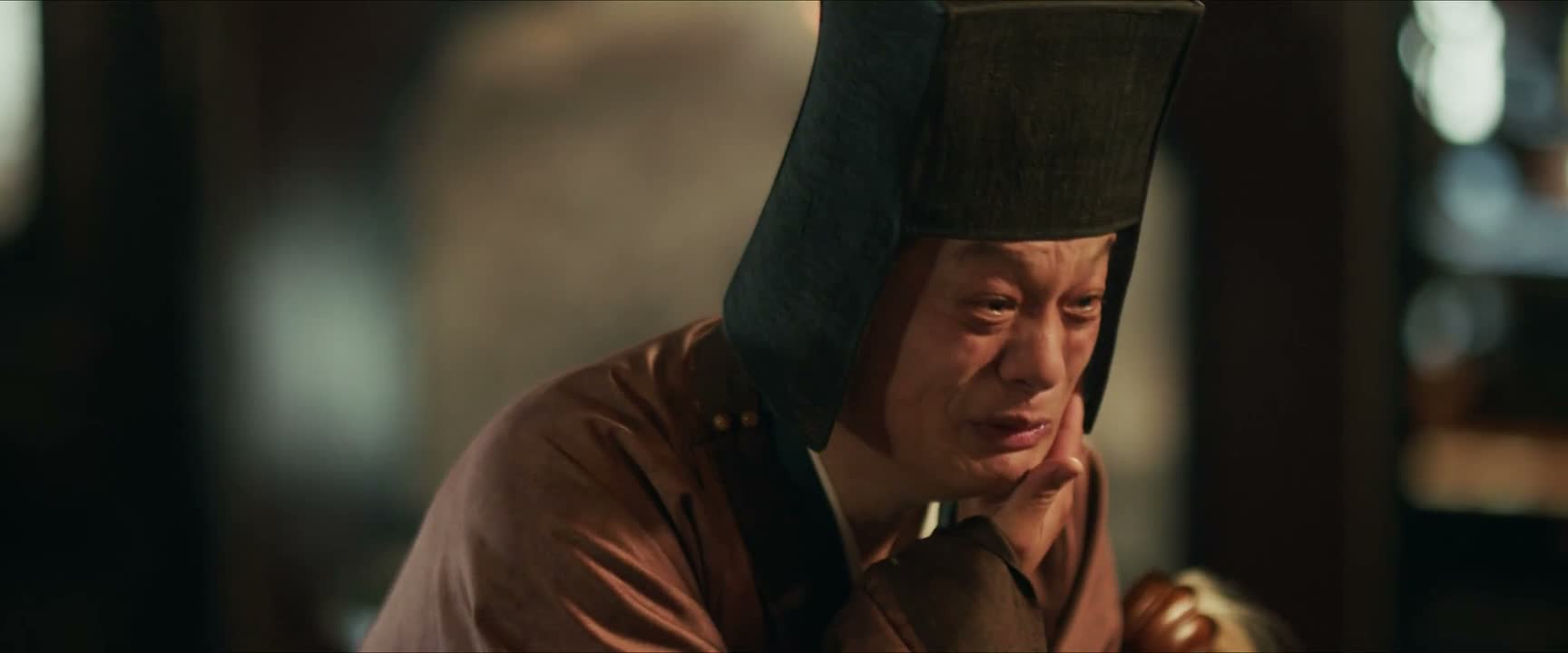
“I... I am fine.”

“I am here.”

“It wasn't me! -Your Majesty, spare my life! -Your Majesty, spare my life! Kill them!”
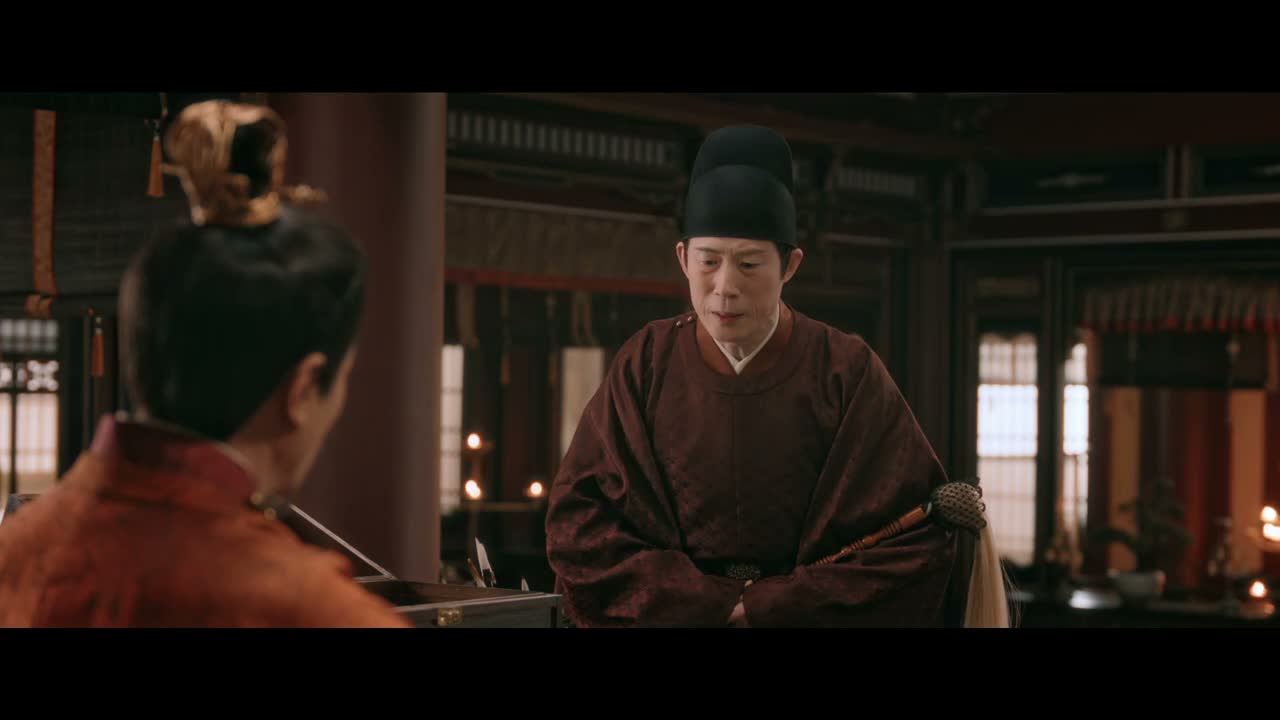
“I truly don't know.”
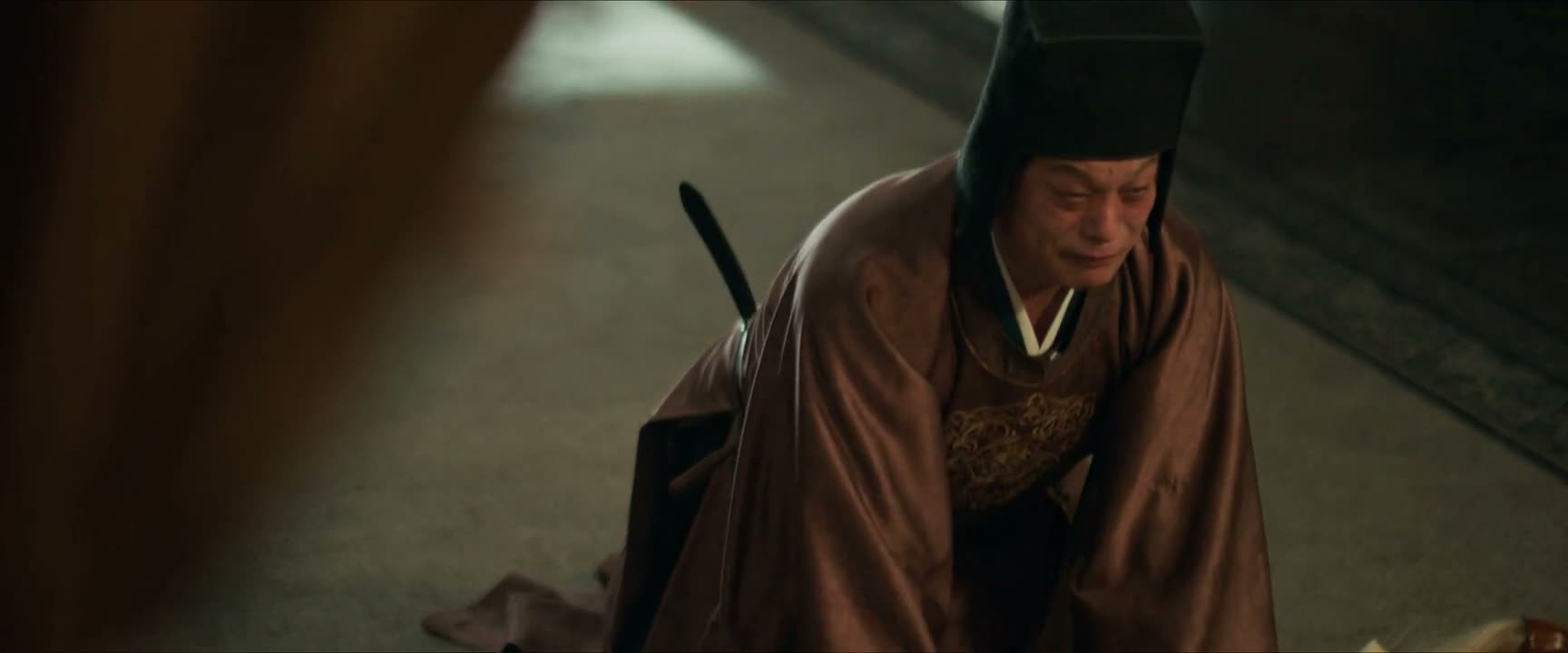
“Do not let my mistakes”
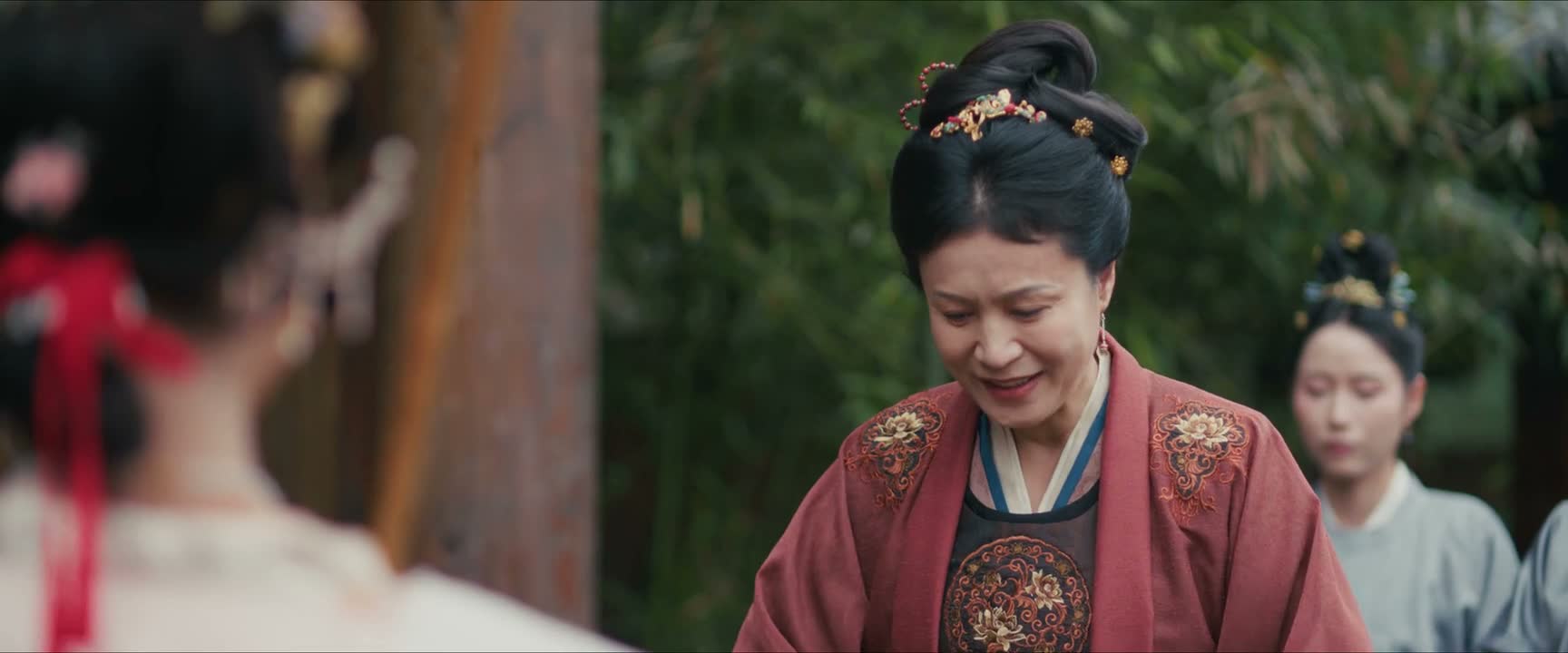
“I apologize for my incompetence.”