你要注意自己的立场呢 我啥立场呢
“Watch your political stance! Political stance?”
THE DIALOGUE REEL
把你那个臭嘴给我闭上 花彩香 我警告你
“Shut your filthy mouth! Hua Caixiang! I warn you!”
你要 注意自己的立场 呢 我啥立场呢
“Watch your political stance! Political stance?”
就你最没立场了 就你事多 我啥立场 我打你咋了
“You're the one with no principles! You always stir things up! My stance? So what if I hit you!”
“Don't try to dictate where I stand; I don't answer to you.”
In interpersonal or communal disputes, having a clear 'lichang' (standpoint/allegiance) is heavily scrutinized; taking the wrong side invites fierce moral condemnation.
LEARNING CHUNKS & PARTICLES
watch where one stands / be mindful of one's allegiance
Commonly used when warning someone not to side with the wrong faction or speak out of turn.
what stance do I have? / who says I have a bias?
A colloquial northern-accented rhetorical retort rejecting an imposed label.
Used first as a reminder/warning tone, and then echoed in the rhetorical question to heighten defiance.
VOCABULARY & EXPRESSIONS
Parallel Spoken Cinema Scenes (语义近邻切片)

“people always like to see things from their own perspective.”
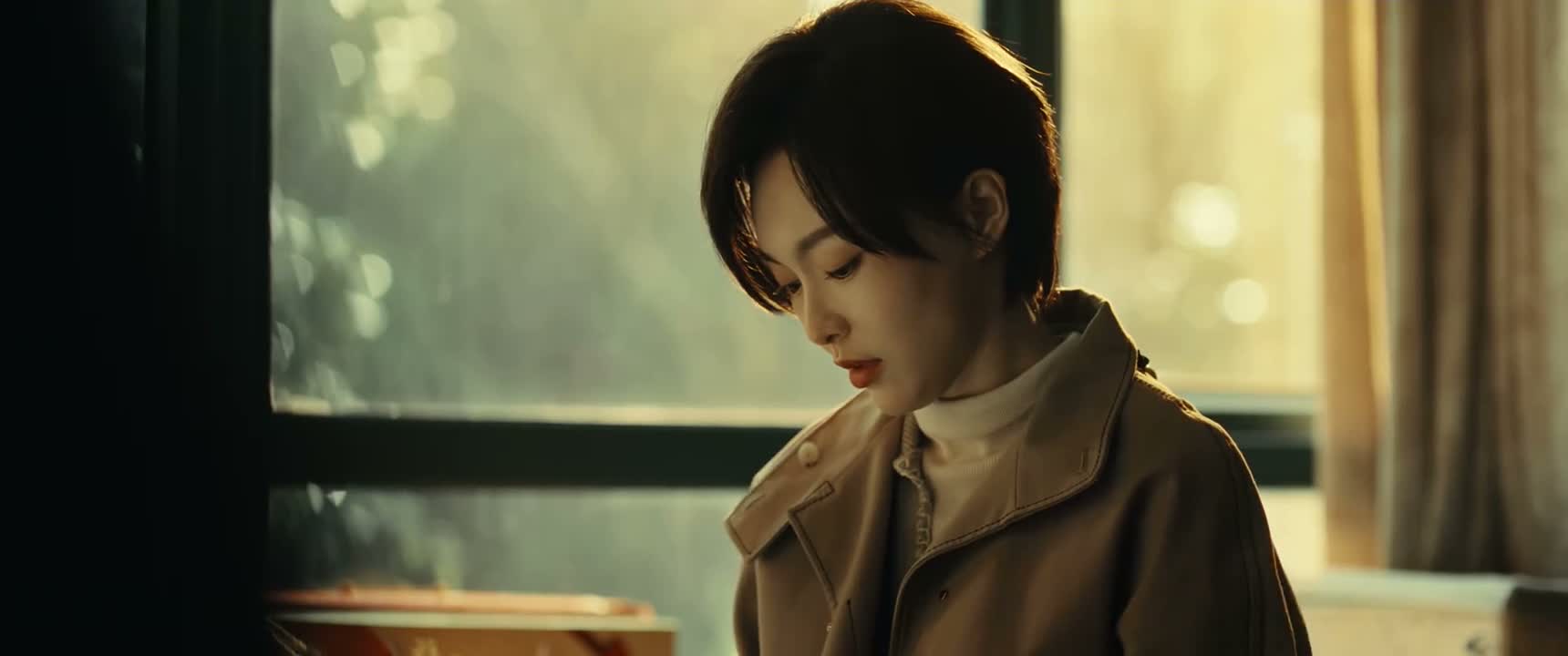
“I'm thinking from your perspective.”

“from my perspective and standpoint,”

“This should stand as my position, right?”
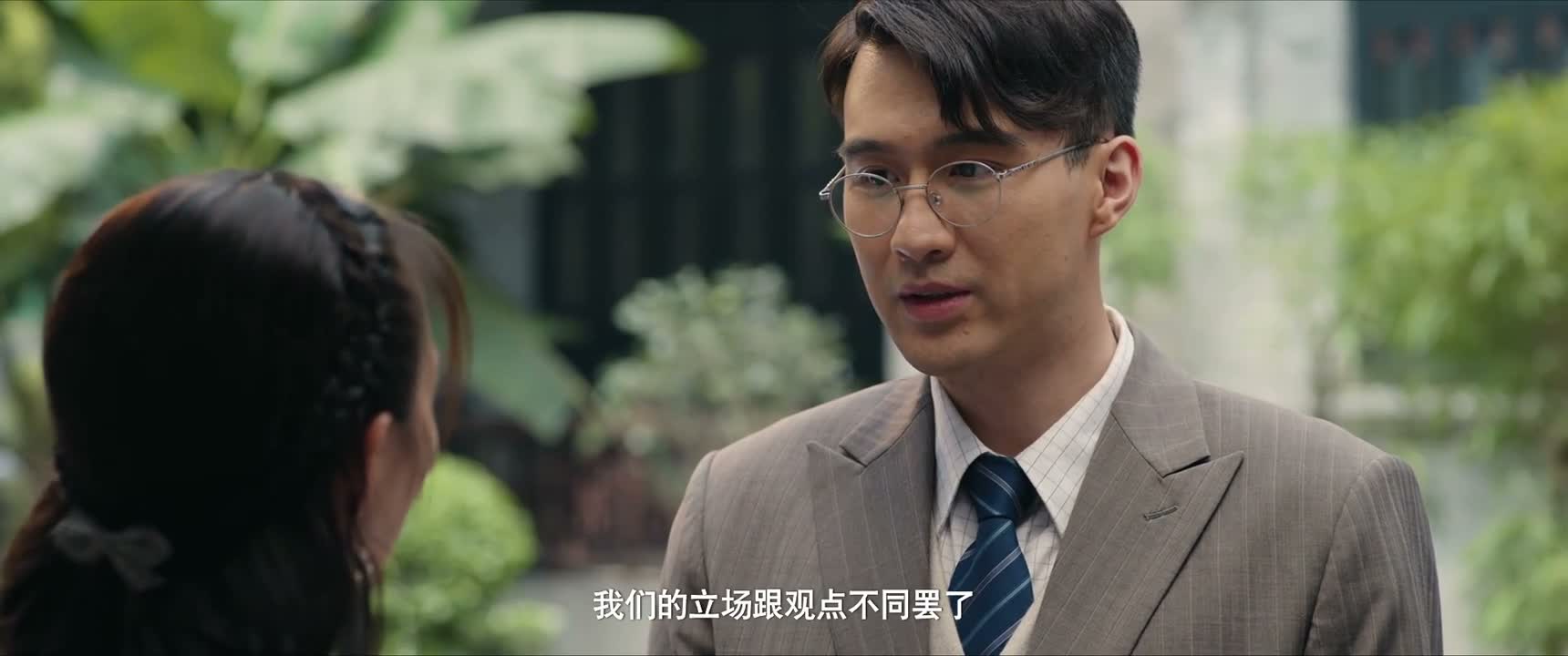
“our standpoints and views are just different.”

“you have to be in Lan's shoes.”