MC
MandarinClips Cinema Corpus
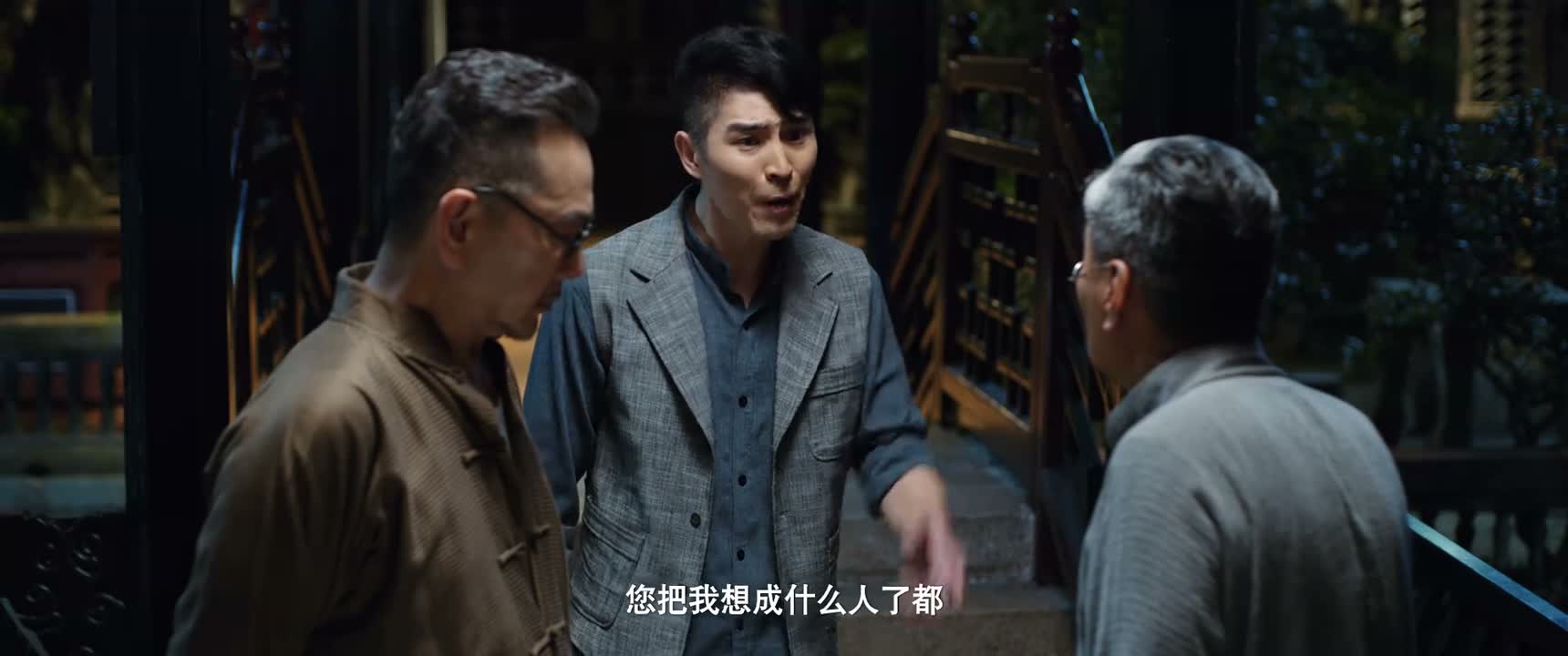
《Go Ahead》 S1·E25 (09:21) HSK 5
nǐ bǎ wǒ xiǎng shén me rén le wǒ zěn me kě néng qiáng wěn nǐ ya

你把我想什么人了 我怎么可能强吻你呀

“What kind of person do you think of me? How could I force a kiss on you?”

《Go Ahead》 S1·E25
TIMECODE: 09:21 · 1080P MASTER AUDIO

THE DIALOGUE REEL

1+1+1 SPOKEN CONTINUITY
[-1] PREVIOUS TURN bú shì

不是

“What?”

nǐ bǎ wǒ xiǎng shén me rén le wǒ zěn me kě néng qiáng wěn nǐ ya CURRENT FOCUS

你 把我想什么人 了 我 怎么可能强吻 你呀

“What kind of person do you think of me? How could I force a kiss on you?”

[+1] FOLLOW-UP TURN nà wǒ yào shì bù tài lěng jìng de shí hòu ne

“What if I'm not calm?”

Subtitles synced to millisecond timecode Browse Show Clips →
Scene: Social & Dating
Function: DEFENSIVE DENIAL
Tone: TEASING
Emotion: INDIGNATION
WHAT THEY REALLY MEAN (PRAGMATIC SUBTEXT)
“I am a decent person! Stop teasing me, though I might actually want to kiss you.”
💡 Cultural Insight: Flirtatious Feigned Offense

Expressing dramatic mock outrage over being misunderstood is a frequent flirting trope in modern Chinese romantic interactions.

INTENT TAGS: #teasing #feigned_outrage #denial #flirting
🧩

LEARNING CHUNKS & PARTICLES

2 CHUNKS · 2 PARTICLES
把我想成什么人了 SPOKEN CHUNK

what kind of person do you take me for

Use this rhetorical pattern to push back when someone questions your integrity or suspects bad behavior.

强吻 SPOKEN CHUNK

to force a kiss on someone

A common colloquial and media term describing an uninvited, sudden romantic kiss.

Modal Particle「了」 (le) CHANGE OF STATE

Completes the rhetorical question with a sense of consequence or finalized judgment.

Modal Particle「呀」 (ya) CHANGE OF STATE

Softens the rhetorical question into playful banter rather than genuine anger.

🏮

VOCABULARY & EXPRESSIONS

2 EXPR · 0 GRAMMAR
CROSS-CINEMA CORPUS BOARD · PARALLEL SCENES

Parallel Spoken Cinema Scenes (语义近邻切片)

EXPLORE BY SEMANTIC SIMILARITY
《Go Ahead》 S1·E25 (09:21) · Authentic Cinema Dialogue Corpus