MC
MandarinClips Cinema Corpus
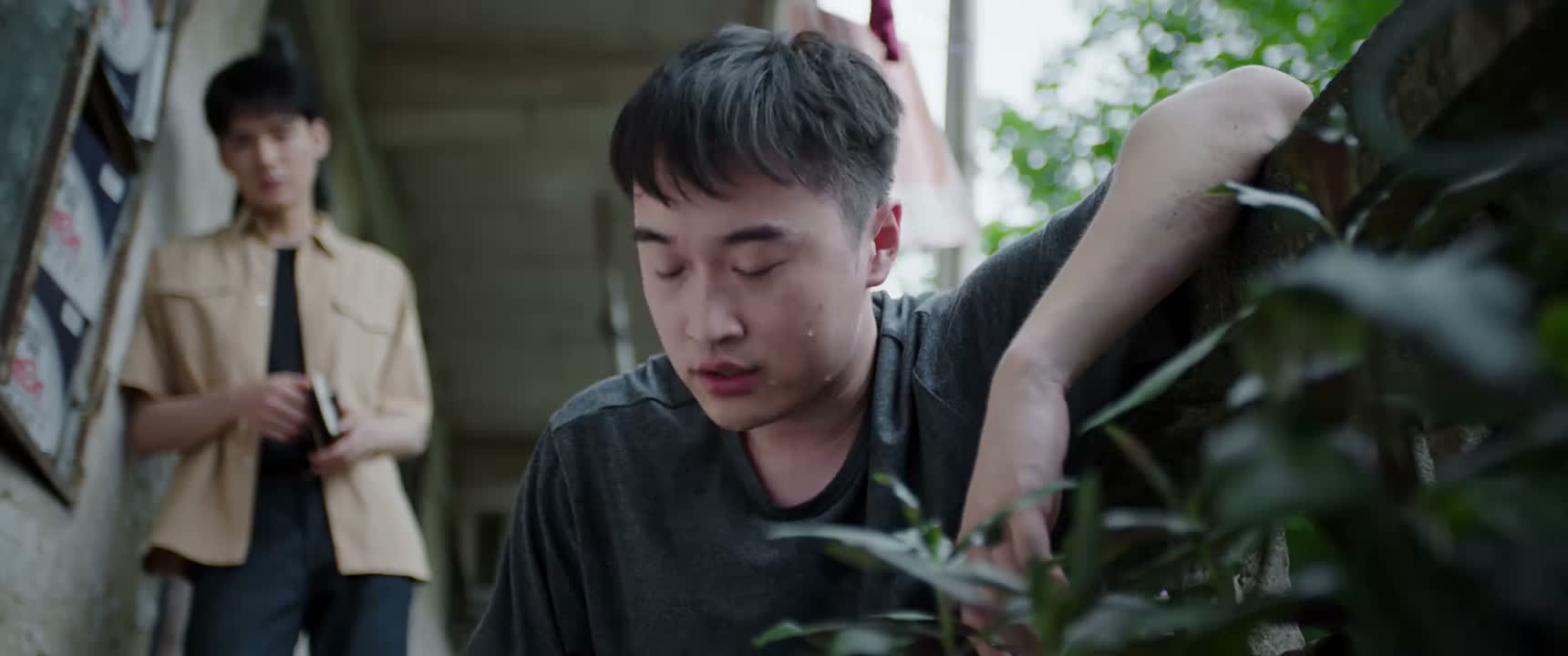
《The Truth》 S1·E6 (40:26) HSK 5
kě néng shì zhuàng zài nǎ ér le ba

可能是撞在哪儿了吧

“Probably bumped into something.”

《The Truth》 S1·E6
TIMECODE: 40:26 · 1080P MASTER AUDIO

THE DIALOGUE REEL

1+1+1 SPOKEN CONTINUITY
[-1] PREVIOUS TURN wǒ yě wàng le

我也忘了

“I forgot.”

kě néng shì zhuàng zài nǎ ér le ba CURRENT FOCUS

可能 是 撞在哪儿 了 吧

“Probably bumped into something.”

[+1] FOLLOW-UP TURN zěn me hē chéng zhè yàng a nǐ men zhī qián xún wèn de shí hòu yě dōu zhè yàng

怎么喝成这样啊 你们之前询问的时候也都这样

“How did he get so drunk? He was also like this during your previous questioning?”

Subtitles synced to millisecond timecode Browse Show Clips →
Scene: Legal & Police
Function: VAGUE EXPLANATION
Tone: EVASIVE
Emotion: APPREHENSION
WHAT THEY REALLY MEAN (PRAGMATIC SUBTEXT)
“I do not know or do not want to say where this bruise came from, so let us just call it an accident.”
💡 Cultural Insight: Hedging Under Scrutiny

When facing official inquiries, Chinese speakers often use indefinite pronouns (like '哪儿') and probability markers to avoid making absolute statements that might backfire.

INTENT TAGS: #hedging #deflection #speculation #evasion
🧩

LEARNING CHUNKS & PARTICLES

2 CHUNKS · 2 PARTICLES
可能是 SPOKEN CHUNK

probably / could be

Standard hedging phrase used to indicate uncertainty or reduce commitment to a statement.

撞在哪儿 SPOKEN CHUNK

bumped into somewhere

An indefinite expression used when the exact location of a collision or impact is unknown.

Modal Particle「吧」 (ba) CHANGE OF STATE

Indicates probability and uncertainty, softening the speculative statement.

Modal Particle「了」 (le) CHANGE OF STATE

Marks the completion of the bumping action.
🏮

VOCABULARY & EXPRESSIONS

1 EXPR · 1 GRAMMAR
COLLOQUIAL EXPRESSIONS:
GRAMMAR BLUEPRINTS:
CROSS-CINEMA CORPUS BOARD · PARALLEL SCENES

Parallel Spoken Cinema Scenes (语义近邻切片)

EXPLORE BY SEMANTIC SIMILARITY
《The Truth》 S1·E6 (40:26) · Authentic Cinema Dialogue Corpus