MC
MandarinClips Cinema Corpus
《About Love》 S1·E22 (12:49) HSK 5
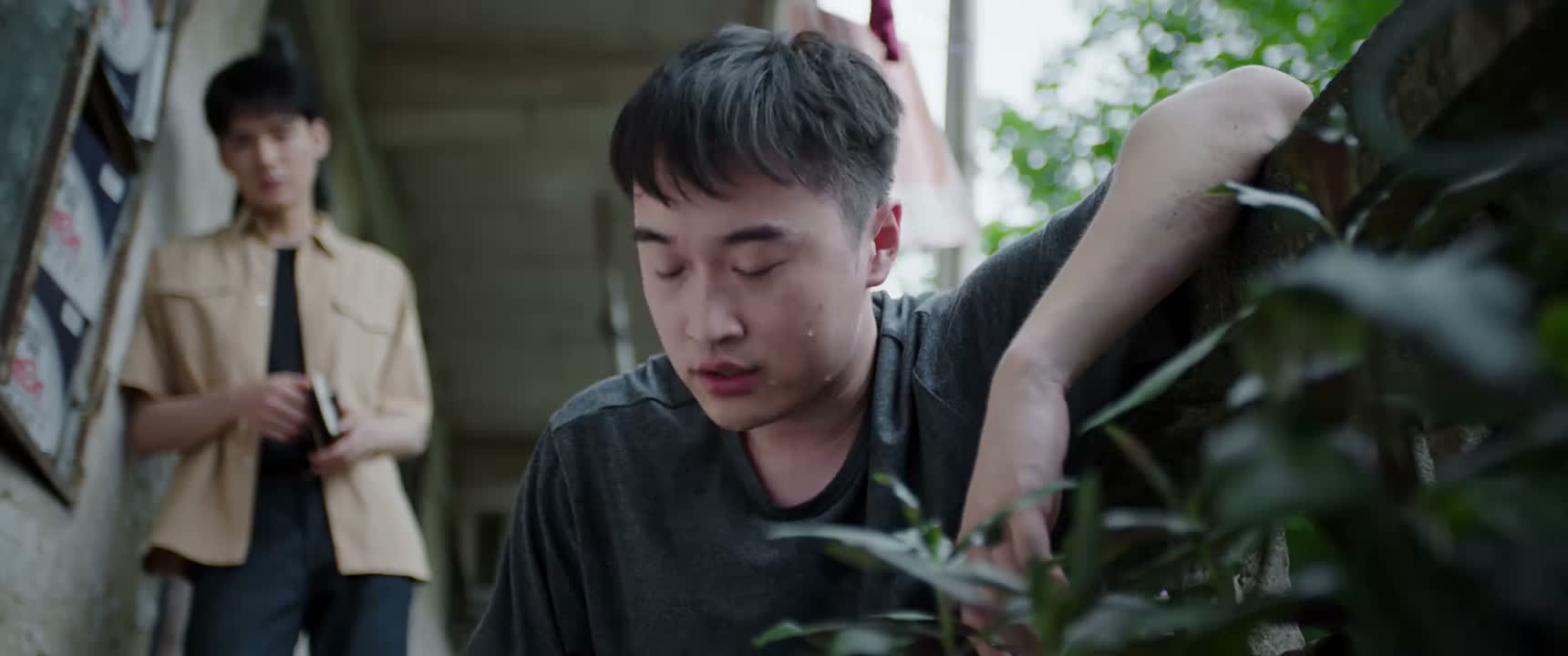
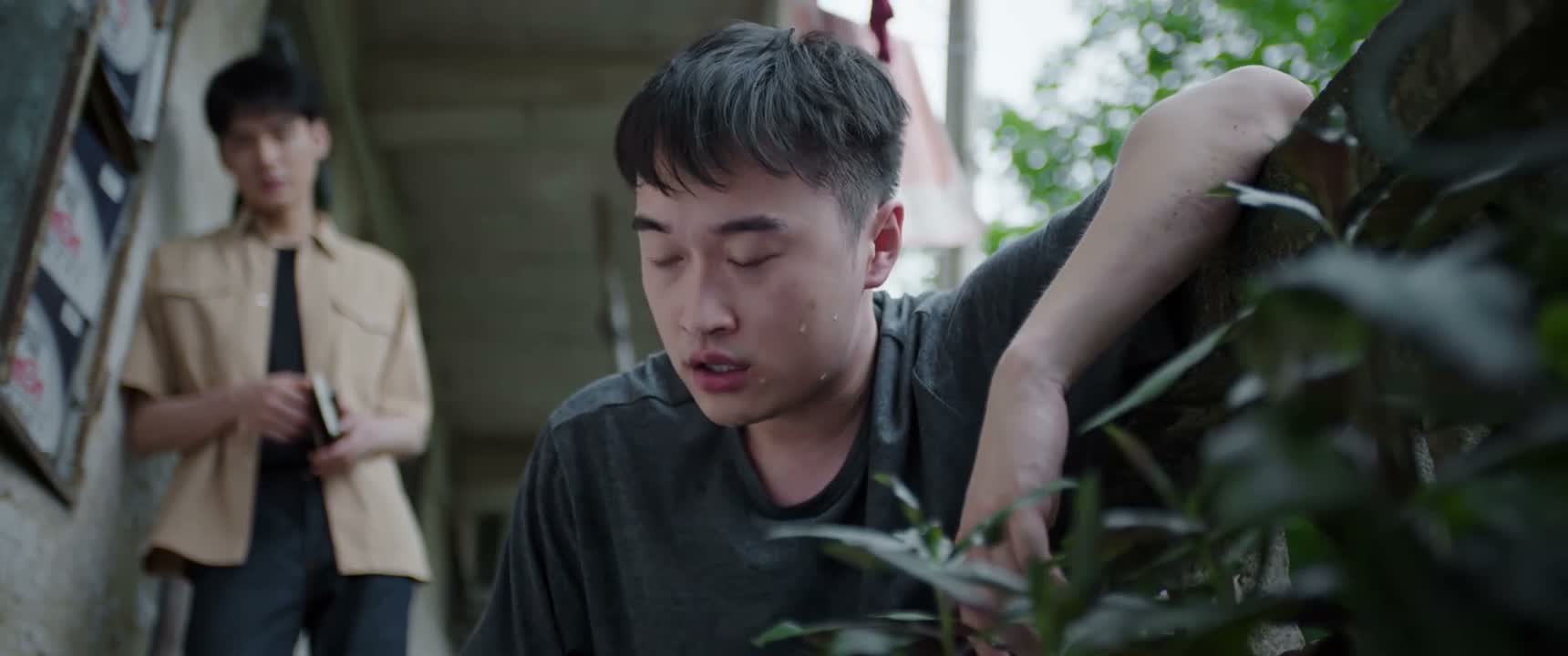
gāi bú huì shì chū chē huò le ba

该不会是出车祸了吧

“Don't tell me he got into a car accident?”

《About Love》 S1·E22
TIMECODE: 12:49 · 1080P MASTER AUDIO

THE DIALOGUE REEL

1+1+1 SPOKEN CONTINUITY
[-1] PREVIOUS TURN ó a

哦 啊

“Oh? Huh?”

gāi bú huì shì chū chē huò le ba CURRENT FOCUS

该不会是出车祸了吧

“Don't tell me he got into a car accident?”

[+1] FOLLOW-UP TURN méi yǒu shì tā dǎ le bié rén

没有 是他打了别人

“No, he beat someone up.”

Subtitles synced to millisecond timecode Browse Show Clips →
Scene: Daily Life
Function: EXPRESSING WORRY
Tone: CONCERNED
Emotion: ANXIETY
WHAT THEY REALLY MEAN (PRAGMATIC SUBTEXT)

Direct spoken expression in this communicative setting.

💡 Cultural Insight: Negative Presumption (该不会)

Chinese speakers often voice the worst-case scenario aloud when trying to make sense of a sudden crisis or unaccounted absence.

INTENT TAGS: #speculation #concern #guessing #inquiry
🧩

LEARNING CHUNKS & PARTICLES

2 CHUNKS · 2 PARTICLES
该不会是 SPOKEN CHUNK

could it be that... / don't tell me that...

Used to introduce an anxious, undesirable suspicion or negative hypothesis.

出车祸 SPOKEN CHUNK

get into a car accident

Standard idiomatic phrase for experiencing a traffic accident.

Modal Particle「了」 (le) CHANGE OF STATE

Signifies a completed event or change of status within the hypothesized scenario.

Modal Particle「吧」 (ba) CHANGE OF STATE

Softens the speculative statement into an uncertain, tentative inquiry.
🏮

VOCABULARY & EXPRESSIONS

1 EXPR · 6 GRAMMAR
CROSS-CINEMA CORPUS BOARD · PARALLEL SCENES

Parallel Spoken Cinema Scenes (语义近邻切片)

EXPLORE BY SEMANTIC SIMILARITY
《About Love》 S1·E22 (12:49) · Authentic Cinema Dialogue Corpus