该...了
[主语/条件] + 该 + [动词/短语] + 了
Core sentence pattern in modern spoken Mandarin.
[Variation: 肯定建议式]
(37 clips) 00:02
 00:02
 00:02
 00:02
 00:02
 00:02
 00:02
 00:03
(我们找的咨询公司也是看到孤烟) ── Previous context
“also believes Gu Yan has now entered a phase of rapid maturity.”
 00:02
 00:02
 00:02
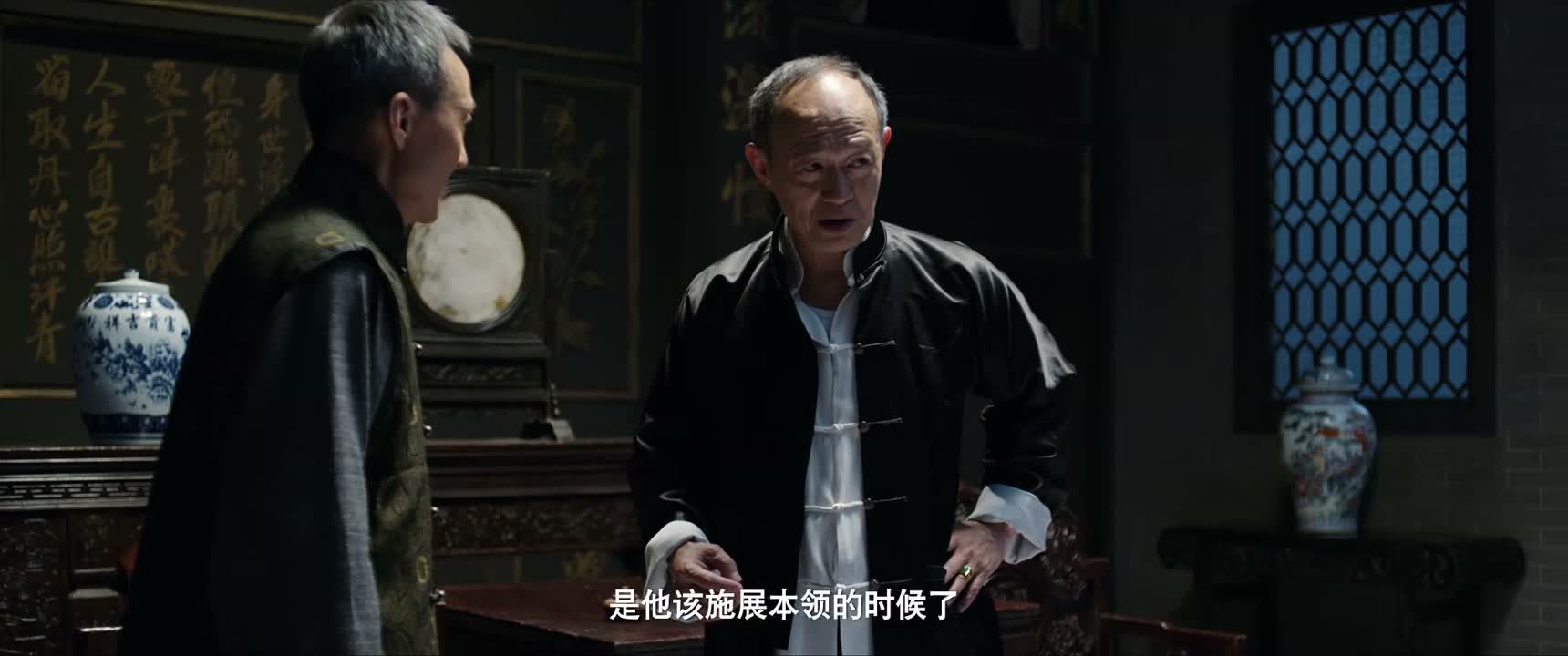 00:03
 00:02
(是的 这是暗指他很烦人的意思) ── Previous context
“Oh, you two should get along wonderfully, then.”
 00:02
 00:02
 00:03
 00:02
 00:02
 00:02
 00:02
 00:02
(不过听说刺史夫人的肚子不大好) ── Previous context
“Prefect Liu should be on his way back once he gets the message.”
 00:02
 00:02
 00:02
 00:02
 00:02
 00:02
 00:02
 00:02
 00:02
 00:02
 00:02
 00:03
(要回上海了) ── Previous context
“Xiaodan is supposed to move back after the college entrance exam.”
 00:02
 00:02
 00:02
 00:02
[Variation: 自我商量式]
(2 clips) 00:02
 00:02
[Variation: 疑问反问式]
(1 clips) 00:02
📐 就...而已
→Nuance: 同向近义词根配对: [就是 ↔ 说是]
📐 跟...似的
→Nuance: 同向近义词根配对: [商店 ↔ 店家]
📐 不会是...吧
→Nuance: 核心意图完全相同可直接互换
📐 不是...吗
→Nuance: 同表对重复提问的质疑反问
📐 差不多
→Nuance: 核心交际意图完全一致可互换
📐 太...了
→Nuance: 核心语义均为自己知道太多秘密
📐 不就...了吗
→Nuance: 同表后悔没早出国,可直接替换
📐 不会...吧
→Nuance: 核心意图完全相同可直接互换
📐 还以为...呢
→Nuance: 交际目的皆为催促切入正题