我都不知道该说什么了
“I don't even know what to say.”
THE DIALOGUE REEL
太沉重了
“This is too heavy.”
我都不知道该说什么了
“I don't even know what to say.”
不沉重
“It's not heavy, Du Ming.”
“I'm at a loss for words / I don't even know what to say to that.”
In Chinese contexts, when confronting heavy or distressing topics, directly admitting to not knowing what to say conveys sincere sympathy and shared vulnerability, serving as an appropriate way to express emotional resonance.
LEARNING CHUNKS & PARTICLES
I don't even know what to say; at a loss for words (due to shock, deep emotion, grief, or being overwhelmed)
A very common colloquial exclamation used to show empathy or speechlessness, typically employed when deeply moved or unsure how to respond in emotional social situations.
Indicates a change of state or arrival at a new condition (having become speechless).
VOCABULARY & EXPRESSIONS
Parallel Spoken Cinema Scenes (语义近邻切片)

“I don't even know what to say.”

“I was suddenly at a loss for words.”

“I don't know what to say.”

“I don't know what to say. But”

“I don't know what to say.”

“and I don’t know what to say to her. I think you must have misunderstood me.”

“I really didn't know how to say it.”

“I don't know how to explain.”

“I really didn't know how to tell you.”

“I still didn't know how to start talking.”

“I... I don't know how to explain it.”

“I wouldn't have known what to do.”

“- I don't know what to say. - You say it didn't happen.”
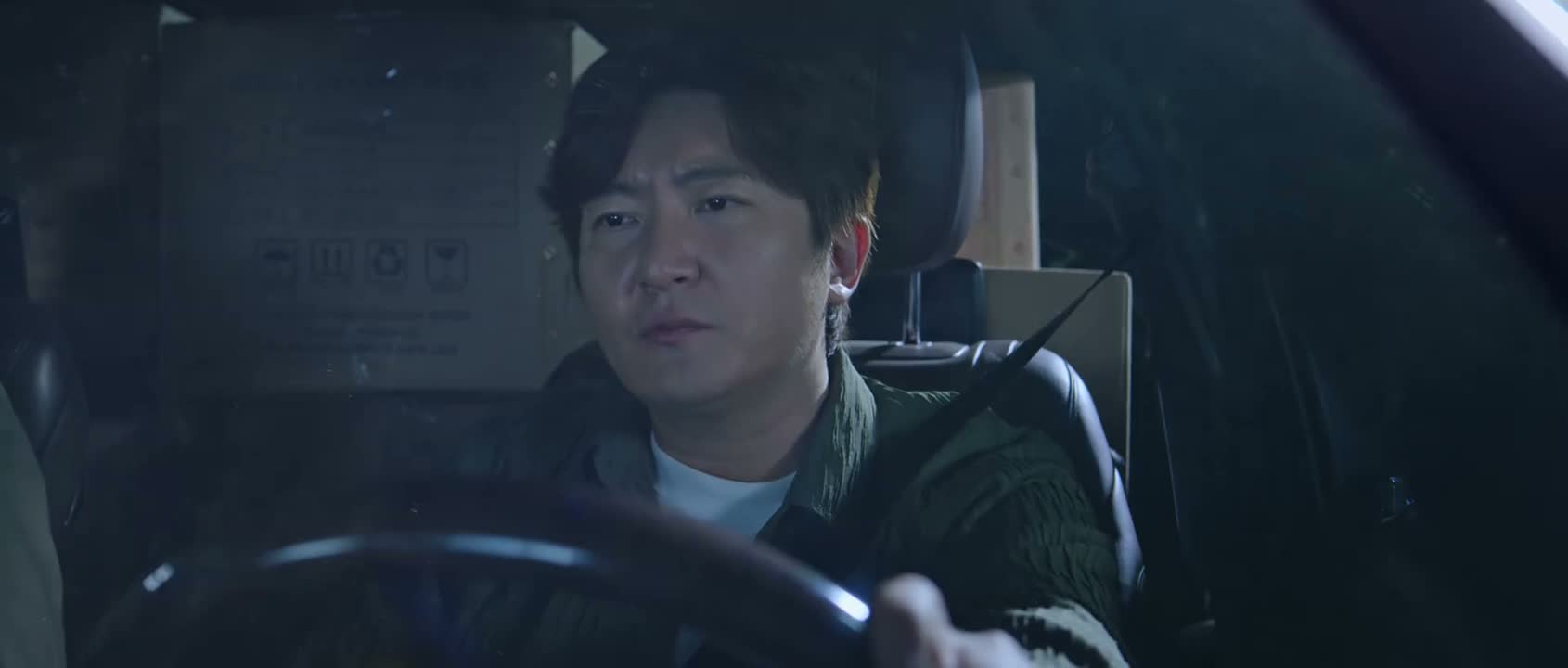
“He just doesn't know how to express himself.”

“How could you not know what to talk about?”

“Don't you have anything to say?”

“I didn't know what to say.”

“I don't know how to explain it.”

“I just don't know what to say.”

“I don't even know what to say. I...”

“I have nothing to say.”