我也不知道该怎么说了
“I don't know what to say.”
THE DIALOGUE REEL
你觉得呢
“what do you think?”
我也不知道 该 怎么说 了
“I don't know what to say.”
但要非要我说啊
“But if I had to say,”
“I hesitate to say this, but since you're asking, I'm going to be blunt.”
In Chinese communication, speakers often use self-deprecation or deliberate vagueness (such as 'wo ye bu zhi dao zen me shuo') to lower expectations and ease defenses before smoothly introducing their actual or more critical opinions.
LEARNING CHUNKS & PARTICLES
not knowing where to begin or how to put it into words
A highly frequent colloquial buffer phrase, often used to express awkwardness, hesitation, or to soften the blow before delivering a sharper critique.
Indicates a change of state or shift in mindset, conveying an exclamatory tone reflecting mixed feelings and uncertainty about where to start.
VOCABULARY & EXPRESSIONS
Parallel Spoken Cinema Scenes (语义近邻切片)

“I don't even know what to say.”

“I don't even know what to say.”

“I don't know what to say.”

“Actually, I don't know how to explain it either.”

“I don't know what I'd have done.”

“And I didn't know how to tell you.”

“so... so I really don't know what else to say.”

“I didn't know how to describe”

“I really didn't know how to say it.”

“I don't know how to explain.”

“I don't even know how to explain...”

“I don't even know how to talk to you now.”

“I really didn't know how to tell you.”

“I still didn't know how to start talking.”

“I... I don't know how to explain it.”

“I wouldn't have known what to do.”

“- I don't know what to say. - You say it didn't happen.”
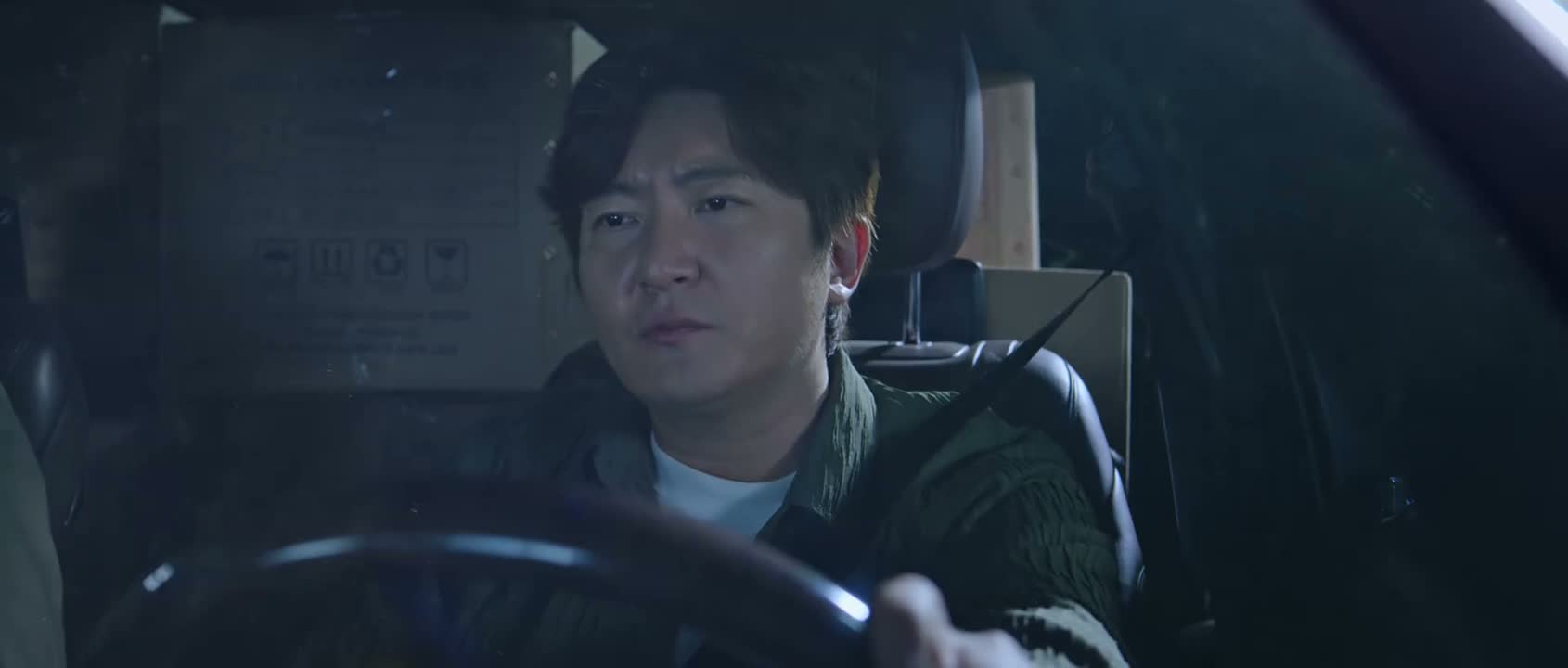
“He just doesn't know how to express himself.”

“I didn't know what to say.”

“I don't know how to explain it.”
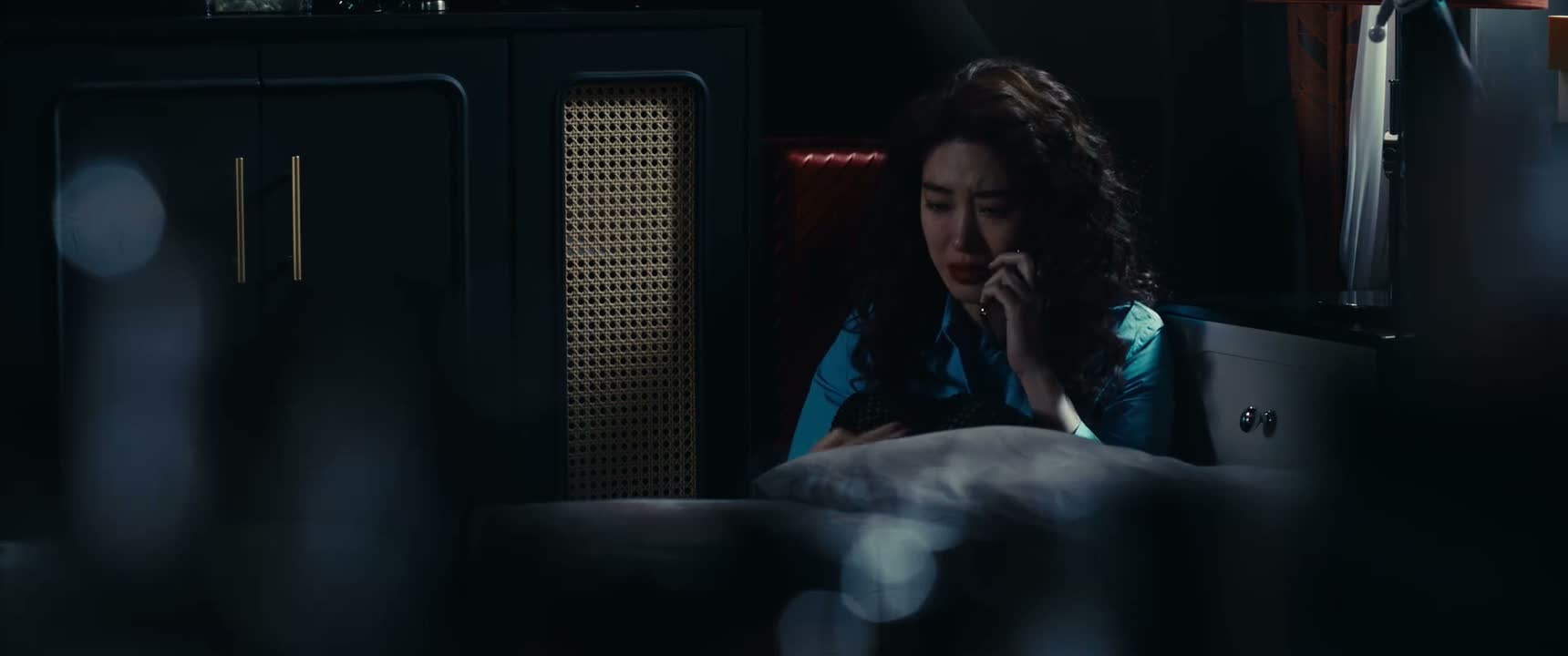
“I didn't know what else to do.”

“I just don't know what to say.”

“I don't know how to tell you this.”