我都不知道该怎么办了
“I wouldn't have known what to do.”
THE DIALOGUE REEL
“Sorry to have troubled you. If it were not for Mr. Ling,”
我都不知道 该怎么办 了
“I wouldn't have known what to do.”
孩子没事就好
“As long as the boy is fine.”
Direct spoken expression in this communicative setting.
In Chinese culture, admitting personal panic or helplessness highlights the magnitude of the favor received and elevates the savior's virtue and capability.
LEARNING CHUNKS & PARTICLES
at a loss for what to do
A very common colloquial expression used when feeling overwhelmed, confused, or helpless in a difficult situation.
Marks a change of state, highlighting the speaker's descent into a state of total helplessness.
VOCABULARY & EXPRESSIONS
Parallel Spoken Cinema Scenes (语义近邻切片)

“What should I do?”
“what I should do.”
“What am I supposed to do now?”

“I don't know what to say.”

“I don't even know what to say.”

“Of course I don't! What should we do now?”

“I don't know what I'd have done.”

“You don't know what to do.”

“I didn't know how to describe”

“I don't know what to do with them.”

“But I don't know what to do,”
“I really don't know what to do. Since you are here,”

“I am at a loss.”

“I really wouldn't know what to do.”

“I really don't know how to deal with him anymore.”

“don't know how to deal with such a situation.”

“and I don't know which one is the right choice.”

“how to express this feeling.”

“I really don't know what to do.”

“so she doesn't know how to deal with it.”

“I don't know what to do anymore.”

“I don't know what to do now.”

“I truly don't know what to do now.”

“I didn't know what to do.”
“Honestly, I don't know what to do yet.”
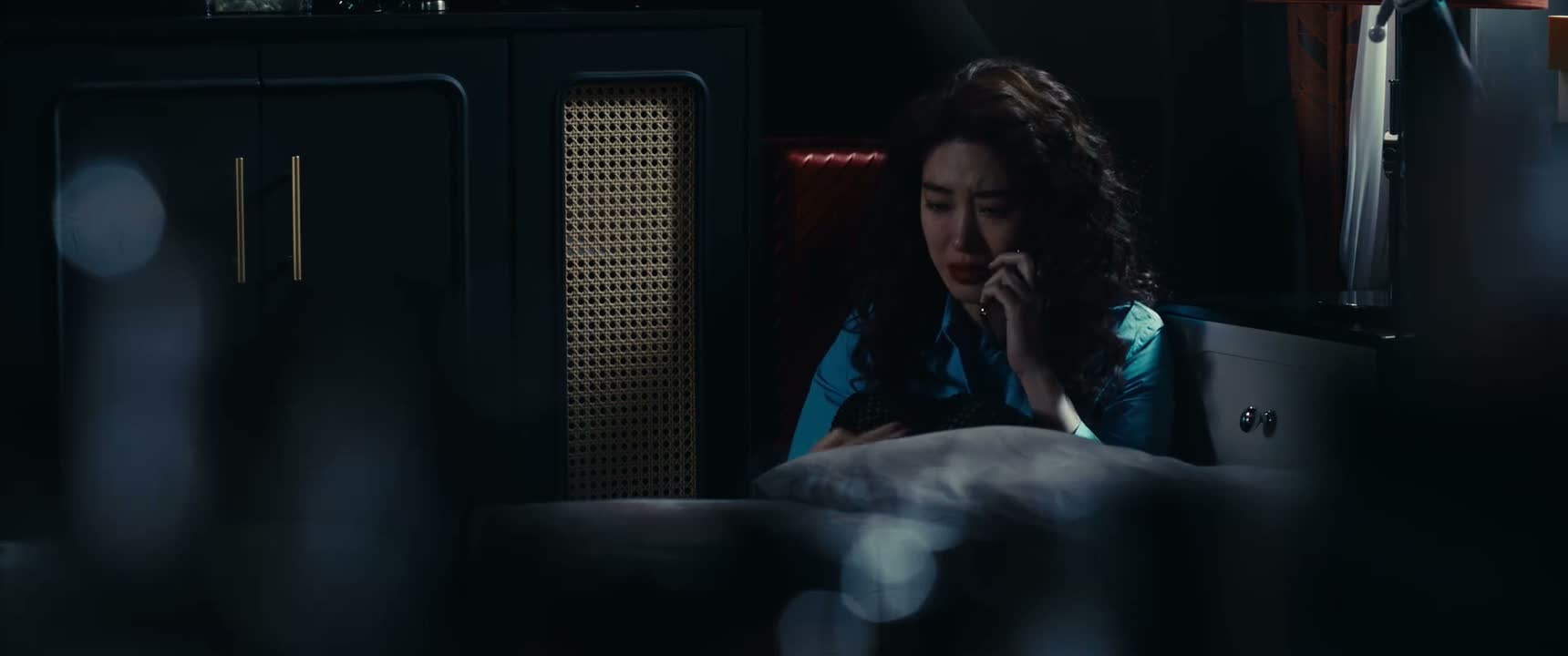
“I didn't know what else to do.”
“Otherwise, I'd have no idea what to do.”

“don't know how to act.”