其实我也不知道该怎么办
“Honestly, I don't know what to do yet.”
THE DIALOGUE REEL
我总不至于害你吧
“I wouldn't harm you.”
其实我也不知道 该怎么办
“Honestly, I don't know what to do yet.”
“It only came up today.”
“Don't push me for answers; I'm just as lost and overwhelmed as you are.”
Confessing one's own confusion or helplessness is often used in Chinese interactions to de-escalate tension and avoid direct confrontation.
LEARNING CHUNKS & PARTICLES
actually; as a matter of fact
Used at the start of a sentence to reveal true feelings, clarify facts, or soften a contradiction.
what to do; what course of action to take
A frequent rhetorical or practical phrase used when facing a dilemma or unexpected obstacle.
VOCABULARY & EXPRESSIONS
Parallel Spoken Cinema Scenes (语义近邻切片)

“I don't know what to do with them.”
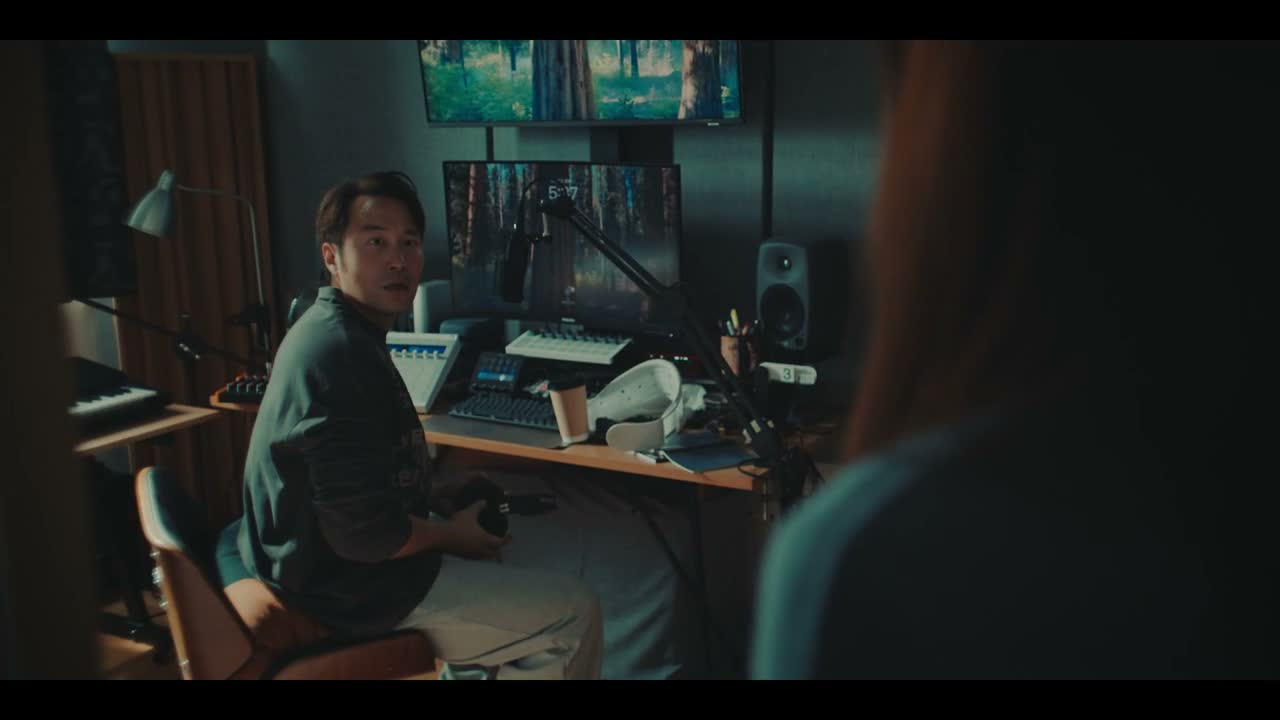
“I don't either. But I need to figure it out.”

“Of course I don't! What should we do now?”

“I don't know what I'd have done.”

“You don't know what to do.”

“I didn't know how to describe”

“But I don't know what to do,”
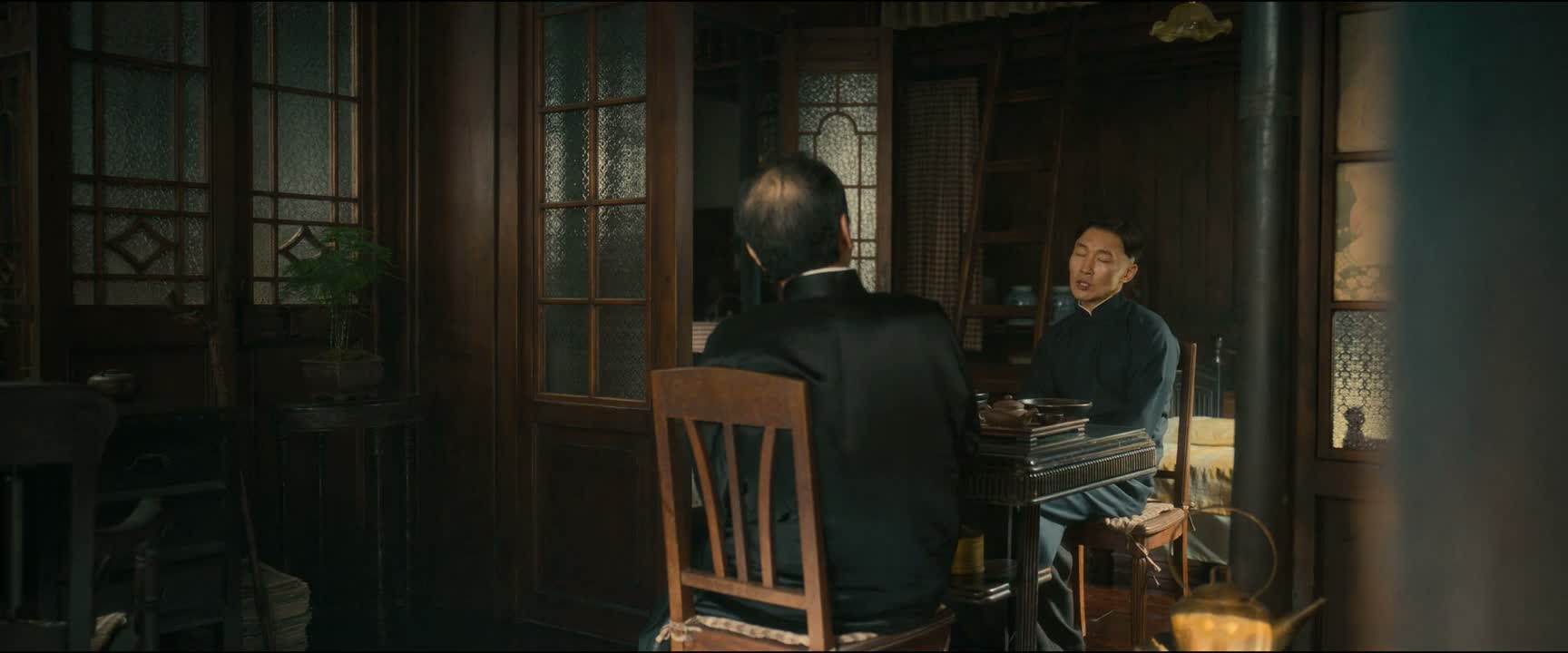
“I really don't know what to do. Since you are here,”

“I am at a loss.”

“I really wouldn't know what to do.”
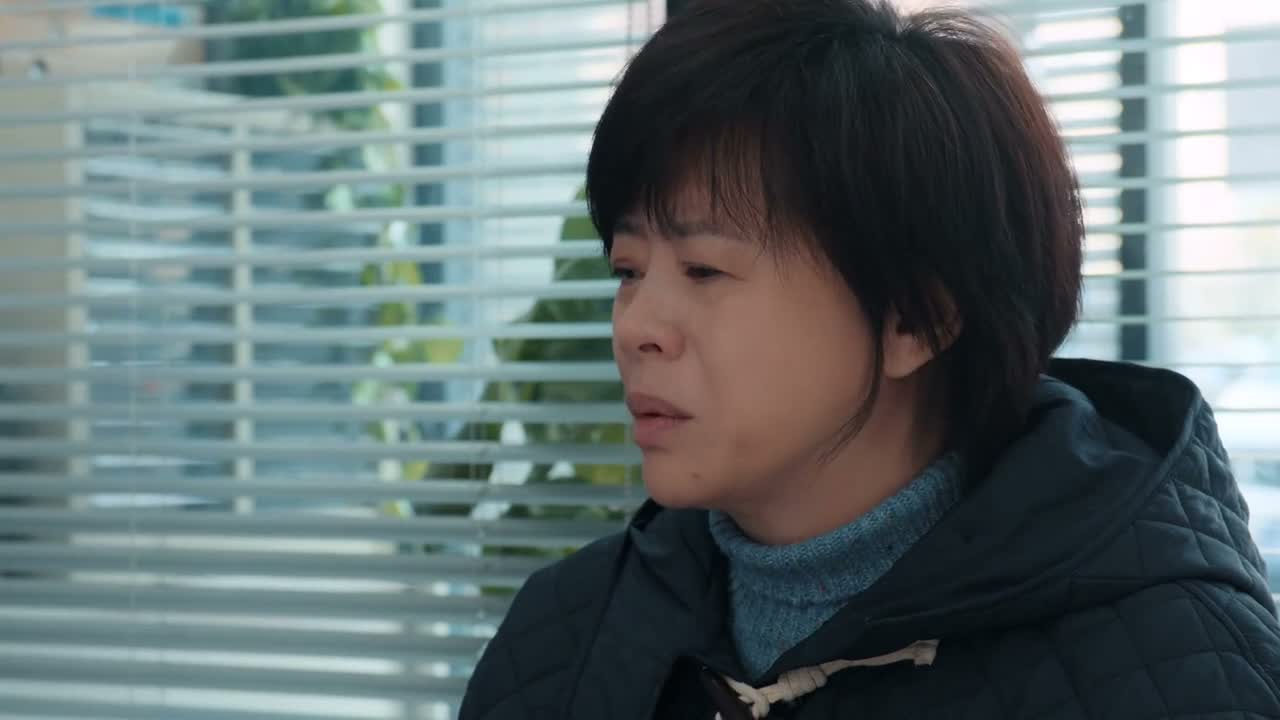
“I really don't know what to do.”

“Honestly, neither did I.”

“I really don't know what to do.”

“I wouldn't have known what to do.”

“so she doesn't know how to deal with it.”

“I don't know what to do anymore.”

“I don't know what to do now.”

“I truly don't know what to do now.”

“I didn't know what to do.”

“I don't know what you've been up to lately! So what can I do?”
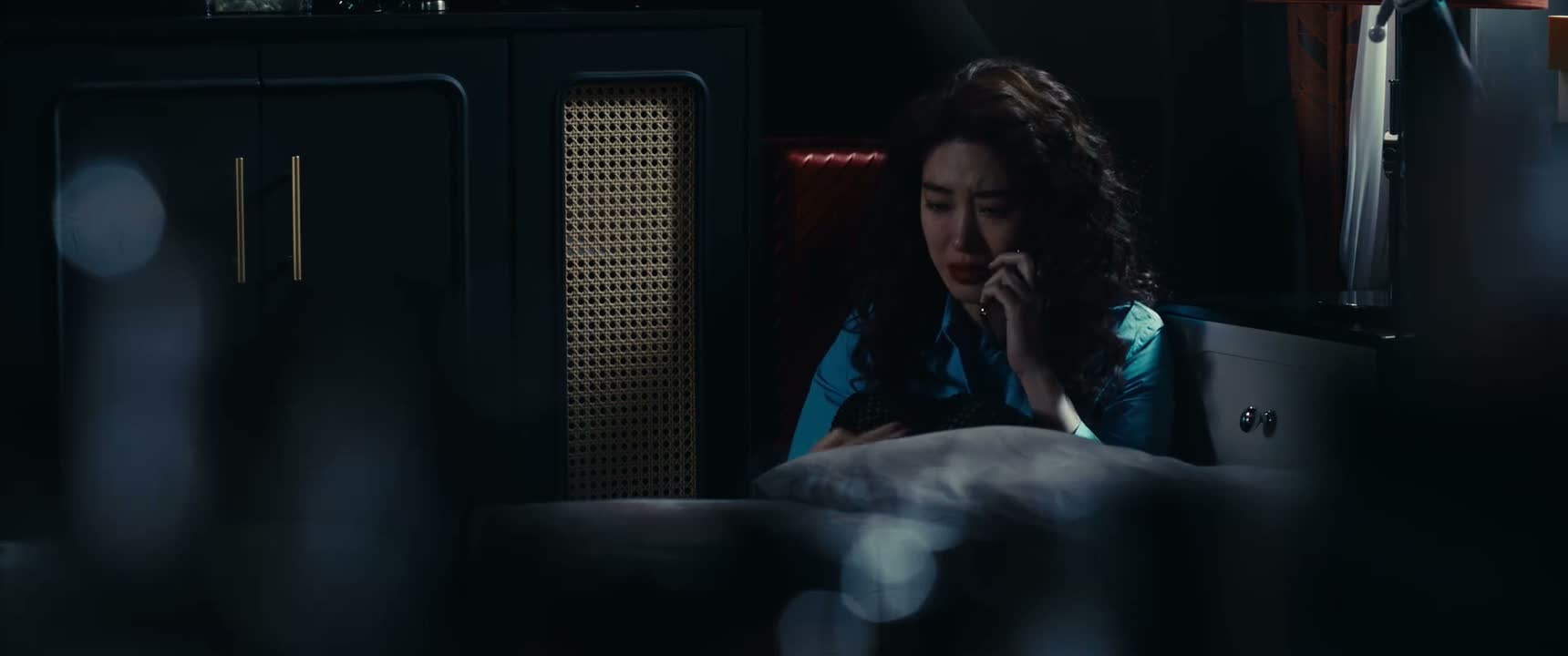
“I didn't know what else to do.”
“Otherwise, I'd have no idea what to do.”