其实我也不知道
“Honestly, neither did I.”
THE DIALOGUE REEL
我怎么不知道?
“I didn't know that.”
其实我也不知道
“Honestly, neither did I.”
这是怎么回事?
“What has happened?”
Direct spoken expression in this communicative setting.
Using '其实' softens the admission of ignorance by signaling an honest, empathetic sharing of the listener's confusion.
LEARNING CHUNKS & PARTICLES
actually, I don't know either
A natural everyday response when someone asks you a question expecting an answer, but you are just as bewildered.
VOCABULARY & EXPRESSIONS
Parallel Spoken Cinema Scenes (语义近邻切片)
“No idea.”

“I really have no idea.”

“I... I don't really know the details.”

“I don't know either. It's just a guess.”

“I'm not quite sure about it.”
“I don't either. But I need to figure it out.”

“I don't know why. I really don't know why.”

“I really don't know.”

“I didn't see this coming.”

“How could there be anything I don't know?”

“I assume you don't know either.”

“It's all I know. It's all I know.”

“But I don't know why”

“I don't know why we have to end like this today.”

“I wouldn't know.”

“I don't know when it was,”
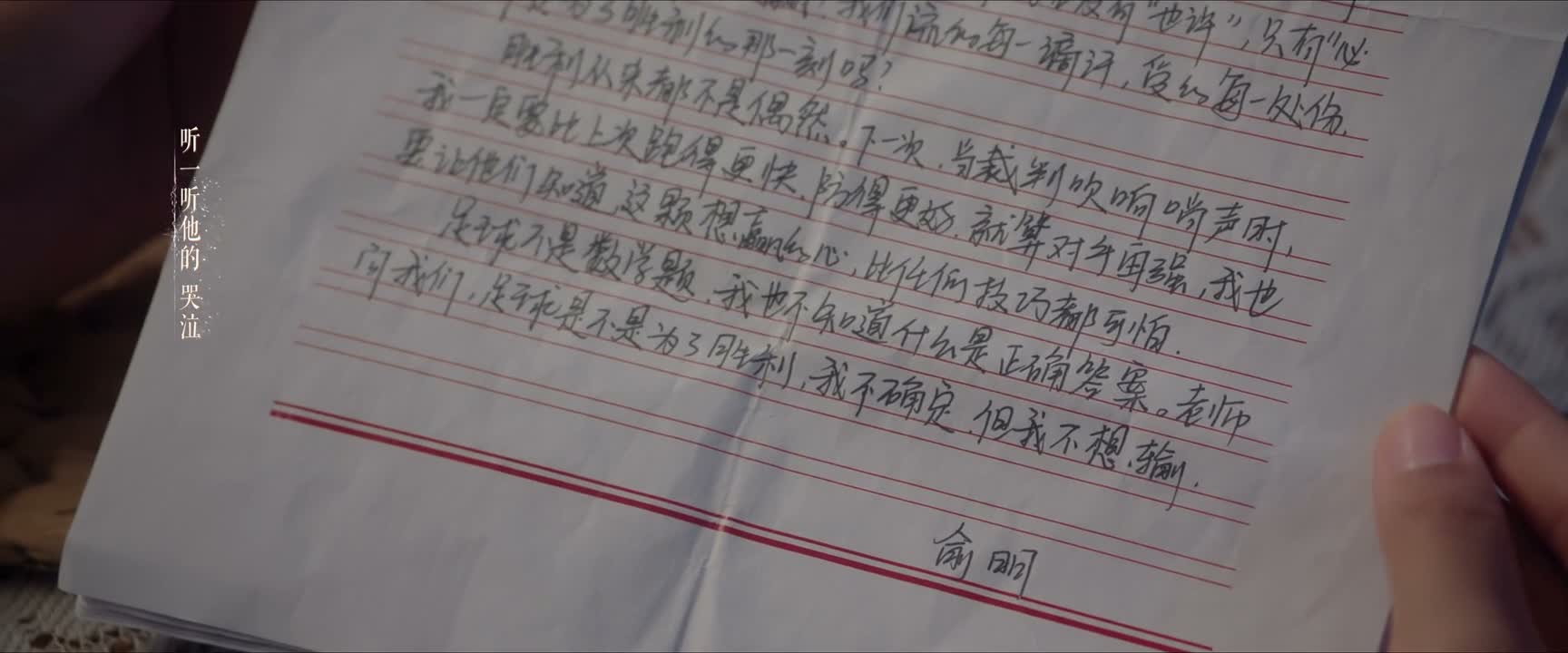
“♪ Listen closely to its cries ♪ [I'll make sure I run faster than I did last time.] so I don't know if there's a right answer. No matter what,”

“I don't know why,”

“I don't even know if I did the right thing.”

“I really don't know that.”

“I don't even know what I really want.”
“I really don't know anything.”

“I don't know what you see in me.”
“But we don't know”
“I really don't know that.”

“Actually, I don't know what's wrong with me.”

“I don't know. I truly don't know.”
“Because I didn't know what was going on back then.”
“But I don't know what's going on.”

“I really don't know anything!”
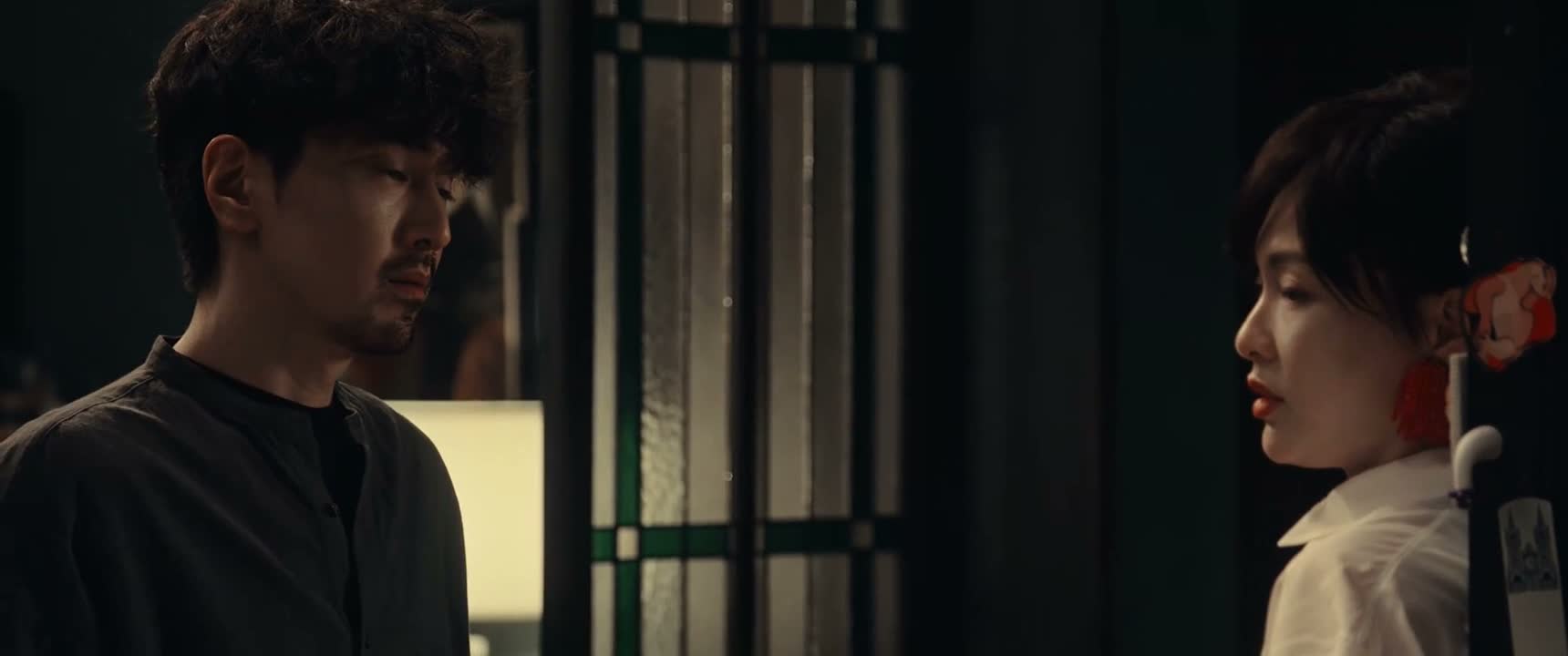
“Honestly, I don't know what to do yet.”

“when he was abroad? I have no idea at all.”

“I don't know how to explain it.”
“I just don't understand.”

“I really don't know what happened.”

“I don't know either.”