其实我不知道自己怎么了
“Actually, I don't know what's wrong with me.”
THE DIALOGUE REEL
我没事
“I'm fine.”
其实我不知道自己怎么了
“Actually, I don't know what's wrong with me.”
但我感觉
“But I think”
“I pretended to be fine earlier, but I am actually losing control of my emotions.”
Chinese speakers frequently reflexively say 'I'm fine' (没事) to avoid burdening others, so following it with 'Actually...' marks genuine trust and emotional unveiling.
LEARNING CHUNKS & PARTICLES
what is wrong / what happened
When applied to oneself ('自己怎么了'), it expresses disorientation or sudden emotional upheaval.
do not know
Basic spoken chunk, here functioning to signal emotional bewilderment rather than mere lack of information.
Indicates a change of state, highlighting that something has gone amiss or shifted internally.
VOCABULARY & EXPRESSIONS
Parallel Spoken Cinema Scenes (语义近邻切片)
“No idea.”

“I just can't figure out”

“I don't know why we have to end like this today.”

“I don't know why,”

“I found I couldn't explain”

“I simply can't understand.”
“I just don't understand.”

“I really don't know.”

“I don't know what I should do, and I don't know where I should go.”

“I don't even know if I did the right thing.”

“I don't even know what I really want.”
“I really don't know that.”

“Honestly, neither did I.”

“I didn't know I caused so much trouble.”

“I really don't know what to do.”
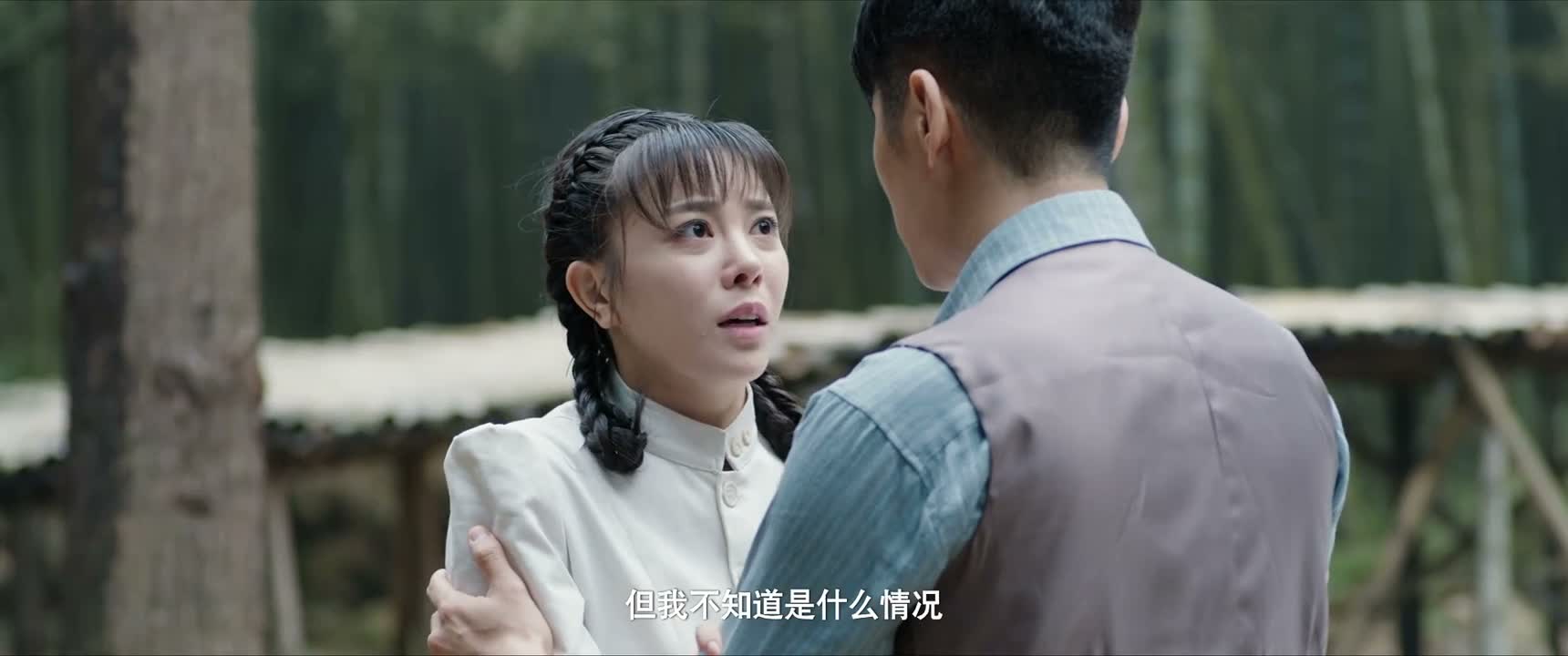
“But I don't know what's going on.”
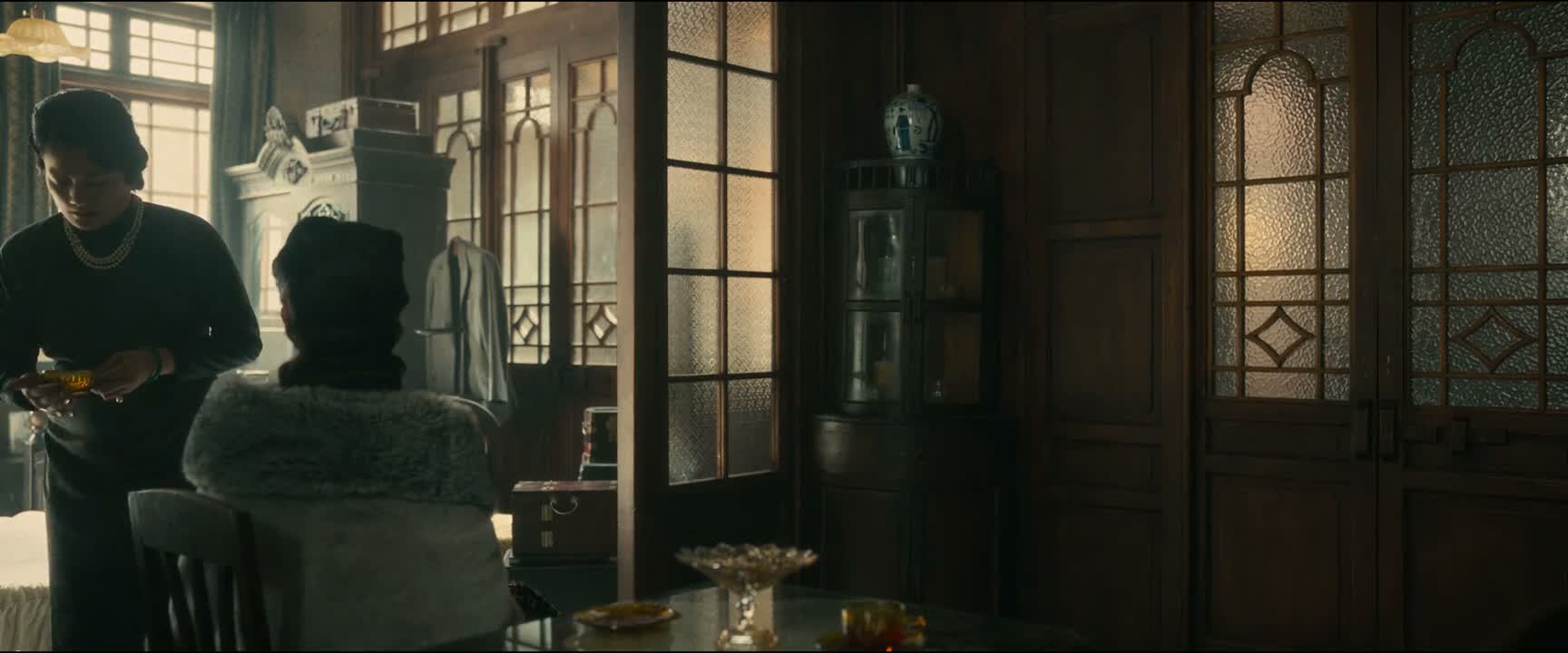
“I have neurasthenia, you know that.”
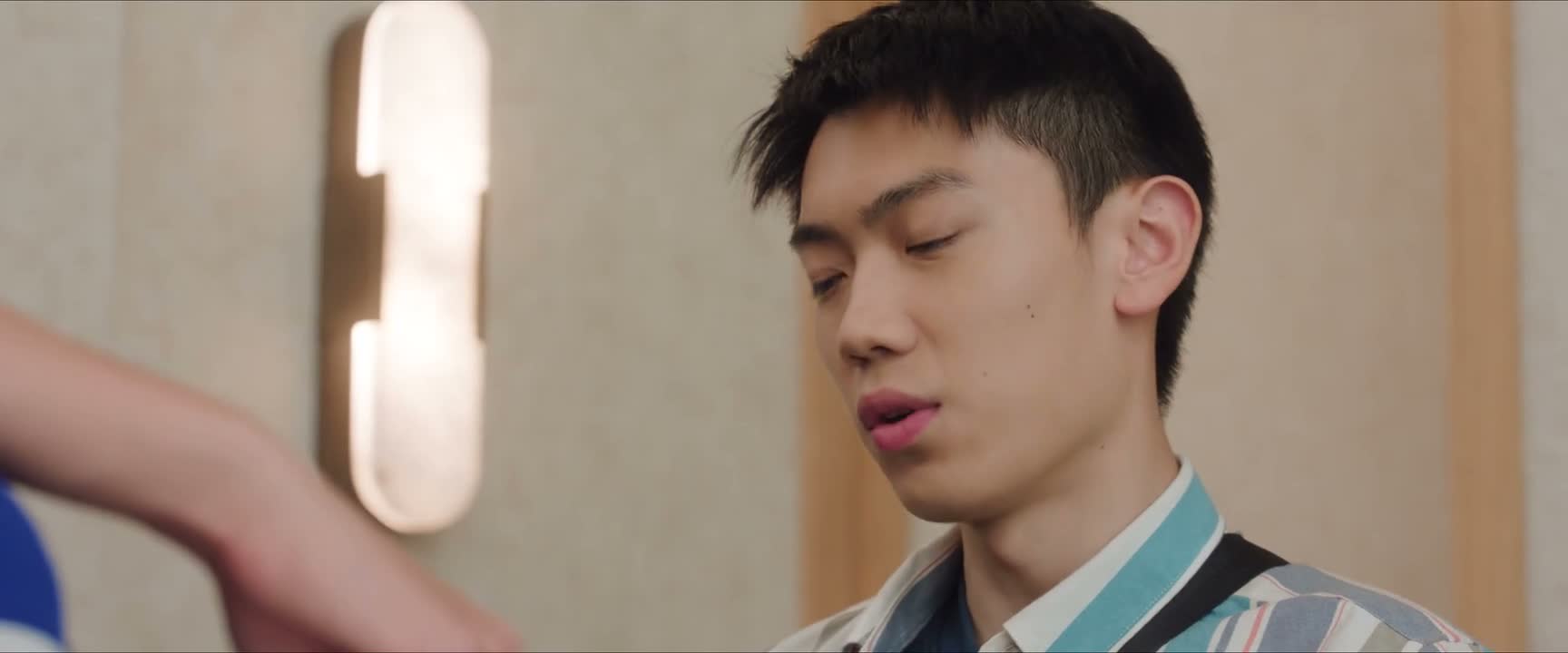
“I don't know what happened to me. I just went crazy.”
“Otherwise, I'd have no idea what to do.”

“I really don't know what happened.”

“Actually, I still don't get it.”