这个我是真的不太清楚
“No idea.”
THE DIALOGUE REEL
“Why would he steal the Jade Sunflower?”
这个 我是 真的 不太清楚
“No idea.”
聂恒城发现了之后
“After Nie Hengcheng discovered it,”
“Do not pull me into this; even if I suspect something, I refuse to take the blame or get involved.”
Using understated phrases like 'not very clear' rather than blunt denials allows speakers to avoid confrontation and protect themselves in perilous situations.
LEARNING CHUNKS & PARTICLES
not very clear / not entirely sure
A classic Chinese hedging device used to soften a denial of knowledge or politely avoid committing to an answer.
genuinely / truly
Used to add emphasis and sound more convincing when professing honesty or ignorance.
VOCABULARY & EXPRESSIONS
Parallel Spoken Cinema Scenes (语义近邻切片)

“I really have no idea.”

“I'm not quite sure about it.”
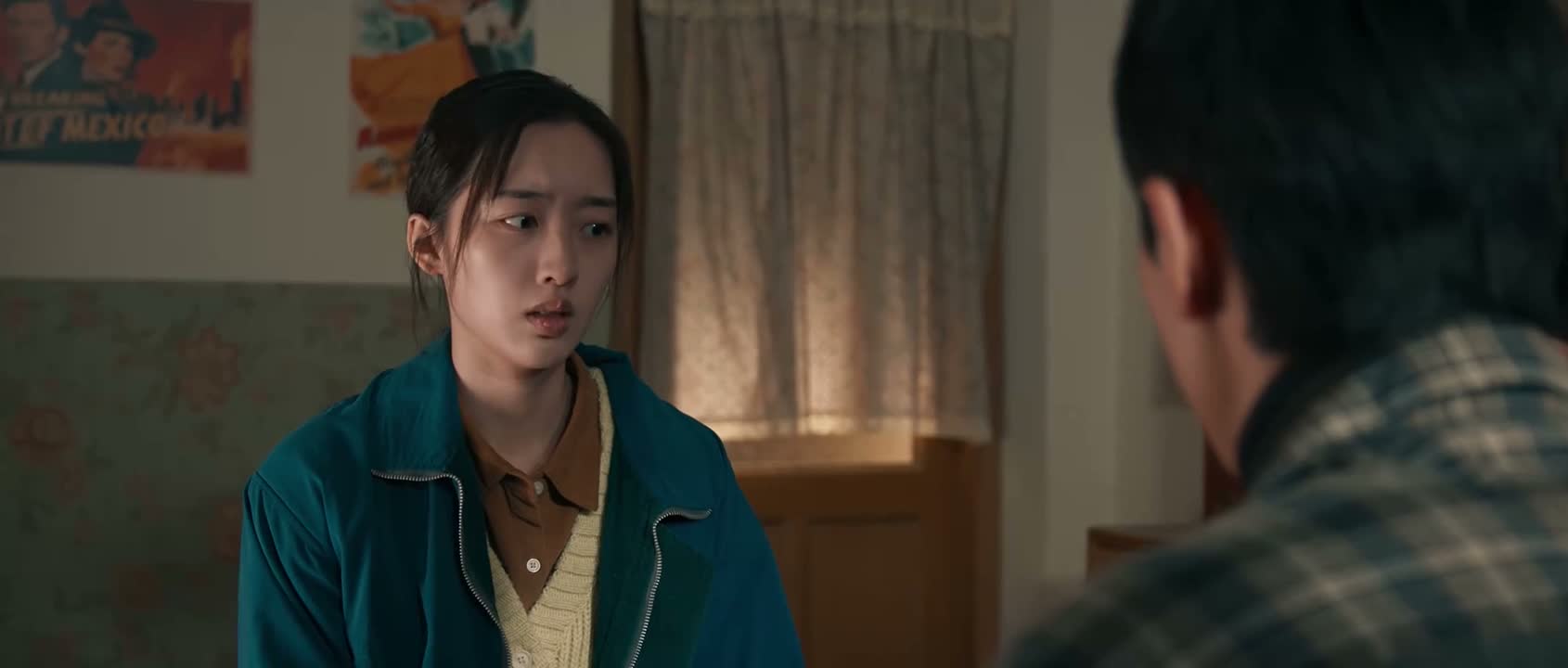
“I'm not too sure about that.”
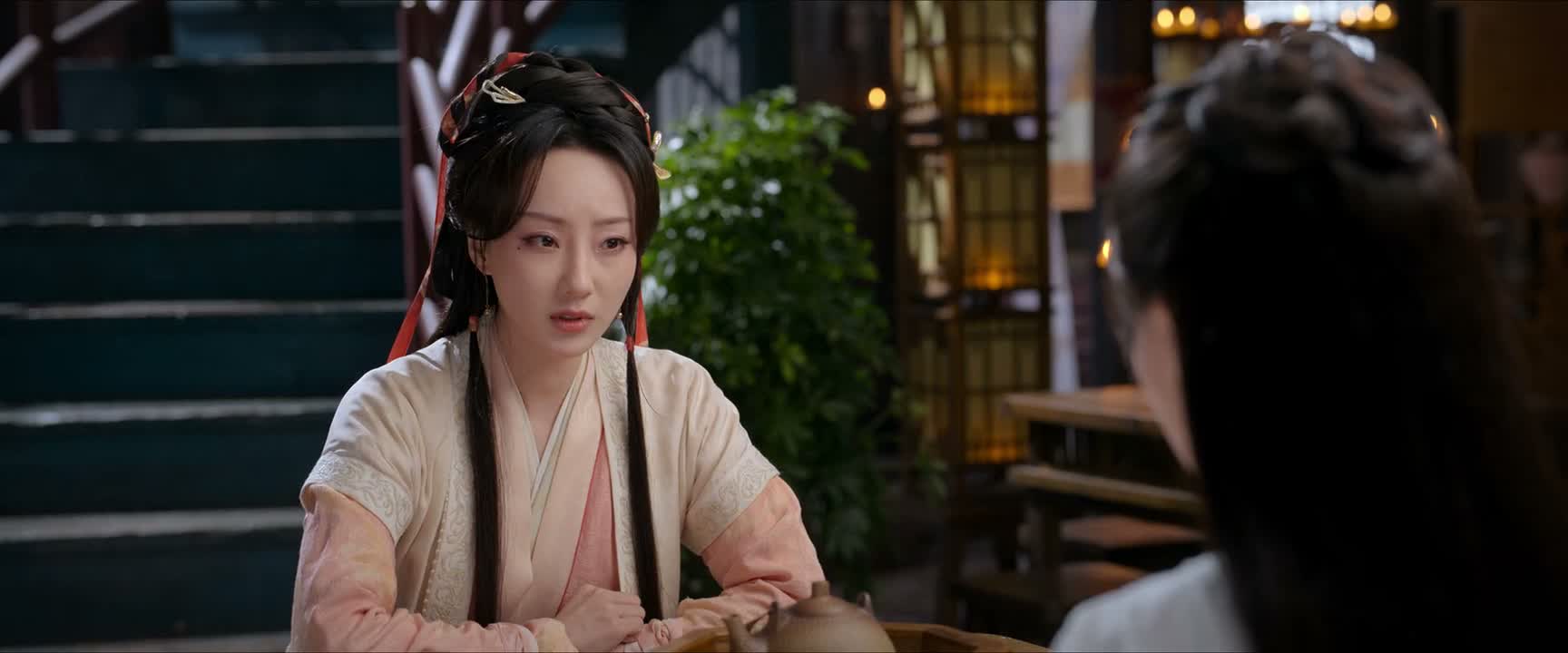
“I'm not so sure about that.”

“I... I don't really know the details.”

“I really don't know.”
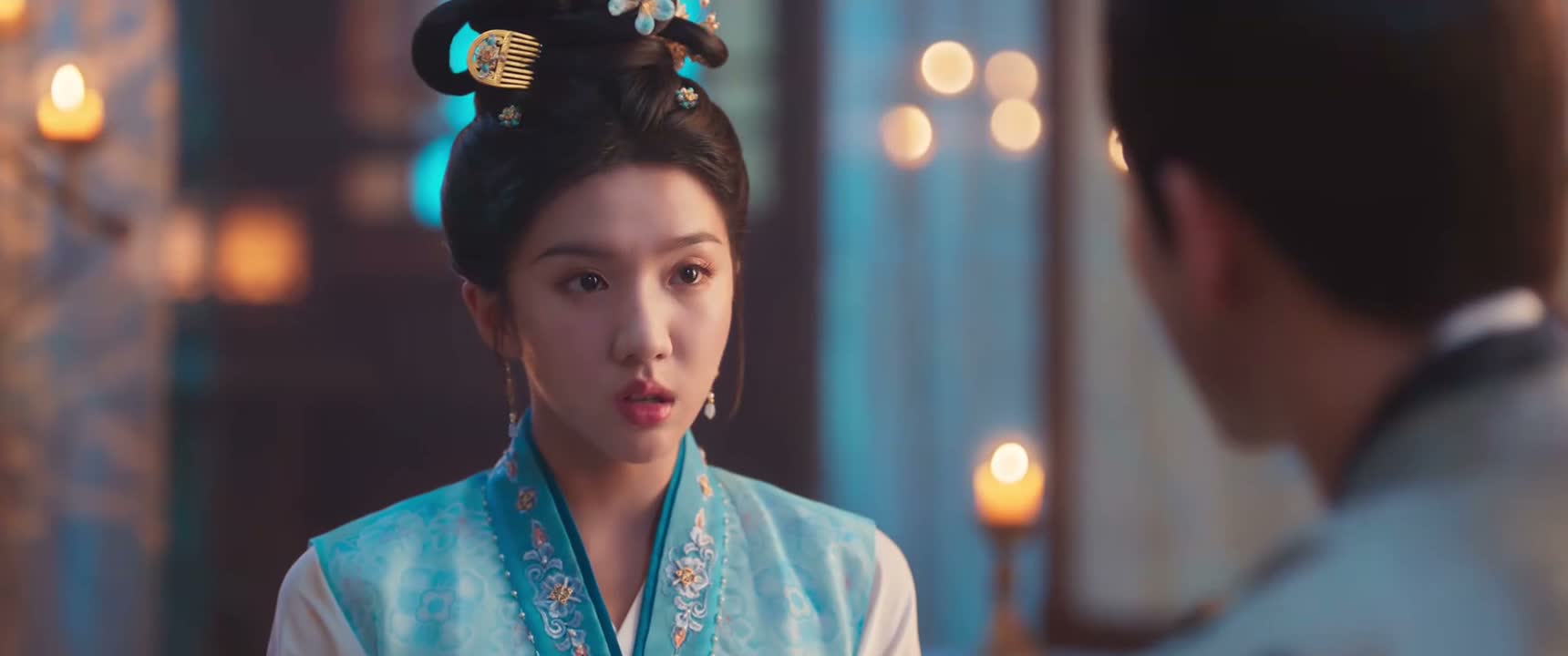
“these things out at all.”

“Well… I'm not sure.”

“I just wonder if he knows”

“I wouldn't know.”
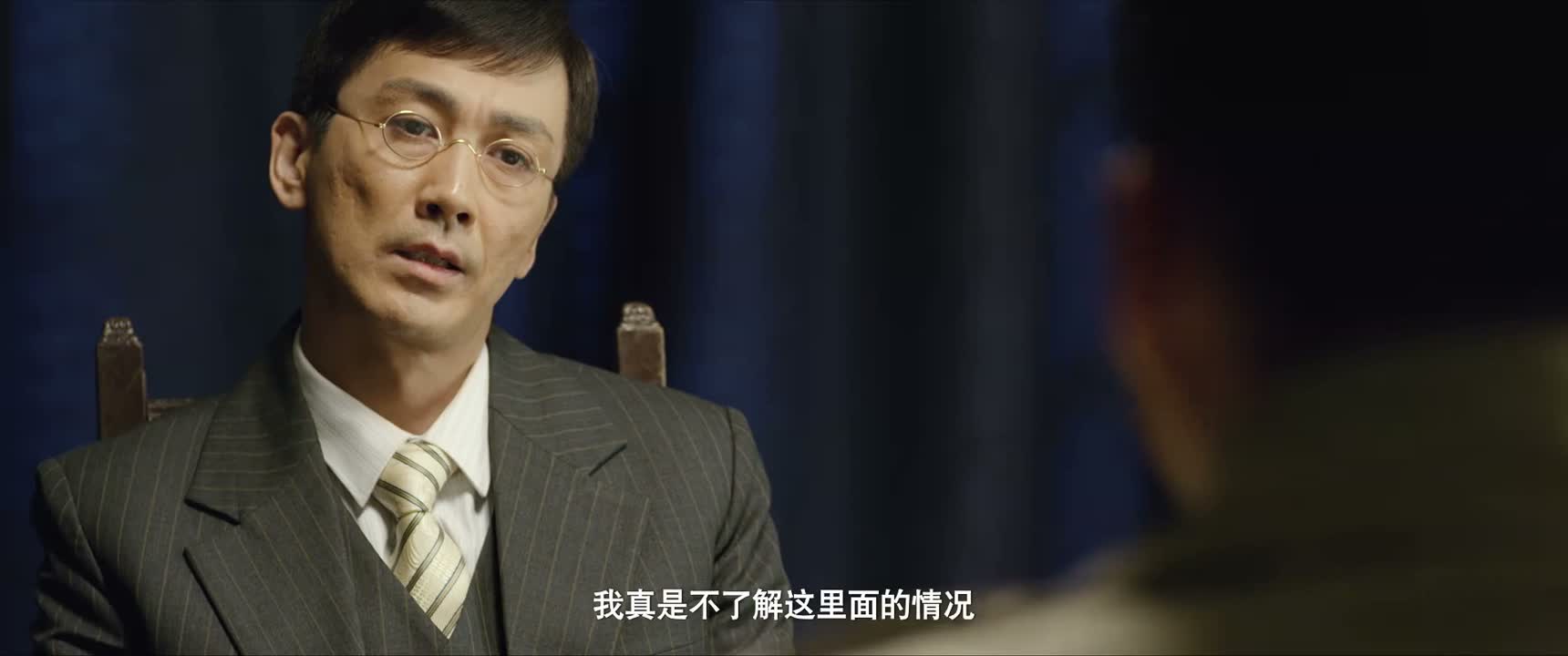
“You really don't get it, do you?”

“I really don't know that.”
“You know nothing, huh?”
“I really don't know that.”
“Actually, I don't know what's wrong with me.”

“Honestly, neither did I.”
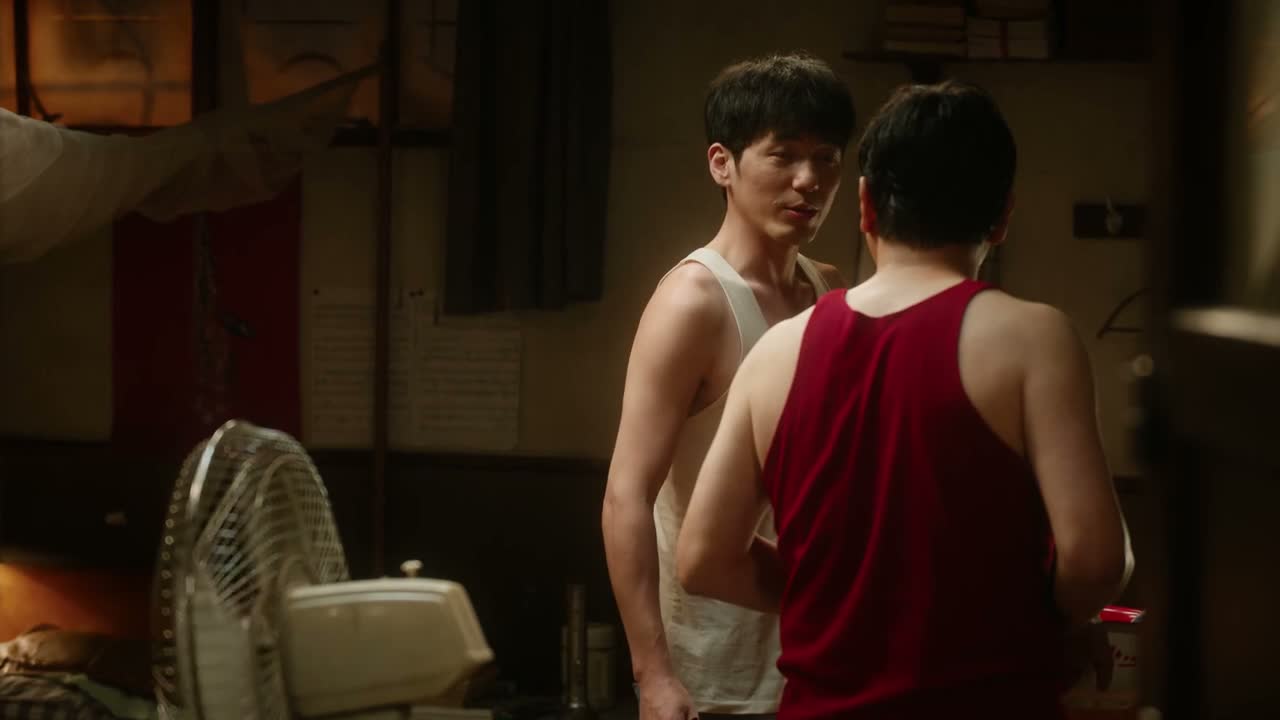
“The thing is, I don't know you very well.”

“But I don't know where it is.”
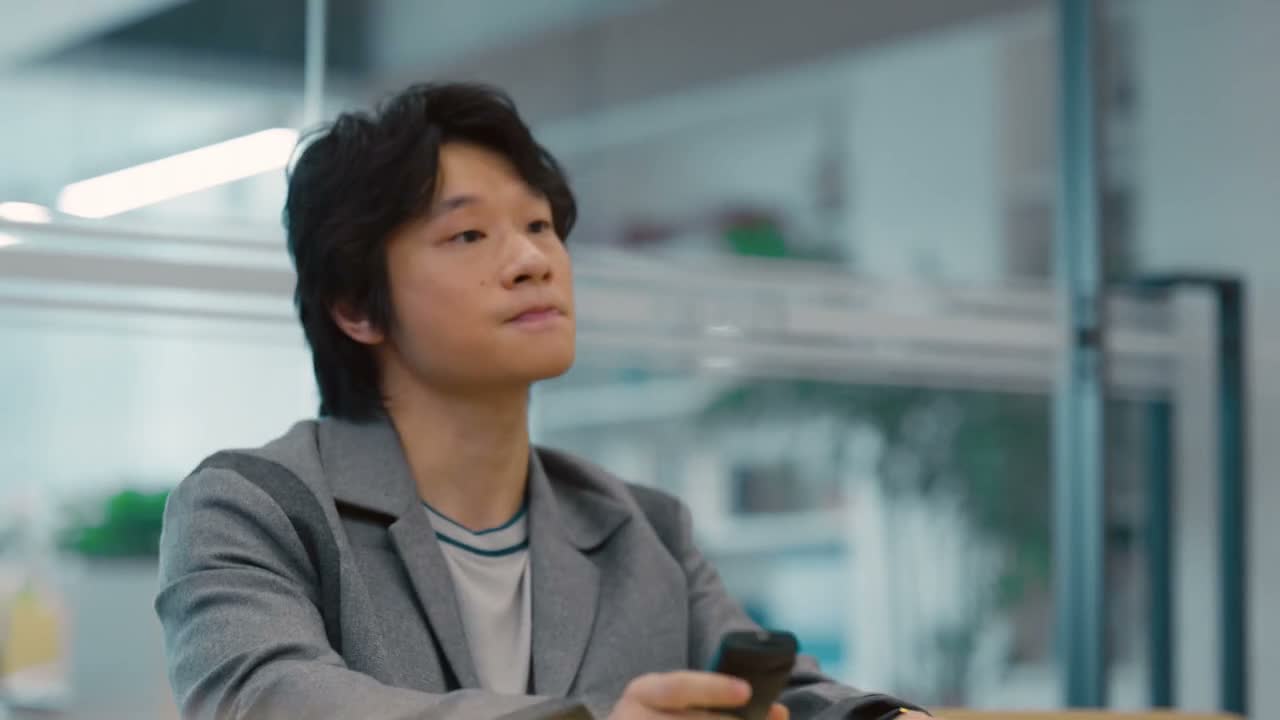
“so we don't know the specifics very well.”

“I'm not so sure. I'm sorry, sir. Is there anything else I can help you with?”

“I don't know either. It's just a guess.”
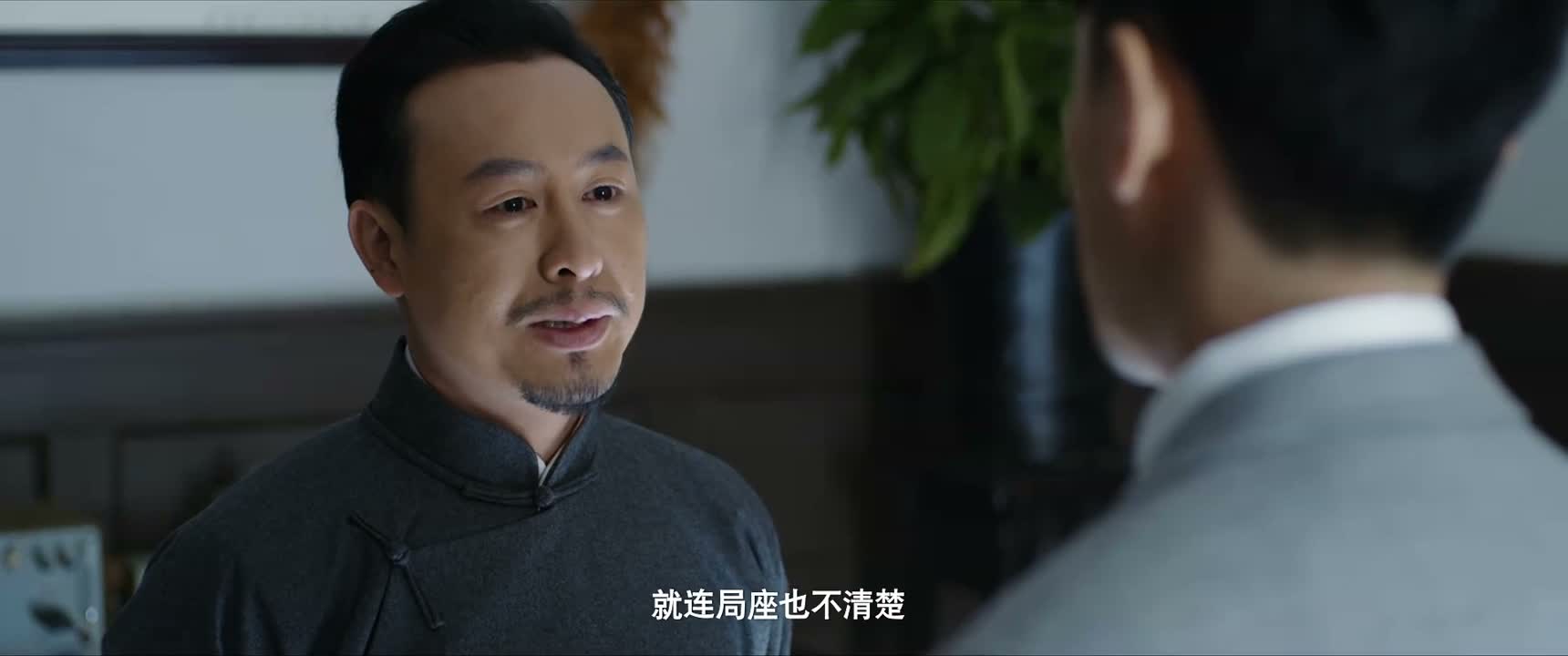
“Even the Bureau Chief doesn't know.”