我都不知道到底哪些 是我自己的意愿
“I don't even know what I really want.”
THE DIALOGUE REEL
其实很多时候
“Actually, most of the time,”
我都不知道 到底 哪些 是我自己 的意愿
“I don't even know what I really want.”
Direct spoken expression in this communicative setting.
Young Chinese adults often struggle to differentiate between internalized familial or societal expectations and their own authentic romantic desires.
LEARNING CHUNKS & PARTICLES
one's own wishes or free will
A useful phrase when discussing personal autonomy, self-determination, or societal pressures.
on earth; actually; after all
Placed before interrogatives to emphasize an unresolved question or internal searching.
VOCABULARY & EXPRESSIONS
Parallel Spoken Cinema Scenes (语义近邻切片)
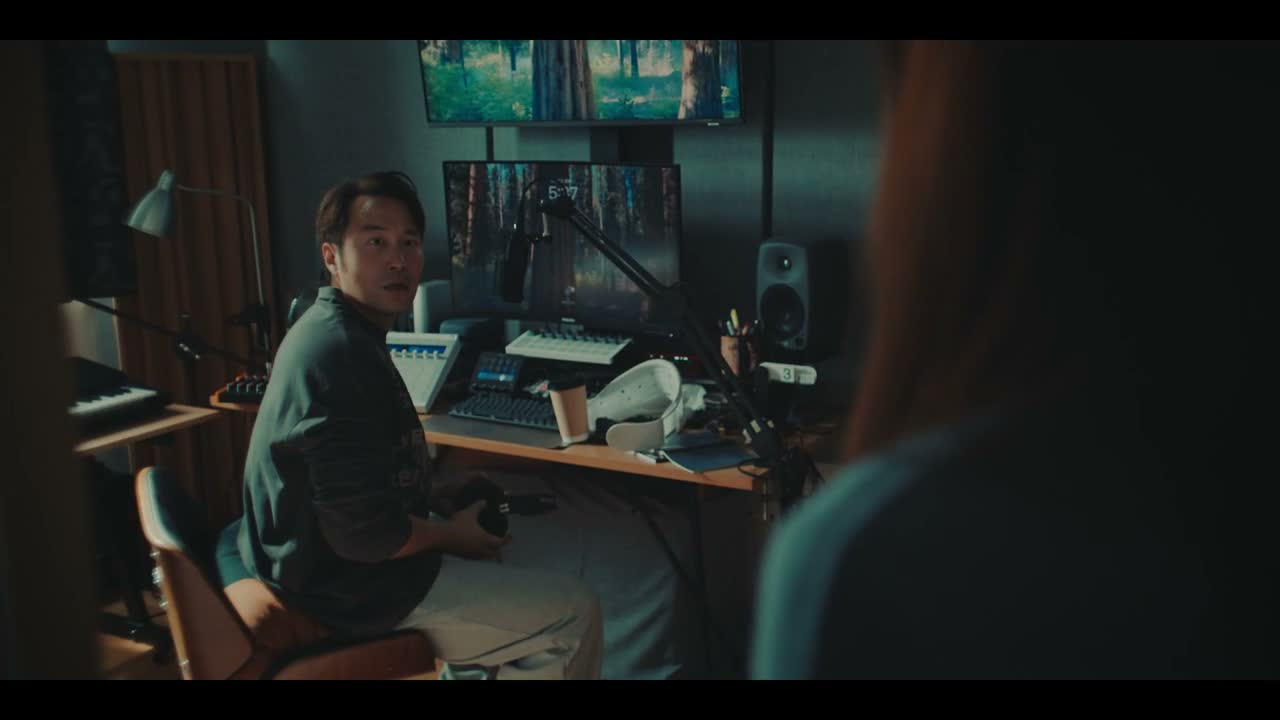
“I don't either. But I need to figure it out.”

“How could I not know anything?”

“I really don't know.”

“I don't know what I should do, and I don't know where I should go.”
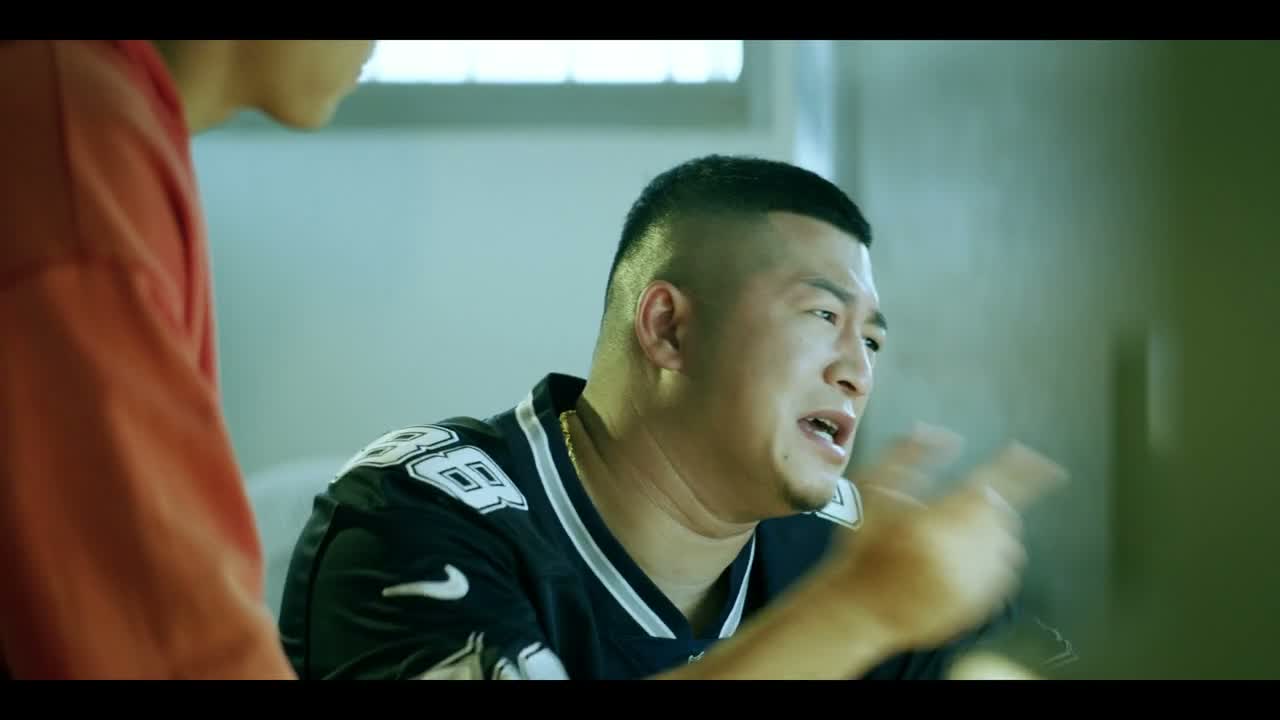
“We don't even know what language it is. How can we translate it?”
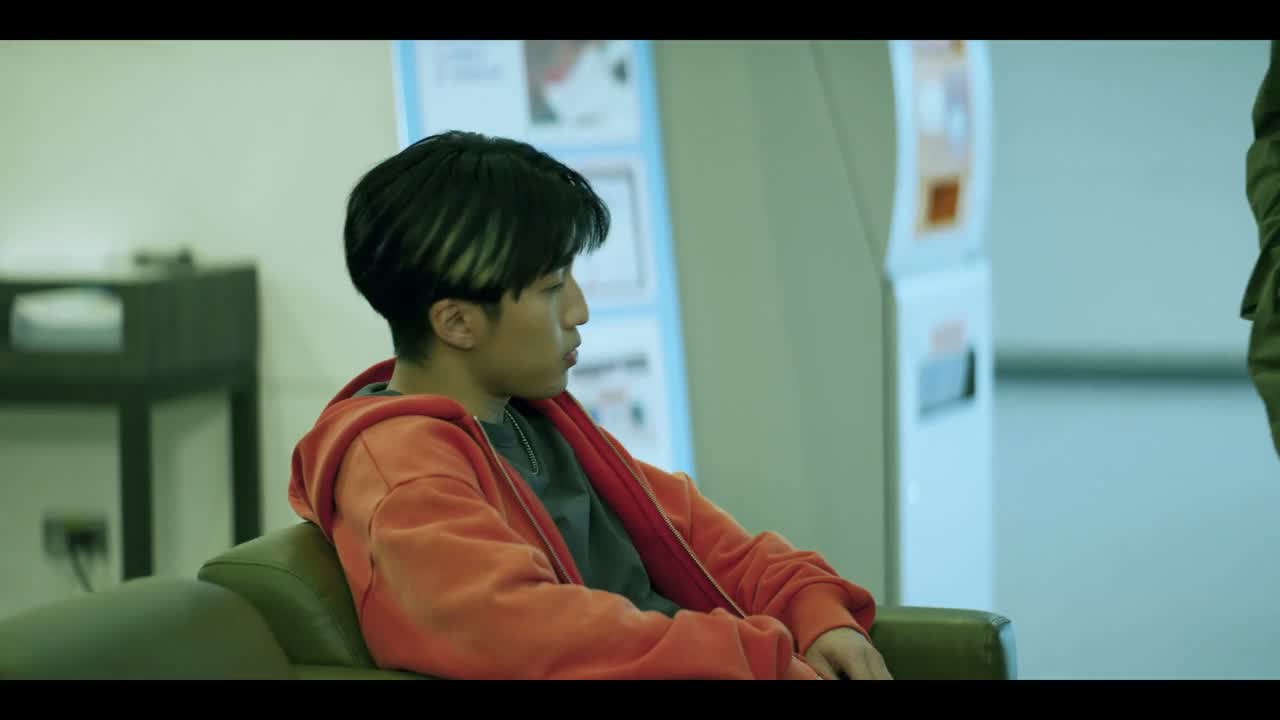
“What do you want? I don't even know anything.”
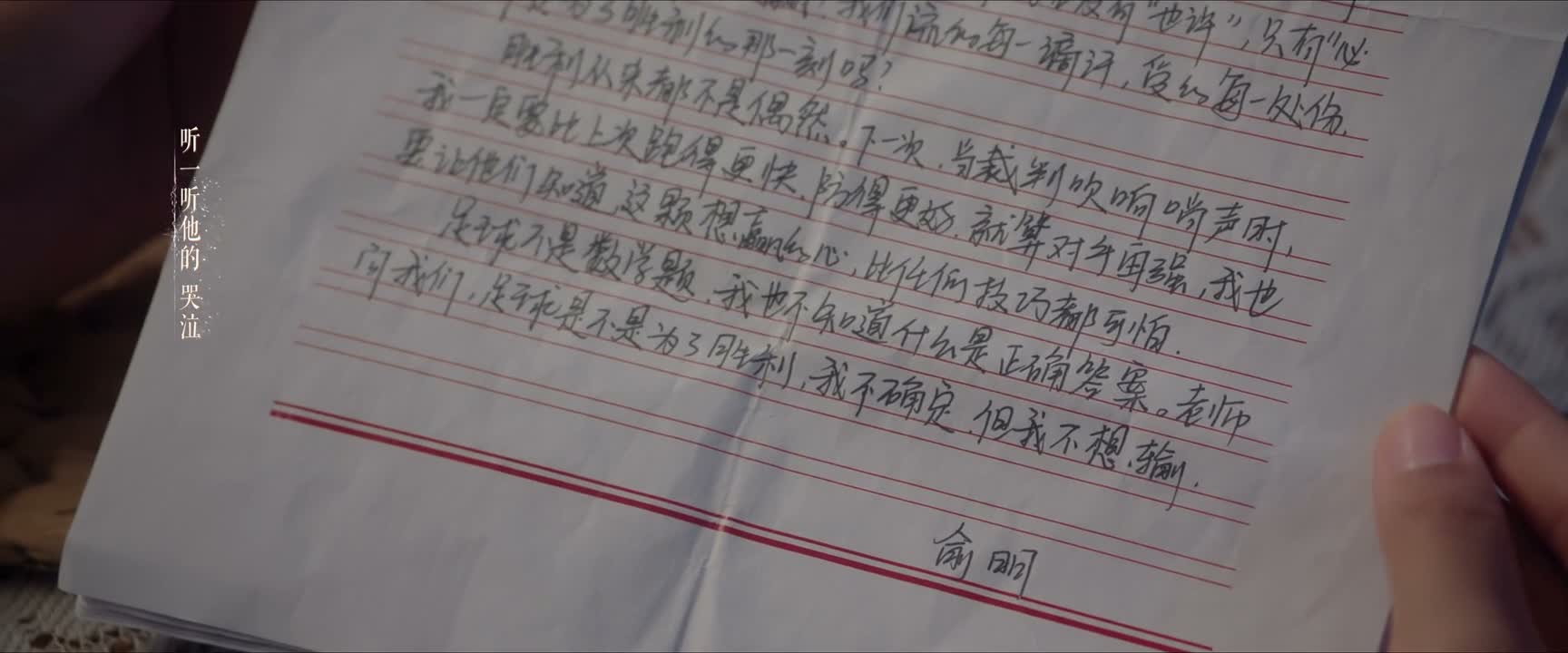
“♪ Listen closely to its cries ♪ [I'll make sure I run faster than I did last time.] so I don't know if there's a right answer. No matter what,”
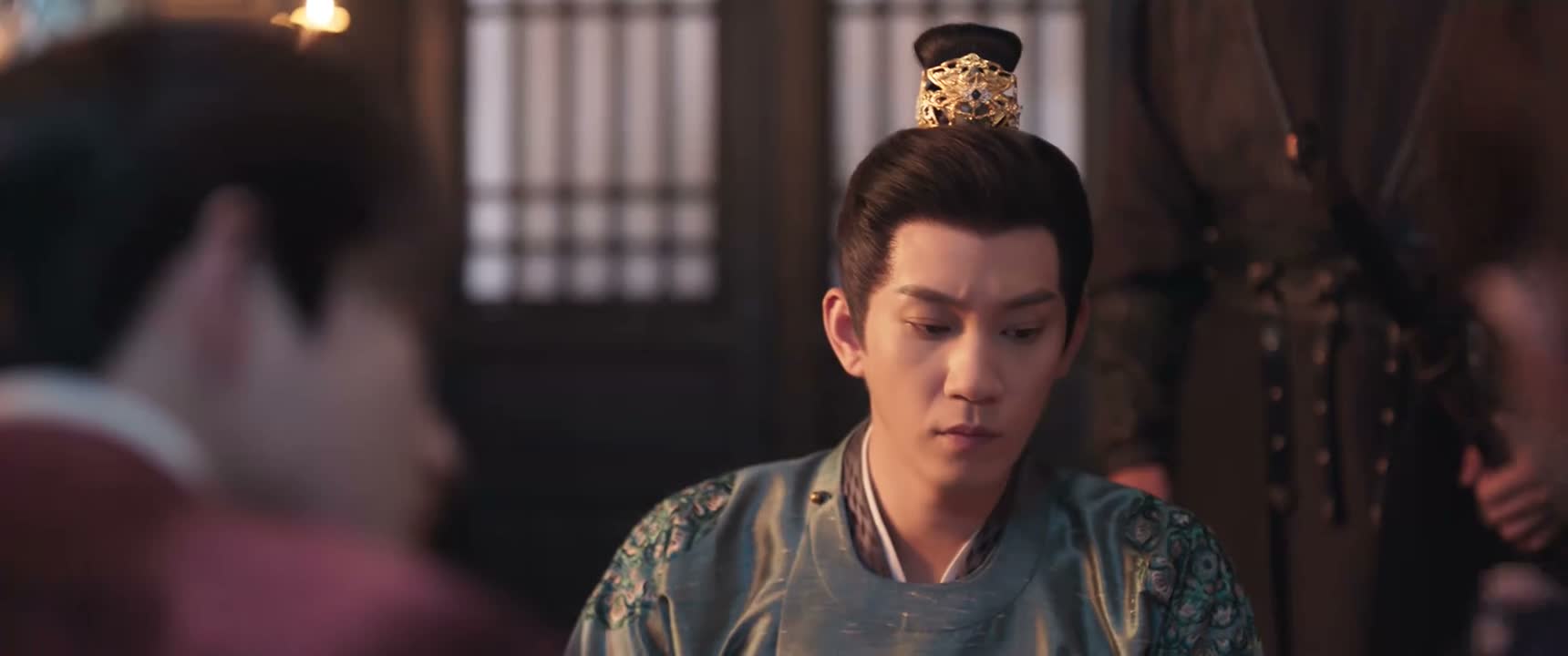
“I know nothing at all.”
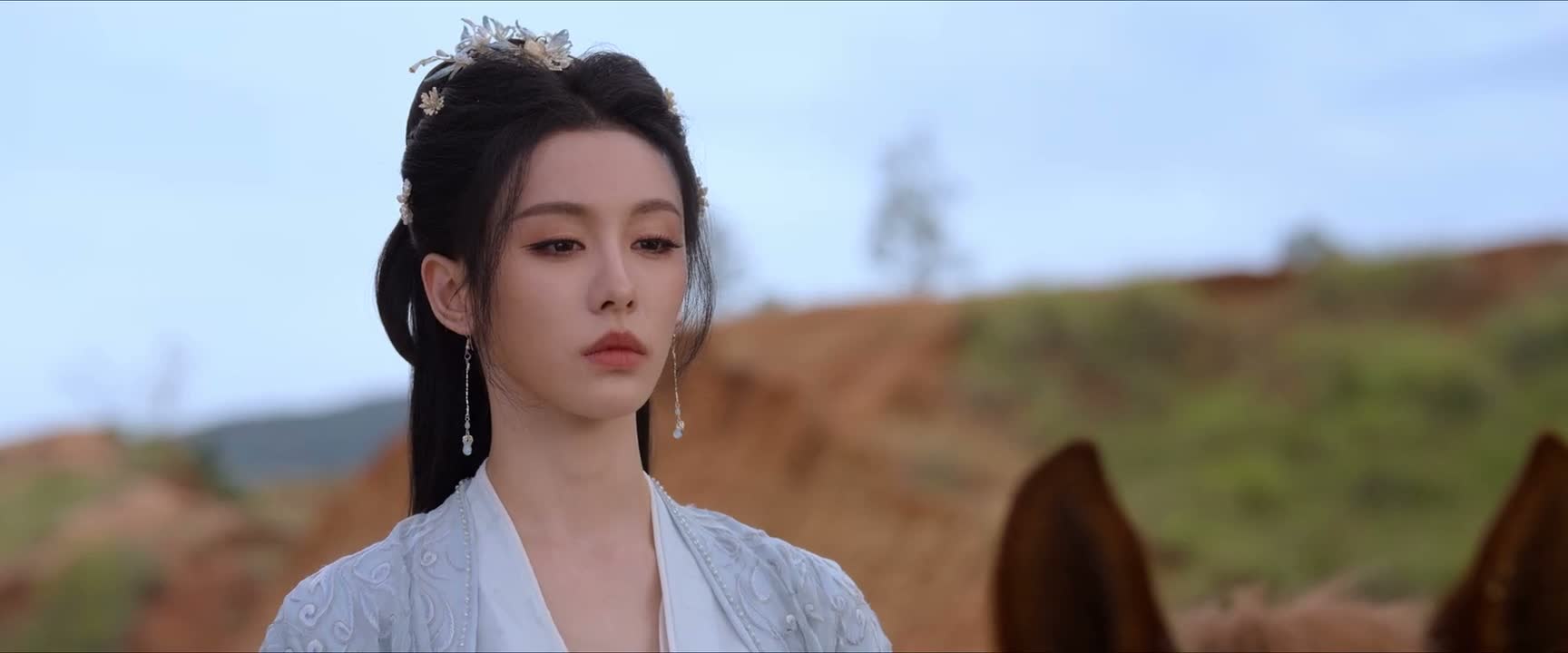
“I really don't know anything.”

“I don't know what you see in me.”
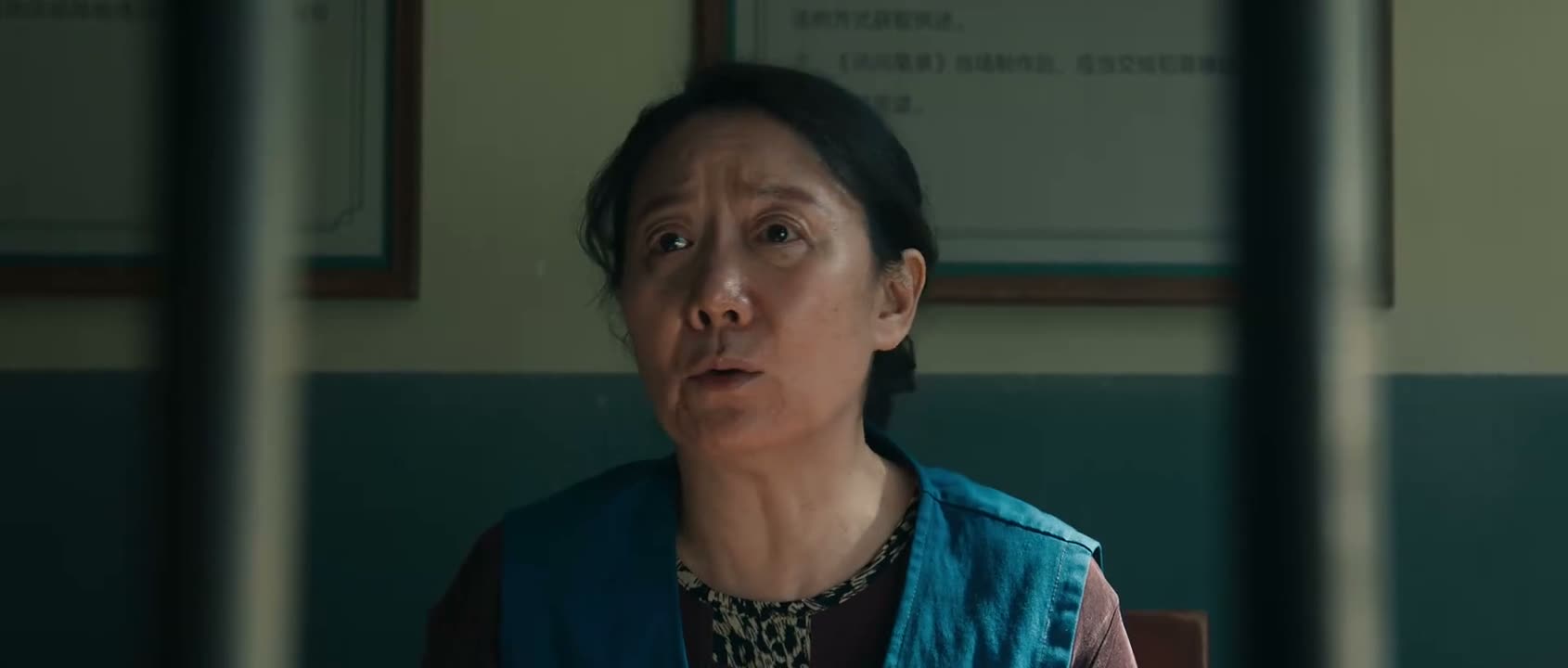
“I really don't know that.”

“I don't know anything! Let's see…”

“Actually, I don't know what's wrong with me.”

“I'm not sure what decision I would make.”
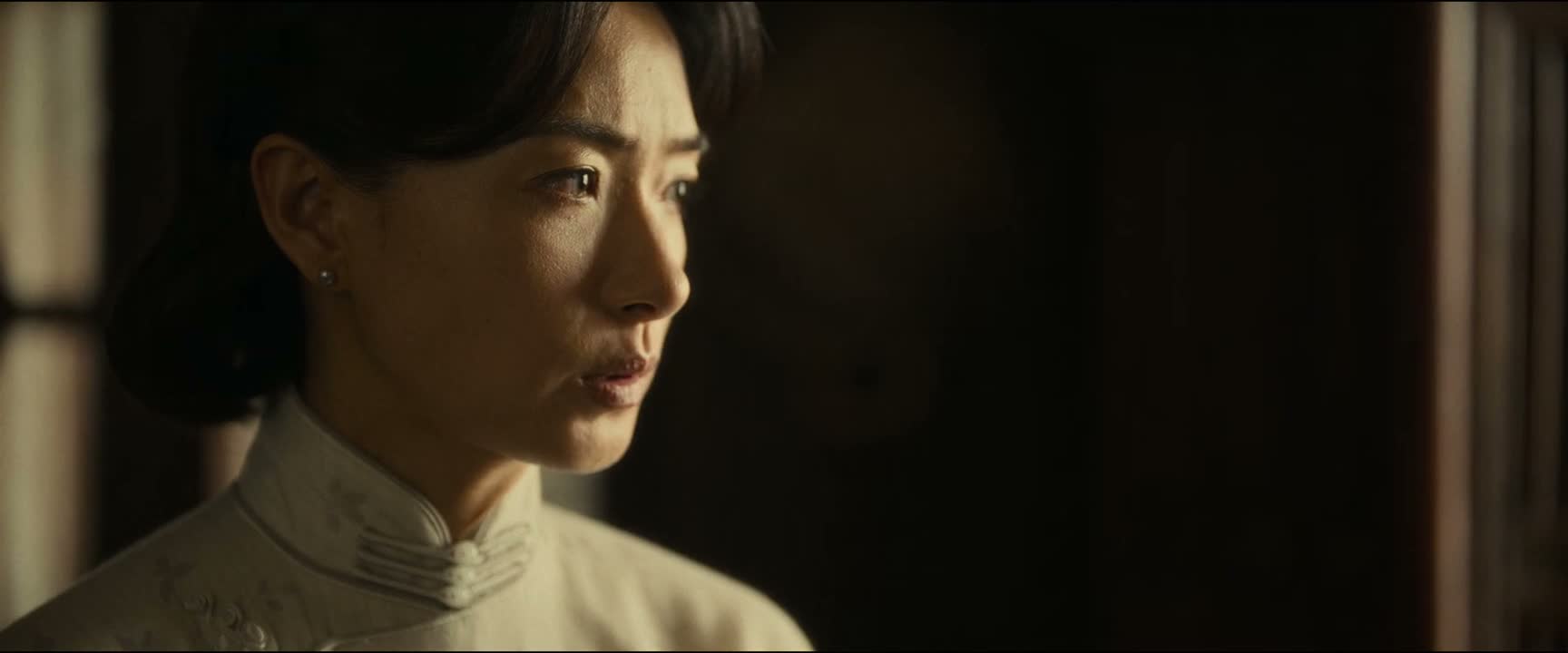
“I really don't know whether this is a good thing or a bad thing.”

“Honestly, neither did I.”

“I really don't know what to do.”

“we can't pretend we know nothing, can we?”

“I really don't know anything!”

“I don't know anything.”