我怎么会什么都不知道呢
“How could I not know anything?”
THE DIALOGUE REEL
“how could I not feel anything?”
我 怎么会 什么都不知道 呢
“How could I not know anything?”
“That's because she didn't want you to know.”
“How could I have been so blind and neglected this? I feel so guilty for not noticing at all.”
In Chinese family culture, loved ones often conceal illnesses, difficulties, or hardships to prevent each other from worrying. Consequently, caring family members often feel intense guilt and powerlessness upon discovering the truth later.
LEARNING CHUNKS & PARTICLES
how could it be that...; how is it possible that...
A rhetorical sentence pattern used to emphasize disbelief, confusion, or self-reproach, carrying a much stronger emotional tone than simply asking 'why'.
to know nothing at all; to be completely in the dark
A common colloquial total-negation expression highlighting one's passive state and utter unawareness of a situation.
Placed at the end of a rhetorical question to intensify the tone of perplexity, incredulity, and self-reflection.
VOCABULARY & EXPRESSIONS
Parallel Spoken Cinema Scenes (语义近邻切片)

“We know nothing. How can we find her?”

“We don't even know what language it is. How can we translate it?”

“What do you want? I don't even know anything.”

“And I had no idea.”

“I know nothing at all.”

“I don't even know what I really want.”

“I don't know anything. I'll get back to work now.”
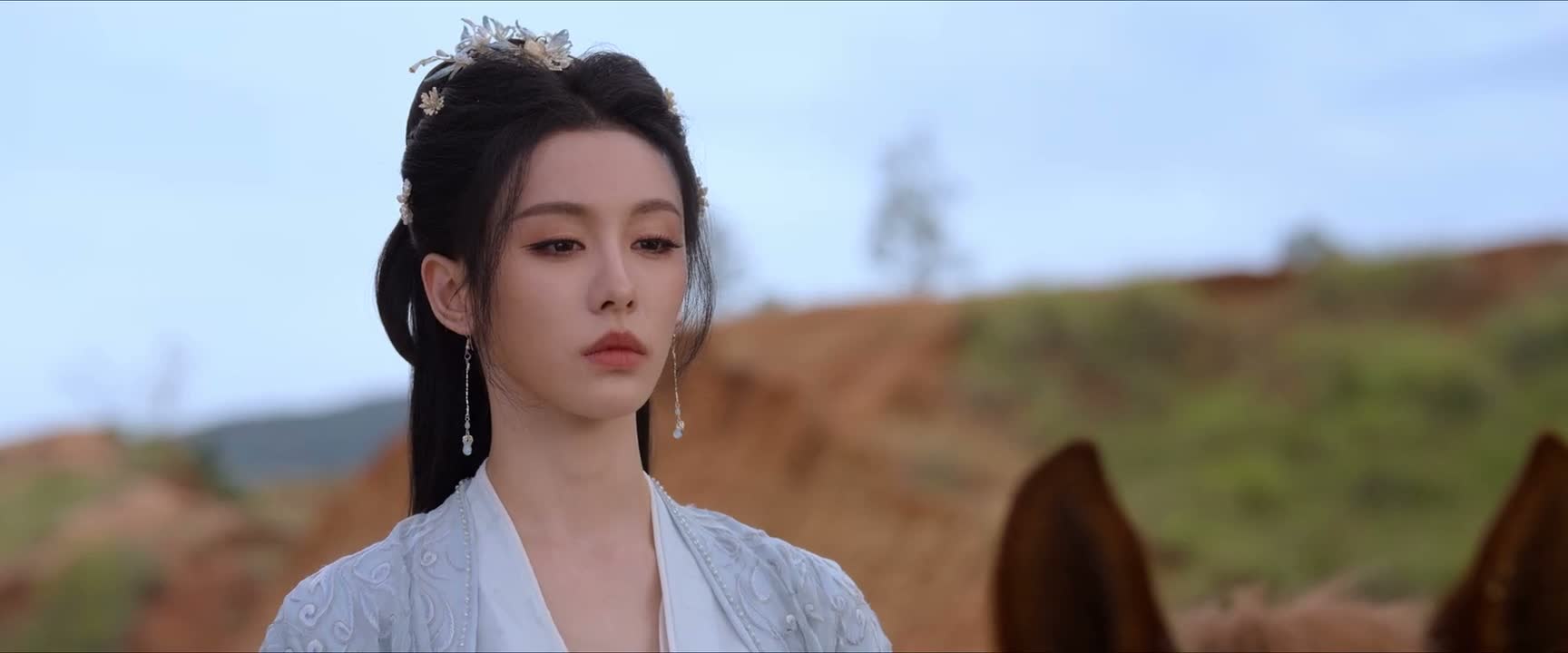
“I really don't know anything.”

“I know nothing. That person knocked me out.”

“I really don't know anything else.”
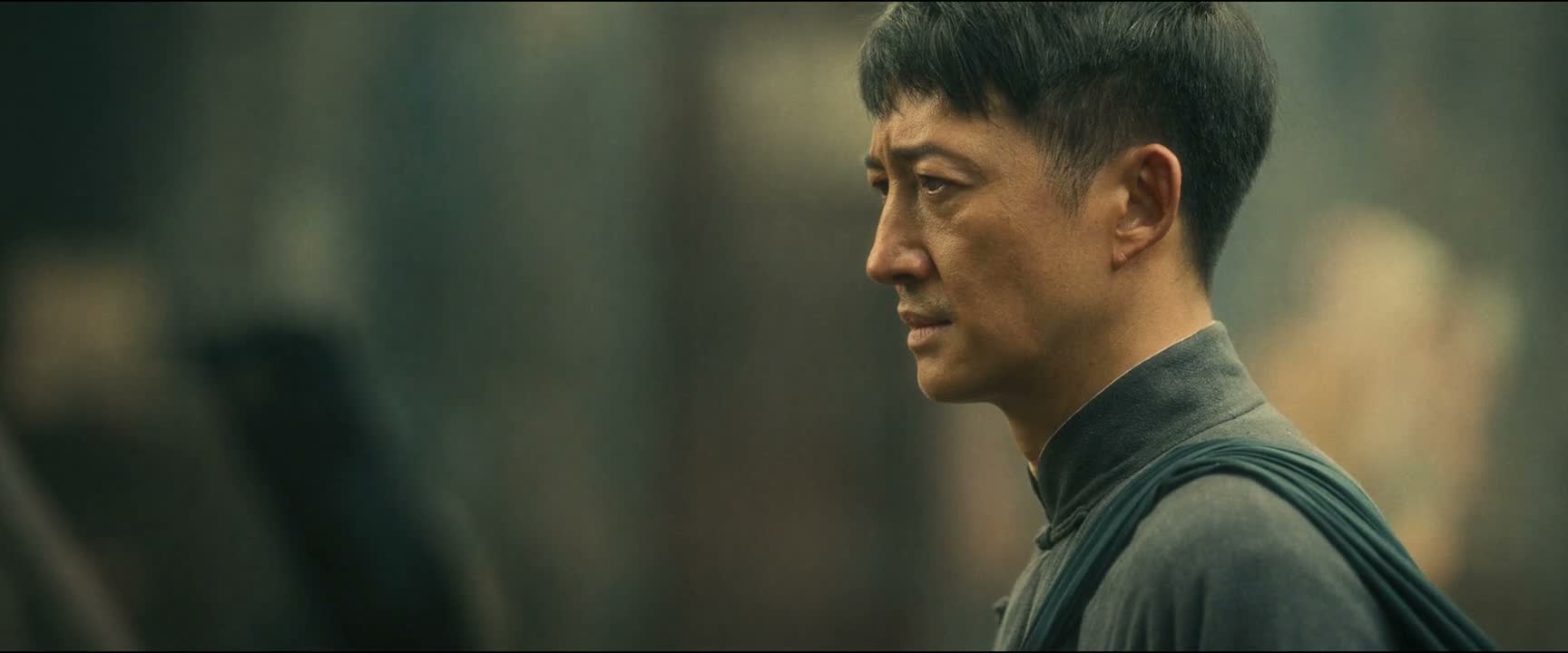
“You don't know what I asked you.”
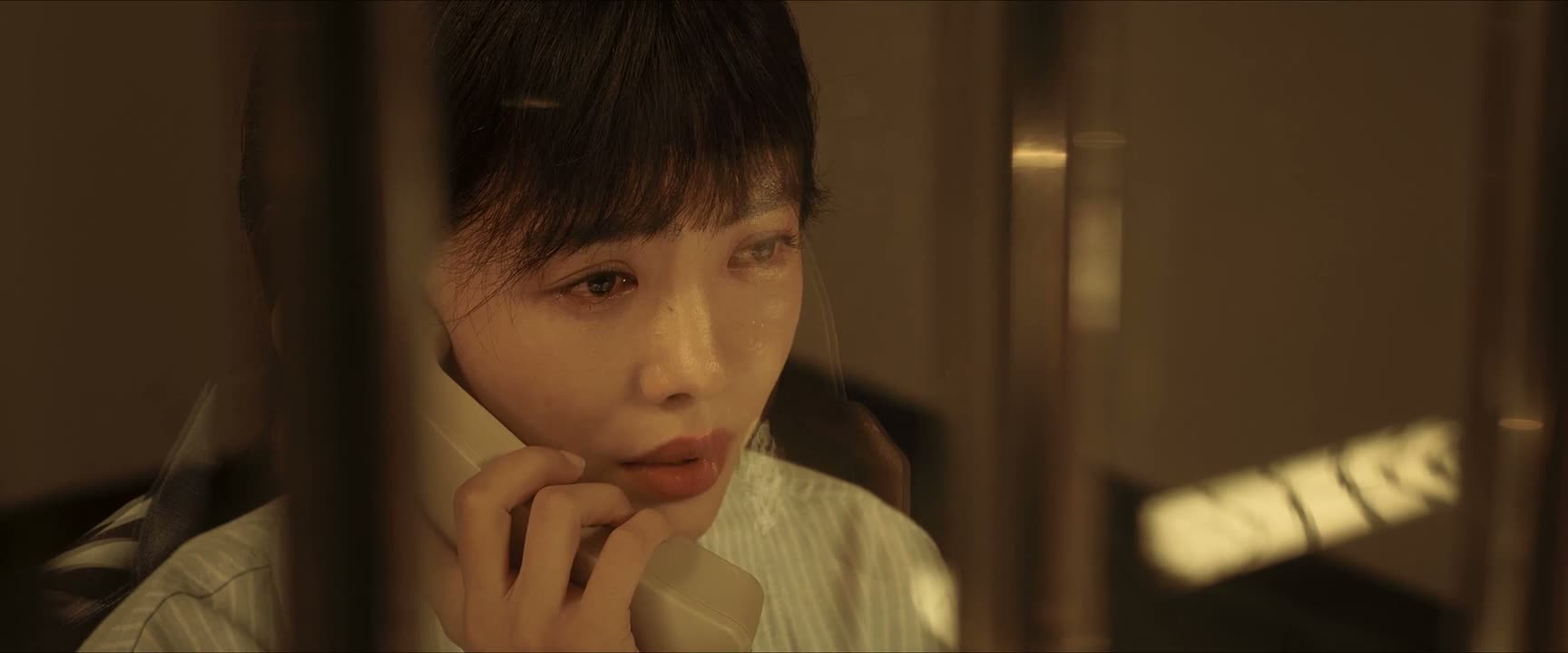
“How could I not know at all?”

“I don't know anything! Let's see…”

“I know nothing, Aunt.”

“There's no way you know nothing.”

“How can I pretend not to know?”

“I really don't know anything!”

“How could you not know what to talk about?”

“I don't know anything.”
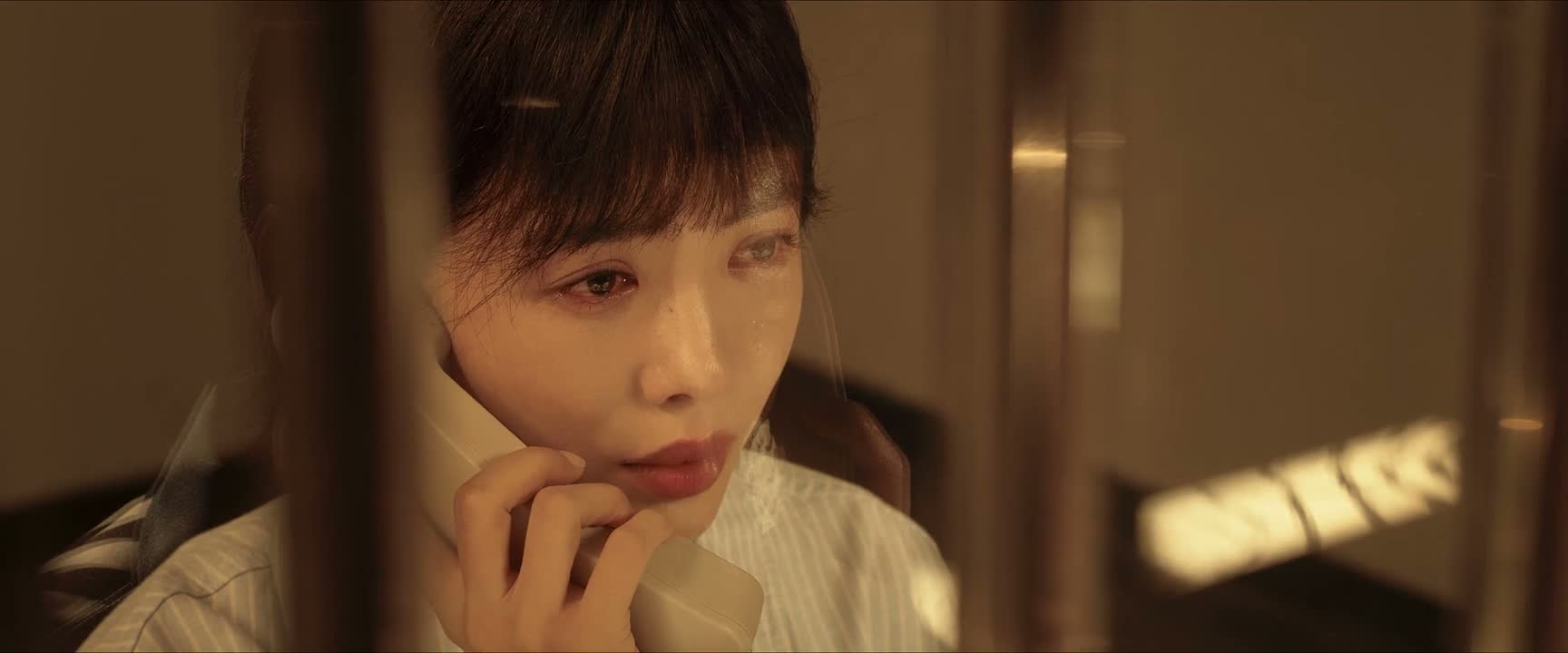
“How did I not notice at all?”

“He had no idea.”

“Is there anything else I don't know?”

“How could I know nothing about it?”