我真的什么都不知道了
“I really don't know anything else.”
THE DIALOGUE REEL
我什么都不知道了
“I don't know anything else.”
我 真的 什么都不知道 了
“I really don't know anything else.”
大人 民女想见田槐安一面 或许现在除了田本昌
“Your Excellency, I would like to see Tian Huai'an. Perhaps right now, besides Tian Benchang,”
Direct spoken expression in this communicative setting.
Commoners being questioned by imperial magistrates typically stress their complete ignorance and powerlessness to avoid punitive torture or false confessions.
LEARNING CHUNKS & PARTICLES
really / genuinely
Used before verbs or adjectives to add emphatic sincerity or defense.
to know absolutely nothing
An essential spoken structure ('什么都 + negative verb') used to state absolute negation.
Indicates a completed limit or a state reached where the speaker has exhausted all known information.
VOCABULARY & EXPRESSIONS
Parallel Spoken Cinema Scenes (语义近邻切片)

“I don't know anything anymore. I don't know anything now. Go ask Song Qingsong.”
“You don't know the situation at all!”
“You don't know anything, yet you're blaming me.”

“How could I not know anything?”

“Just pretend you know nothing.”
“What do you want? I don't even know anything.”

“And I had no idea.”

“I knew nothing. I was unprepared,”
“I know nothing at all.”
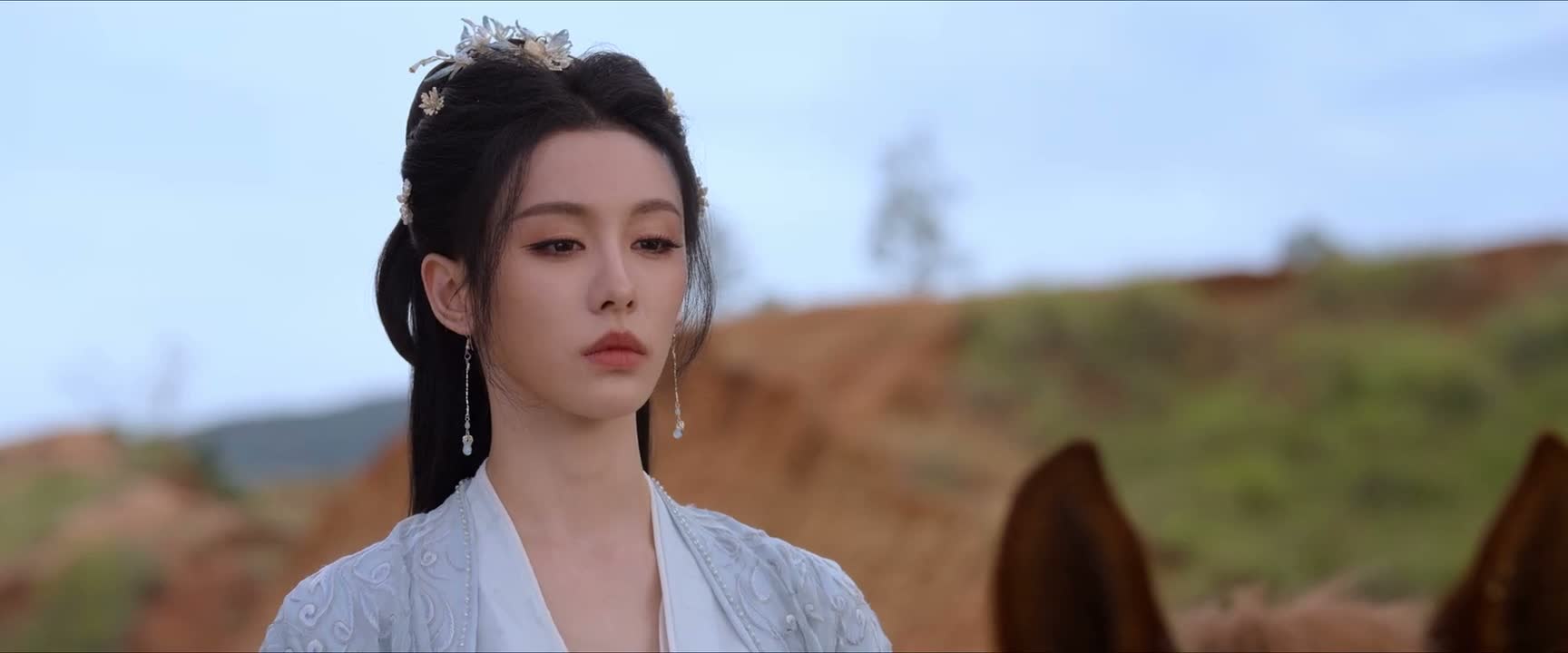
“I really don't know anything.”

“I know nothing. That person knocked me out.”
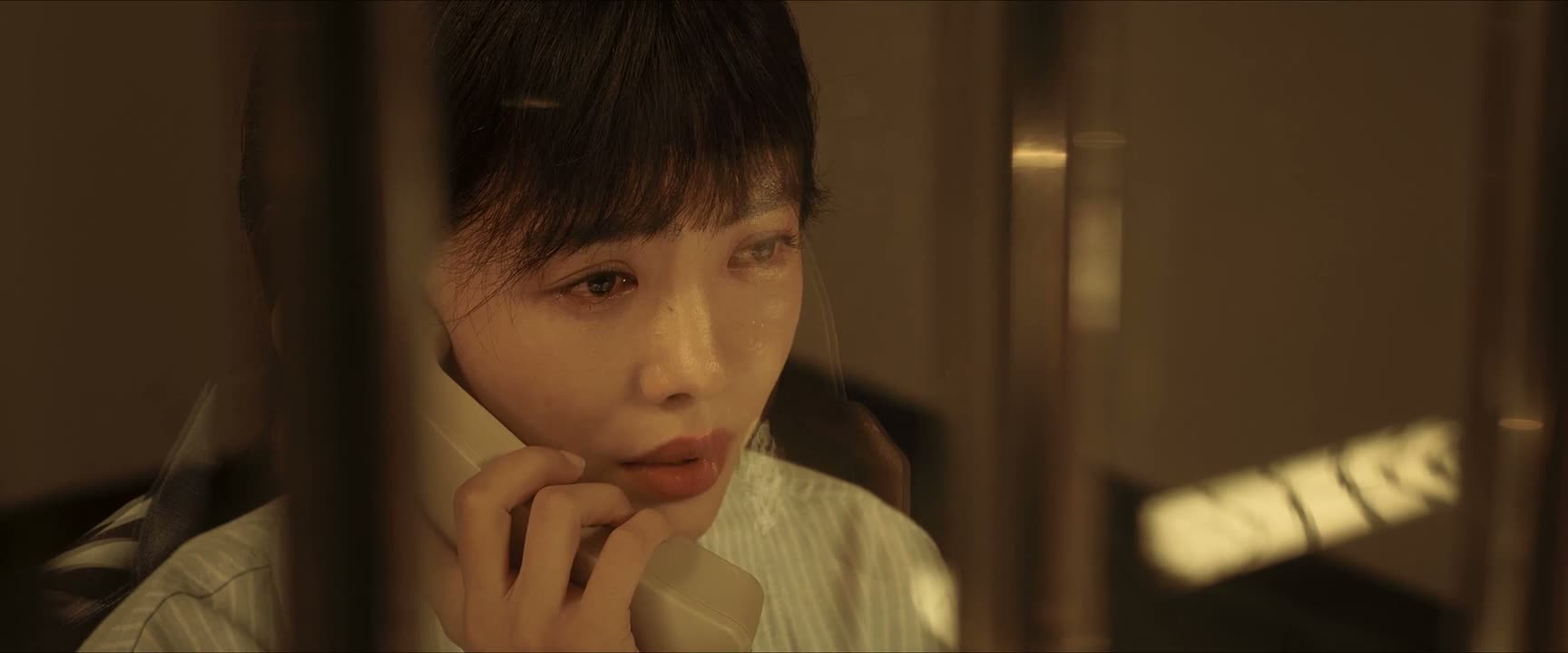
“How could I not know at all?”

“I don't know anything! Let's see…”
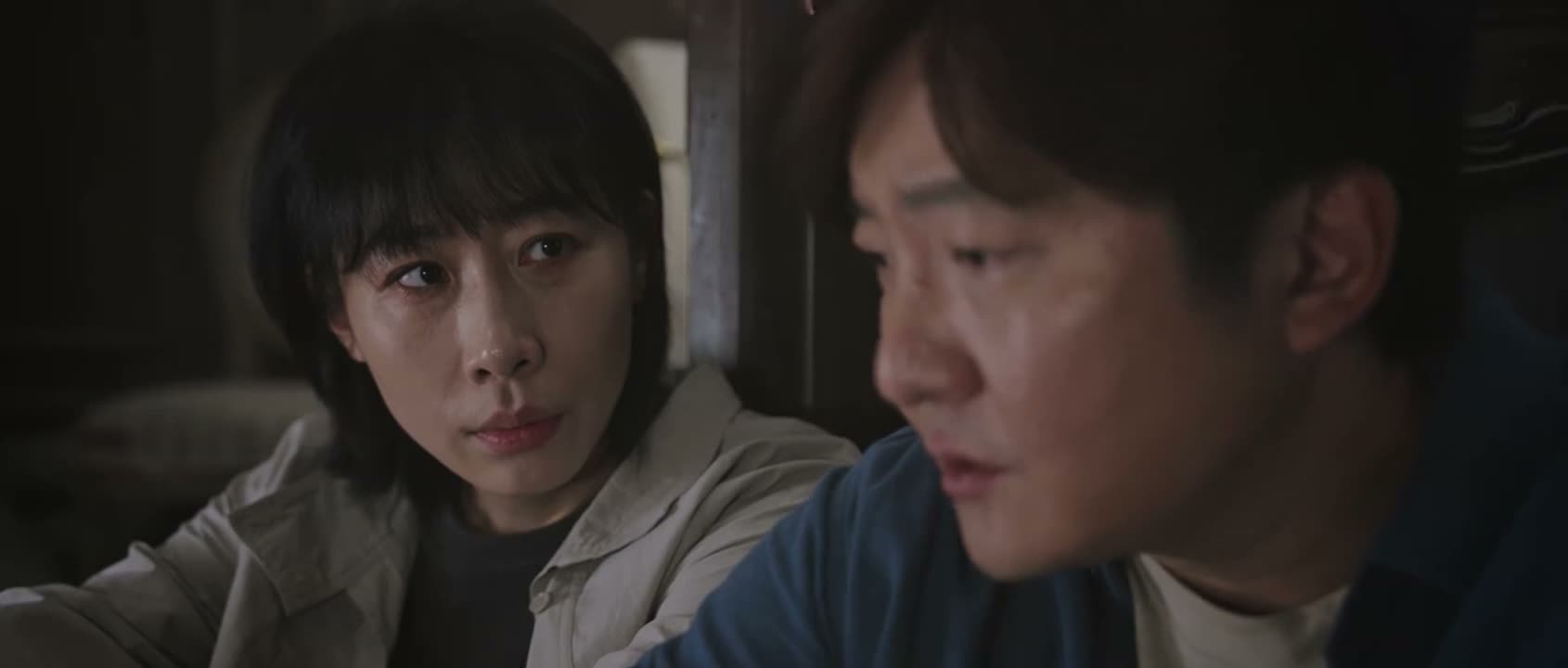
“just pretend you know nothing.”

“There's no way you know nothing.”

“I really don't know anything!”
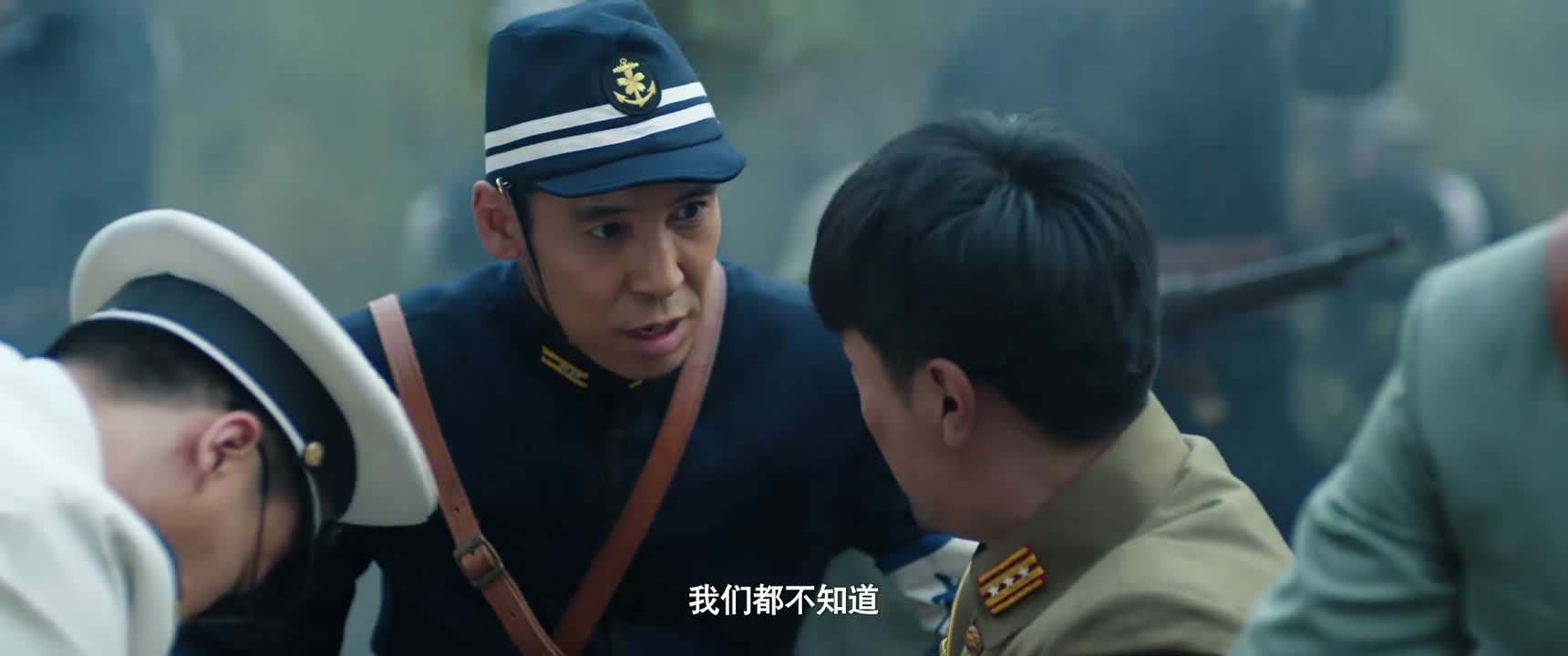
“We didn't know about it”

“I don't know anything.”
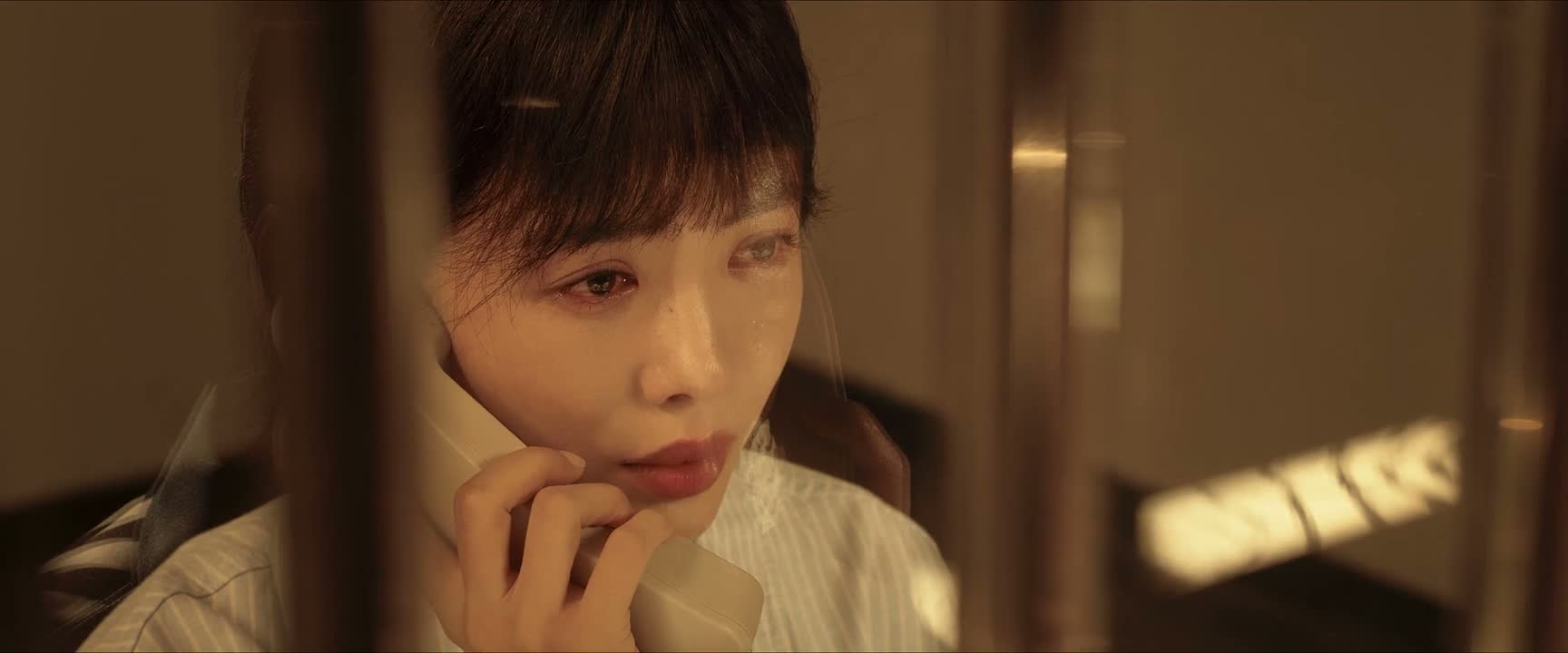
“How did I not notice at all?”

“He had no idea.”

“How could I know nothing about it?”
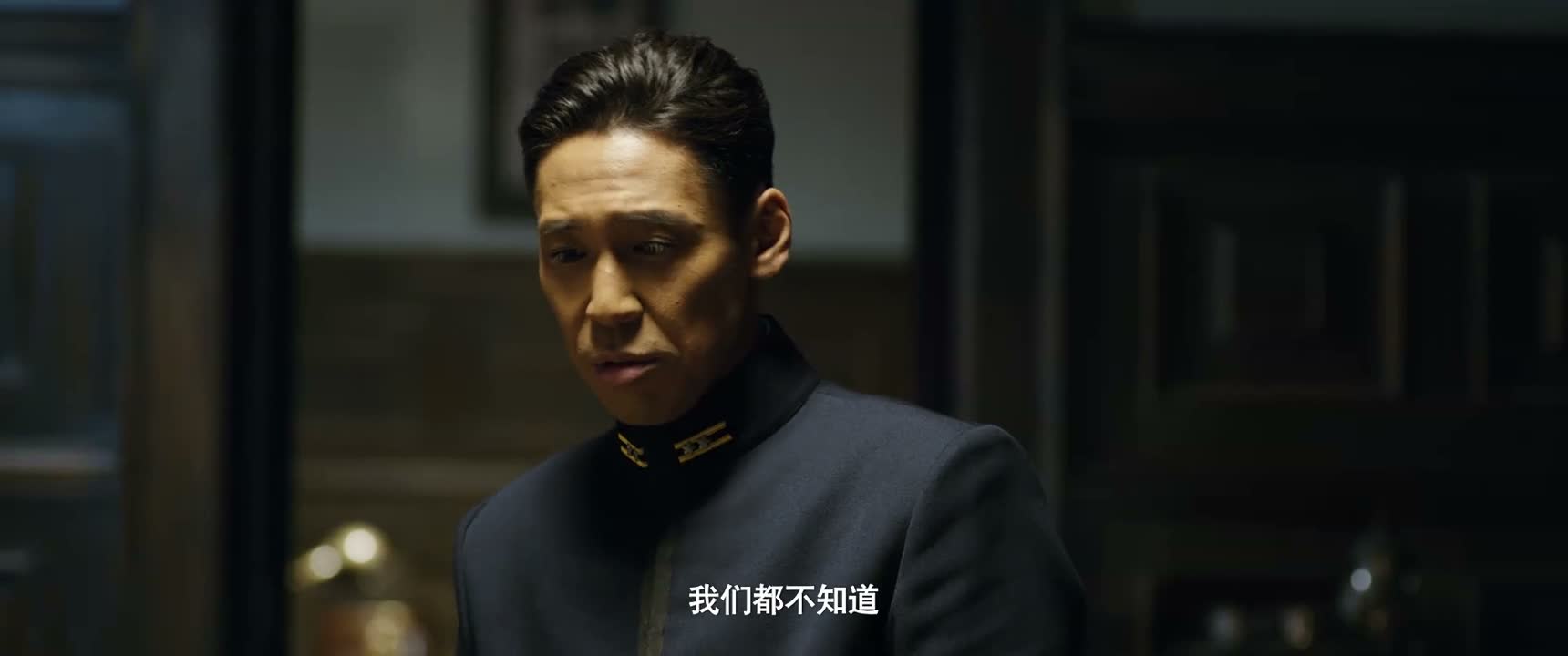
“We don't know.”